At a glance
A wildlife shelter for winter is any structure, material or garden feature that provides warmth, protection from the elements or a safe resting place for animals, insects and other garden wildlife through the cold months. The term covers a wide range, from a simple pile of logs in a corner to a purpose-built hedgehog house, a stack of brushwood or a bug hotel. What unites them all is the principle that garden tidiness in autumn and winter directly removes the habitats that wildlife depends on to survive.
The UK winter presents specific challenges for garden wildlife. Hedgehogs need a dry, insulated cavity to hibernate from around October to April. Many solitary bees and wasps overwinter as eggs or pupae inside hollow stems or in cavities in dead wood. Ground beetles and other beneficial insects shelter under bark and in leaf litter. Slow worms and frogs need frost-free refuges beneath boards or in compost heaps. Even common garden birds need dense shrubby cover to roost safely on cold nights. Providing these resources deliberately and in the right form transforms a tidy garden into one that supports wildlife through its most vulnerable period.
What a winter wildlife shelter is and why it matters
Most of what UK garden wildlife needs in winter already exists in an untidy garden, which is why the advice to leave areas of your garden alone through the colder months is the most consistently effective thing you can do. A pile of leaves left under a hedge, a section of border not cut back, a log left to rot quietly in a corner: each of these is a functional winter shelter. Where they do not exist naturally, building them deliberately produces the same result.
The range of species that depend on garden winter shelters is broader than most gardeners realise. Beyond hedgehogs and frogs, which get the most attention, winter shelters support solitary bees, lacewings, ladybirds, ground beetles, slow worms, wrens, treecreepers, stag beetles, many species of moth, and the larvae of hundreds of invertebrate species. A garden with a variety of shelter types supports a correspondingly wider range of wildlife.
Hedgehog shelter
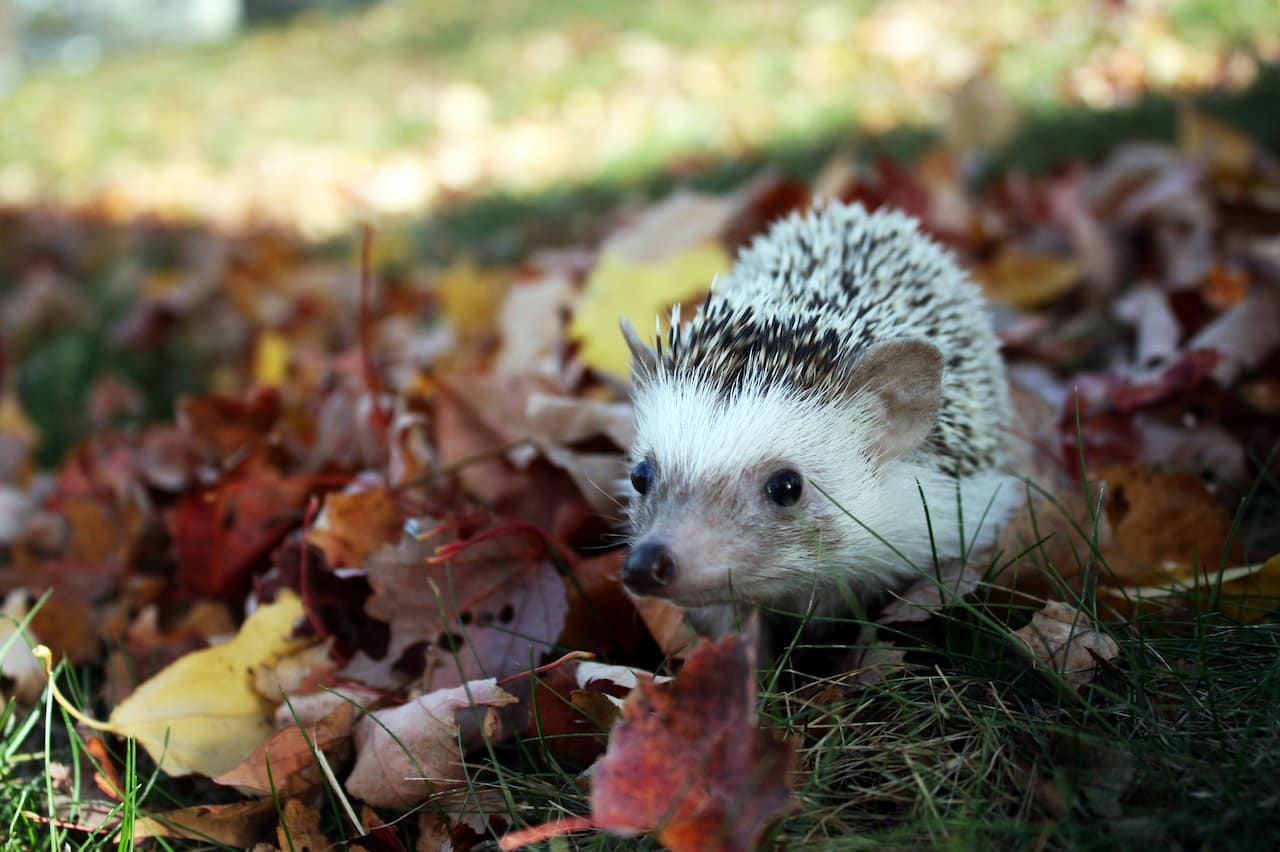
Hedgehogs are the most high-profile garden mammals in need of winter shelter. A significant proportion of hedgehog deaths occur during hibernation, when inadequate shelter allows the animal to get too cold, too warm on mild days, or too wet. A good hedgehog shelter needs to be dry, dark, insulated and predator-proof.
A purpose-built hedgehog house works well. The entrance tunnel should be no wider than 13 centimetres, which prevents foxes and badgers from getting inside. The house should be made from untreated wood. Place it in a sheltered corner away from direct sun and prevailing wind, ideally against a fence or wall. Cover it with a thick layer of dry leaves and then a sheet of polythene weighted down with earth or bark, leaving the entrance clear. This external insulation matters as much as the box itself. The interior bedding should be dry leaves, hay or straw. Do not use anything synthetic. Leave the house undisturbed from October onwards. If you find a hedgehog outside during the day between October and March, it is almost certainly underweight or unwell and needs help from a local rescue.
The table below compares the two main hedgehog shelter approaches so you can choose the right one for your garden.
A north-facing position is essential for hedgehog houses. A house in direct sun will warm up unpredictably on mild winter days, rousing a hibernating hedgehog repeatedly and burning through its fat reserves. A consistent cool temperature is what the animal needs.
Bug hotels and insect shelters
Solitary bees, lacewings, ladybirds, earwigs and many other beneficial insects need shelter to survive winter. Unlike honey bees they cannot generate heat as a colony, and they depend on finding cavities, tubes or crevices in which to overwinter as adults, pupae or eggs.
A bug hotel is a structure that provides multiple different cavity types in one place. The most effective designs use a combination of hollow bamboo tubes or reeds for solitary bees, pinecones and bark for ladybirds and earwigs, corrugated cardboard rolls for lacewings, and packed bundles of hollow or pithy stems for other species. The more variety of cavity size and material, the more species it will attract. The table below shows what each cavity type supports and the key placement rule for each.
The critical factor for all insect shelters is drainage and dryness. A bug hotel that gets waterlogged is useless and can harm occupants. The structure must have a roof that sheds water, and the materials inside must allow airflow so they dry out between wet spells. Position in a sunny spot facing south or south-east, which allows the shelter to warm up in late winter and early spring when solitary bees begin to emerge.
Frog and toad shelters
Frogs and toads are cold-blooded and need frost-free refuges to survive winter. They do not fully hibernate in the mammalian sense but enter a torpor in which they become largely immobile and must be sheltered from freezing temperatures.
Frogs often overwinter in the mud at the bottom of ponds, which is why it matters never to let a pond freeze completely. If your pond freezes over, place a pan of hot water on the ice to melt a hole rather than breaking it with force, which can harm any frogs beneath. Do not add chemicals or salt to prevent freezing. On land, frogs and toads use sheltered spots under flagstones, in compost heaps, beneath a pile of logs or under sheets of corrugated iron or old carpet left on the ground.
Each of the main land-based options has a different character and suits different garden situations. The priority table below shows which to install first.
Slow worm and reptile shelters
Slow worms and common lizards both benefit from shelters that warm up quickly in the sun. They bask to raise their body temperature before becoming active, and in winter they use similar warm shelters to remain slightly above freezing when not active.
A simple reptile refuge is a piece of roofing felt, old carpet or corrugated iron laid flat on bare ground in a sunny spot. The material absorbs heat from the sun and transfers it to any animal sheltering underneath. Slow worms are particularly attracted to these shelters, especially in areas with long grass, dense ground cover or compost heaps nearby. Check slowly and carefully before moving any such material in winter or early spring, as slow worms can be lying directly beneath it and are easily injured if the material is lifted quickly.
Bird roosting structures
Garden birds do not hibernate but they are vulnerable to cold on winter nights, when they must maintain their body temperature against temperatures that may drop well below freezing. A bird that enters the night with insufficient fat reserves or poor shelter may not survive to morning.
The table below shows the main roosting shelter types and what each one supports, so you can choose which combination makes most sense for your garden.
Log piles and deadwood habitats
A log pile is arguably the most valuable single wildlife feature you can add to a winter garden. Dead and decaying wood supports an extraordinary range of species including stag beetles, many species of beetle, fungi, mosses and lichens, as well as providing winter shelter for hedgehogs, slow worms, frogs and toads.
Position the pile in partial shade where it will stay reasonably moist. Bury the base logs slightly in the soil to begin the decay process and provide ground-level access. Use a variety of wood sizes if possible, from large thick logs to thin branches. Leave bark on the logs rather than stripping it, as the bark itself is habitat. Do not treat the wood with any preservative or paint. A log pile can be incorporated into a garden design as a deliberate feature rather than hidden, planted with shade-tolerant ferns, mosses or woodland perennials.
Leaf litter and loose material
Leaf litter is one of the most overlooked and most valuable winter habitats. A natural accumulation of dead leaves provides warmth, moisture retention and hunting ground for a vast range of invertebrates, as well as food for ground-feeding birds. Hedgehogs use leaf litter as nesting material and shelter.
Rather than removing all fallen leaves to a compost heap, leave some in less visible corners of the garden, under hedges, around the base of trees and along fence lines. A depth of 10 to 15 centimetres provides useful insulation. Leave it through winter and clear it in late spring if tidiness is a concern. A leaf pile made deliberately in a quiet corner, contained loosely by a low ring of chicken wire or garden canes, creates a dedicated winter habitat that is easy to leave undisturbed. This is particularly valuable for hedgehogs searching for nesting sites in autumn.
Common mistakes and problems
The table below sets out the most common problems with winter wildlife shelters and how to identify and fix each one.
The single most effective thing you can do is leave areas of your garden alone. A leaf pile under a hedge, hollow stems left standing and a log left to decay quietly in a corner all provide winter shelter for free. You do not need to buy anything or build anything to make a significant difference.
Share on socials: