At a glance
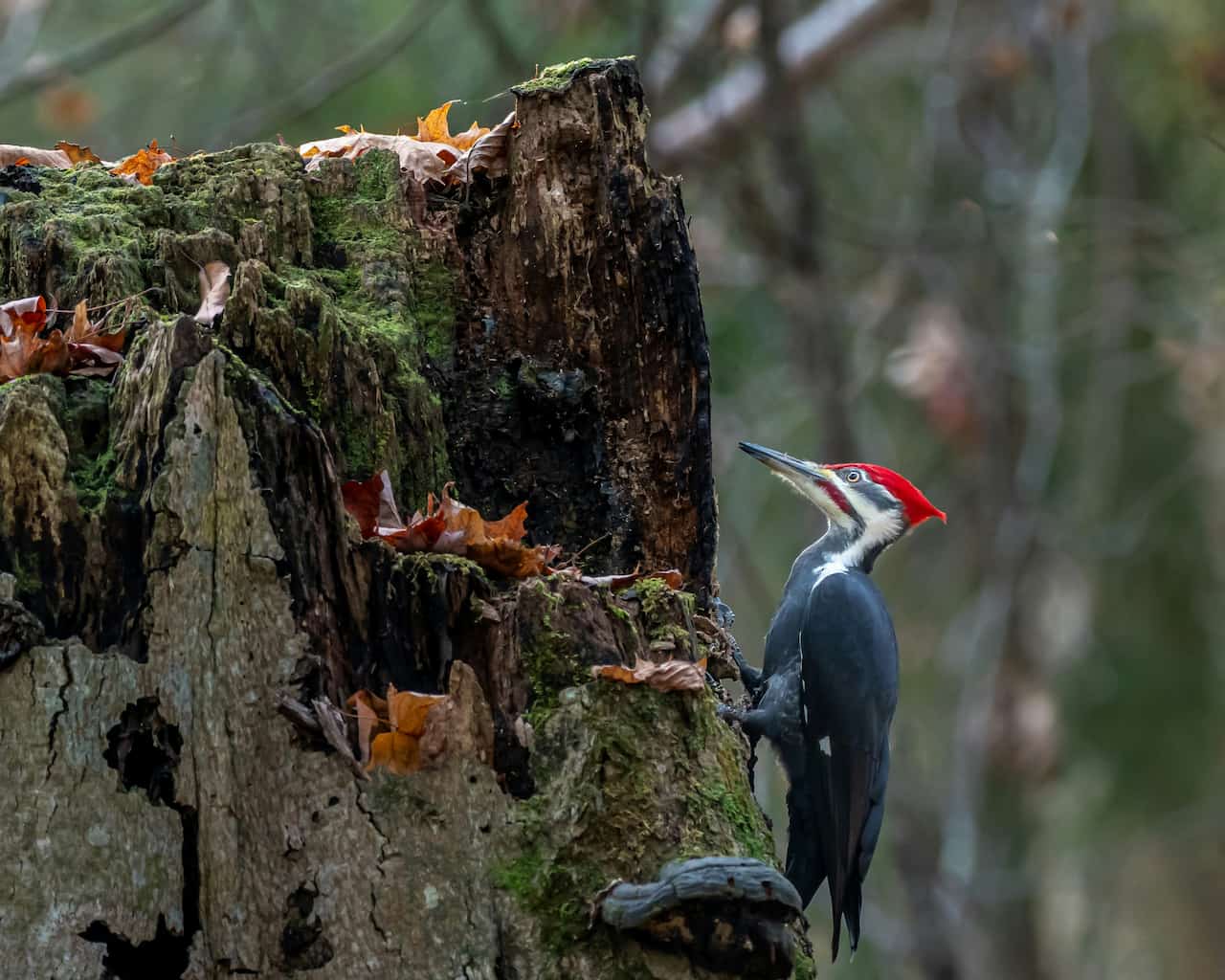
A woodpecker visiting the garden is one of those wildlife moments that stops whatever you are doing. The great spotted woodpecker – the most likely species to appear – is a striking bird: jet black and white with a brilliant red patch and the distinctive undulating flight that announces its arrival before you can see it. It is also increasingly common in UK gardens as the population has expanded over recent decades, and a garden with mature trees, a suet feeder and some deadwood habitat has a realistic chance of attracting regular visits.
Attracting woodpeckers requires thinking a little differently from the standard garden bird approach. Woodpeckers are not primarily feeder birds – they are foragers of insect-rich dead and decaying wood, and a garden that provides that habitat will attract them more reliably than any feeder alone. That said, suet and fat-based foods draw great spotted woodpeckers to feeders with some regularity, particularly through winter when natural food is scarcer. Understanding what each species needs and which is realistically likely to visit your garden is the starting point for making the right habitat improvements.
UK woodpecker species
Britain has three resident woodpecker species, but their likelihood of visiting the garden varies enormously. The great spotted woodpecker is by far the most common and the most likely garden visitor – it is found across most of mainland Britain wherever there are trees of any kind and has adapted well to suburban and urban environments. Its population has increased significantly over the past 50 years and it now reaches into gardens and parks that would rarely have seen it in previous decades. The green woodpecker is a ground-feeding species that visits gardens primarily to raid ant colonies in lawns, and is more commonly heard than seen. The lesser spotted woodpecker is the smallest and rarest of the three, is on the Red List of birds of conservation concern, and is now largely restricted to woodland edges and mature orchards.
Food and feeders
The great spotted woodpecker is the most reliable feeder visitor of the three UK species and will come to a well-positioned suet feeder repeatedly through autumn and winter. Its preferred foods at the feeder are fat balls, suet blocks and unsalted peanuts in a wire mesh feeder. Unlike many smaller birds, great spotted woodpeckers are strong enough to cling to almost any feeder type and will often dominate feeders when present, which can temporarily displace smaller birds. A dedicated woodpecker feeder – a log with drilled holes packed with suet or peanut butter – is the most natural presentation and is particularly effective mounted directly on a tree trunk at a height of 1.5-2 metres. Positioning the feeder on or against a tree rather than a freestanding pole also gives the woodpecker the bark surface it can grip comfortably with its strong claws while feeding.
The green woodpecker very rarely comes to a conventional bird feeder. Its diet is almost entirely composed of ants – it has an exceptionally long, sticky tongue adapted for probing ant colonies in the ground – and it visits gardens specifically to raid lawns and rough grassy areas where ant nests are present. A garden with a pesticide-free lawn, ideally with some areas left a little rough and unmanaged, is far more attractive to green woodpeckers than any feeder. The yaffle – the distinctive laughing call of the green woodpecker – is often the first sign of its presence in a garden.
Trees and habitat
Woodpeckers are fundamentally dependent on trees – not just for nesting but for foraging, drumming, territorial display and shelter. A garden without trees will rarely attract woodpeckers beyond a passing visit. A garden adjacent to woodland, a park, a cemetery or a tree-lined road has a far greater chance of attracting regular woodpecker visits than an isolated suburban plot, because woodpeckers range widely and require tree cover to move between areas. If trees are present in or near the garden, the most important habitat improvement is increasing the amount of dead and decaying wood available. Deadwood is not a sign of a neglected garden – it is some of the most ecologically productive material in any garden environment, supporting a community of invertebrates that in turn supports woodpeckers, other insectivorous birds and a range of other garden wildlife.
A log pile made from hardwood logs – oak, ash, beech or birch – provides the slowly decaying woody substrate that supports the beetle larvae and wood-boring insects that great spotted woodpeckers excavate. The pile is most valuable when it includes logs of varying sizes placed directly on bare soil in a shaded, undisturbed spot. A garden that also supports bats and other insectivorous wildlife is producing the diversity of invertebrate habitat that benefits multiple species simultaneously.
Common problems and concerns
The most common concern among gardeners who attract woodpeckers is drumming damage to wooden structures. Great spotted woodpeckers drum on resonant surfaces – hollow trees, wooden fence posts, the fascia boards of houses and occasionally wooden nest boxes – as a territorial signal. This drumming is not the same as feeding excavation and does not indicate the bird is trying to eat the structure. It is most intense from January to April during territory establishment and then largely stops. The sound carries a considerable distance and is very different in character from the excavation sounds made when a woodpecker is actually digging for food or creating a nest cavity. Where drumming is causing damage to a specific structure a metal plate or mesh over the affected area removes the resonant surface and usually ends the behaviour quickly without harming the bird.
Seasonal behaviour
Woodpecker activity in the garden changes markedly through the year. Understanding the seasonal pattern helps anticipate when visits are most likely and when to focus habitat and feeder management.
Woodpeckers are a good indicator of overall garden wildlife health – their presence reliably signals a garden with sufficient tree cover, invertebrate richness and habitat diversity to support a demanding forager. A garden that attracts regular woodpecker visits will almost certainly also be supporting robins, frogs and many other species that depend on the same invertebrate-rich habitat. The habitat improvements that matter most for woodpeckers – dead wood, native trees, pesticide-free lawn management – create broader ecological benefits that extend well beyond any single species.
Share on socials: