At a glance
Taking on a first allotment is genuinely exciting, but the sheer range of things you could grow can make it difficult to know where to start. The temptation on a new plot is to grow everything at once – a bit of everything from the seed catalogue, filling every bed with ambitious plans. The reality is that a first allotment is also a year of learning how your specific plot behaves, how much time you actually have available, and which crops suit your conditions. Starting with crops that are forgiving, productive and genuinely satisfying to harvest sets you up for a successful second year with real experience behind you rather than a demoralising first season that puts you off returning.
The crops recommended here are chosen for reliability, productivity and the satisfaction of a good harvest on a first attempt. They are not the most exotic or impressive options – they are the ones that will actually feed you well and keep you motivated through the season. A beginner who harvests a box full of courgettes, French beans and salad leaves every week from June to October leaves year one with confidence and practical knowledge. One who spent the same season wrestling with celery and parsnips on ground that was not ready for them often does not return for year two.
The Right Approach for Year One
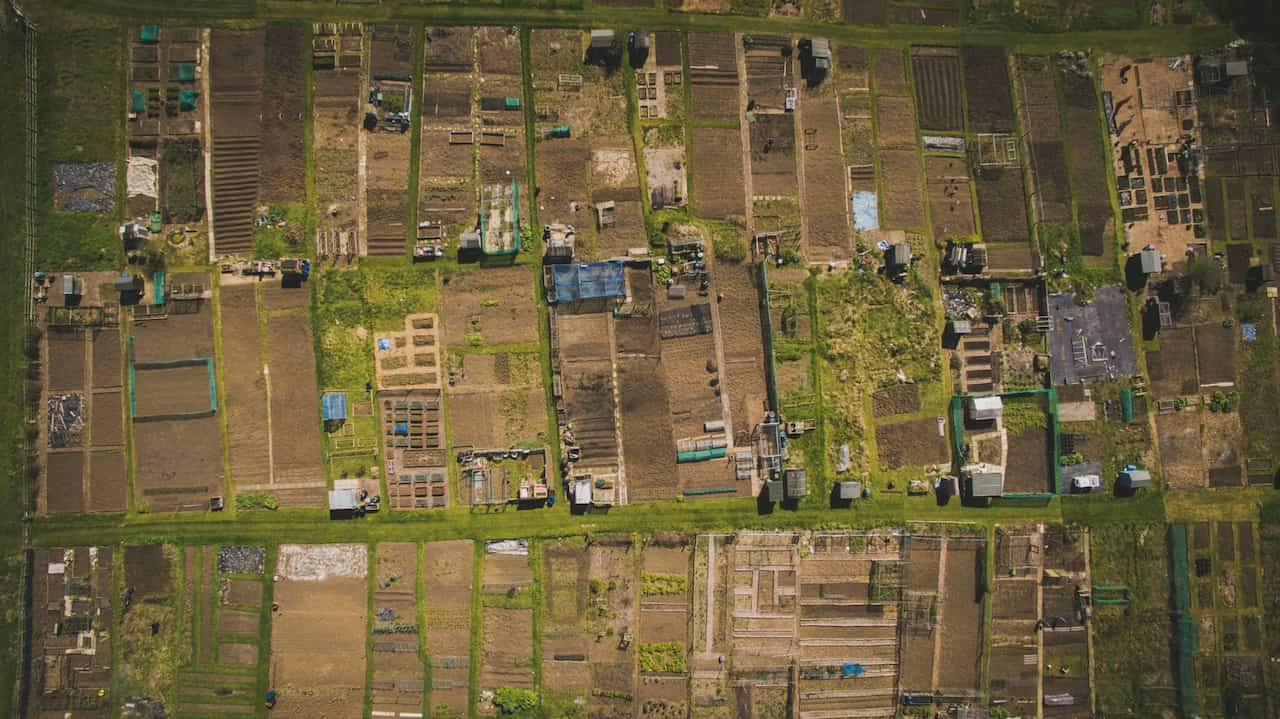
The most important principle for a first allotment is not to overcommit. A standard allotment plot is 250 square metres – a significant area to maintain, particularly if the plot was neglected when you took it on. Planting the whole area in year one is a recipe for overwhelm, as weeds colonise faster than crops can be established on new or cleared ground. The energy required to keep on top of weeds across a full neglected plot while also managing crops, watering and general site maintenance is genuinely more than most working people can sustain through a season.
A better approach is to cultivate half the plot well in year one and suppress the other half. Cover the uncultivated section with cardboard and woodchip or black polythene to suppress weeds while you focus energy on the growing section. Expand to the full plot in year two once you understand the work involved and have the infrastructure – compost bays, paths, water access – properly established. A small, well-managed half-plot produces more food and more satisfaction than a large area that is perpetually losing ground to weeds.
Best Vegetables for a First Allotment
Courgettes deserve special mention for beginners because they are genuinely almost impossible to fail with in a UK summer. Sow two seeds indoors in late April, plant out after the last frost in late May and stand back – a single plant will produce more courgettes than most families can eat from June to October. The key is to harvest regularly when small (15-20cm) rather than letting them grow into giant marrows, which stimulates continued production throughout the season.
Potatoes are particularly useful on a first allotment because their leafy growth shades out weeds effectively while they grow, reducing the weeding burden on newly cleared ground. They are also deeply satisfying to harvest – the process of digging up a plant and finding a crop of tubers keeps new allotment holders motivated when other parts of the plot feel overwhelming. First early varieties like Rocket or Swift are the fastest from planting to harvest (10-12 weeks) and suffer less from blight than maincrop varieties, making them ideal for beginners who want results quickly.
Soft Fruit Worth Planting in Year One
Soft fruit is worth establishing in year one even though it takes longer to come into full production than annual vegetables. The logic is that every year you delay planting permanent soft fruit is a year of harvest lost – a blackcurrant bush planted in year one will be producing well by year three, whereas one planted in year three delays that productive phase by two years. Permanent plants also fill space that would otherwise require active maintenance, suppressing weeds in their established areas and reducing the overall workload once they are settled.
Strawberries are the most beginner-friendly soft fruit – plant bare-root runners in autumn or container plants in spring, water well and you will have fruit in the first summer. They are also enormously popular with anyone who visits the allotment, particularly children. A row of twenty plants takes up about two square metres and provides enough strawberries to eat fresh and freeze for smoothies through the year. Blackberries are worth planting in year one along the boundary fence – they establish slowly but reward early planting in subsequent years and require virtually no attention once established.
Herbs for the Allotment
A small herb area on the allotment is genuinely useful and requires almost no ongoing maintenance once established. Perennial herbs – mint (grown in a sunken pot to prevent spreading), chives, thyme, sage and rosemary – establish once and produce for years. Mint alongside the plot boundary is particularly valuable as its strong scent deters aphids, carrot fly and other pests when planted near vulnerable crops. Chives around a bed of carrots is a traditional companion planting approach that reduces carrot fly damage significantly – and the chive flowers are also attractive to beneficial insects through the summer.
Grow mint in a buried pot to stop it taking over. Mint spreads aggressively through underground runners and will colonise surrounding beds if planted directly into the ground. Sink a large pot or bucket with the bottom removed into the soil and plant the mint inside it. The container walls contain the runners while the plant appears to be growing freely in the ground. This is the only reliable way to have mint on an allotment without it becoming a weed problem within two seasons.
Crops to Avoid in Your First Year
Planning Your First Season
A simple first-year plan that works well for most UK allotments divides the cultivated half of the plot into four working sections and one permanent area. The logic of this layout is that each section earns its keep through high yields or ground improvement, while the permanent soft fruit area starts building long-term productive capacity from day one.
Keep records as you go through the season – noting what worked, what failed, where different crops performed best on your specific plot and how much time different tasks actually took. Those notes are the most valuable resource you can bring into year two, more useful than any seed catalogue or growing guide. The allotment teaches you the most when you are paying attention to what it is telling you, and written records make those lessons stick across the winter gap between seasons.
Do not try to grow everything in year one. The single most common reason new allotment holders give up is overcommitting in the first season – too many crops, too much ground, too little time to manage it all. A plot that becomes unmanageable in July, when summer weeds grow fastest, causes genuine distress and often results in the tenancy being given up. Grow five crops well rather than fifteen crops poorly. The plot will still be there in year two.
Share on socials: