At a glance
Fennel is one of those vegetables that UK gardeners often attempt once, are frustrated by the bolting that turns the bulb into a tough flower-bearing stalk before it develops properly, and then abandon as too difficult. That is a shame, because fennel grown correctly – with the right timing and bolt-resistant varieties – is one of the most distinctive and rewarding vegetables in a UK kitchen garden. The anise-flavoured bulb, the feathery fronds and the seeds are all useful in the kitchen, and the tall architectural form of herb fennel makes it an attractive addition to any border.
The key to success with fennel in the UK is understanding that the two types – bulb fennel (Florence fennel) and herb fennel – have completely different growing requirements and uses, and that bolting risk in bulb fennel is managed primarily through sowing timing and variety selection. This is the same approach as other slow-bolt crops like coriander – later sowing rather than fighting the long-day conditions of early spring that trigger premature flowering. Get timing and variety right and fennel is genuinely straightforward.
Two Types of Fennel – Know the Difference
Most difficulty with fennel in the UK relates specifically to bulb (Florence) fennel. Herb fennel is genuinely easy – plant it once in a sunny spot, leave it to grow and return each year, and harvest the feathery fronds and yellow flower heads as needed throughout the season. The rest of this guide focuses primarily on bulb fennel, where timing and technique make the difference between success and a plot full of bolted plants.
Sowing Fennel in the UK
The most important rule for bulb fennel in the UK is to avoid sowing before May. Early sowings in March and April, even indoors, expose the plant to the long days that trigger bolting before the bulb has a chance to develop. Fennel bolts when it experiences long days followed by warming temperatures – exactly the conditions of a UK spring. The solution is to delay sowing until late May or June, when the longest days are already past or approaching their peak, so the plant spends its bulb-development phase in shortening rather than lengthening days.
Choose bolt-resistant varieties for UK conditions. Varieties developed specifically for resistance to premature bolting – such as Zefa Fino, Romanesco and Amigo – perform significantly better than unimproved varieties. Even with late sowing, a bolt-resistant variety extends the window during which the plant will produce a good bulb rather than running to flower. The variety choice and the timing together give the best results – either alone is less effective than both combined.
Position and Soil
Fennel needs full sun – a minimum of six hours of direct sun per day. A sheltered south or west-facing position produces the best bulbs. Soil should be fertile, moisture-retentive and free-draining. Fennel does not do well in waterlogged or very light sandy soil – both extremes cause problems, the former with root rot and the latter with inconsistent moisture that stresses the plant and triggers bolting. A well-structured, compost-enriched bed that holds moisture without becoming waterlogged is the ideal growing medium.
One important caveat about positioning: herb fennel is allelopathic – it releases chemicals from its roots and leaf litter that inhibit the growth of many neighbouring plants, particularly tomatoes, peppers, beans and some herbs. Keep herb fennel away from the vegetable garden in its own dedicated bed or at the garden boundary. Bulb fennel grown as an annual is less problematic as it does not persist in the ground long enough to build up significant allelopathic compounds, but it is still best kept away from direct vegetable neighbours and grown in its own section of the plot.
Care and Watering
Consistent moisture is the most critical care factor for bulb fennel. Irregular watering – wet then dry then wet – stresses the plant and significantly increases the risk of bolting. Keep the soil evenly moist throughout the growing period, watering before the soil dries out rather than waiting until the plant shows stress. Mulching around the plants with compost or straw helps maintain moisture levels between waterings and reduces the temperature fluctuations that also trigger bolting. A plant that experiences consistent moisture, consistent temperature and undisturbed roots is far less likely to bolt than one subjected to any of these stresses. In a dry UK summer, this means watering every two to three days in hot weather rather than relying on rainfall.
Earthing up is the traditional technique for encouraging bulb development and blanching. When the bulb starts to swell at the base – typically around the size of a golf ball – draw soil up around the base of the plant to cover the developing bulb. Repeat as the bulb grows larger. Blanching whitens the bulb and reduces bitterness, though many modern bolt-resistant varieties produce sweet, pale bulbs without blanching. Apply a liquid feed of balanced fertiliser every two weeks from the point the bulb starts to develop visibly.
Harvesting Fennel Bulbs and Fronds
Harvest bulb fennel when the bulb reaches 7-10cm across – roughly the size of a tennis ball. Cut the plant at soil level with a sharp knife, not pulled, to avoid disturbing neighbouring plants. Do not leave bulbs in the ground too long once they reach maturity – overripe bulbs become pithy and tough, and mature plants in warm weather are more likely to bolt if not cut promptly. After cutting the bulb, leave the stump in the ground and water it – it will often produce small fennel fronds from the cut surface that can be used as an herb over the following weeks, extending the usefulness of each plant beyond its primary harvest.
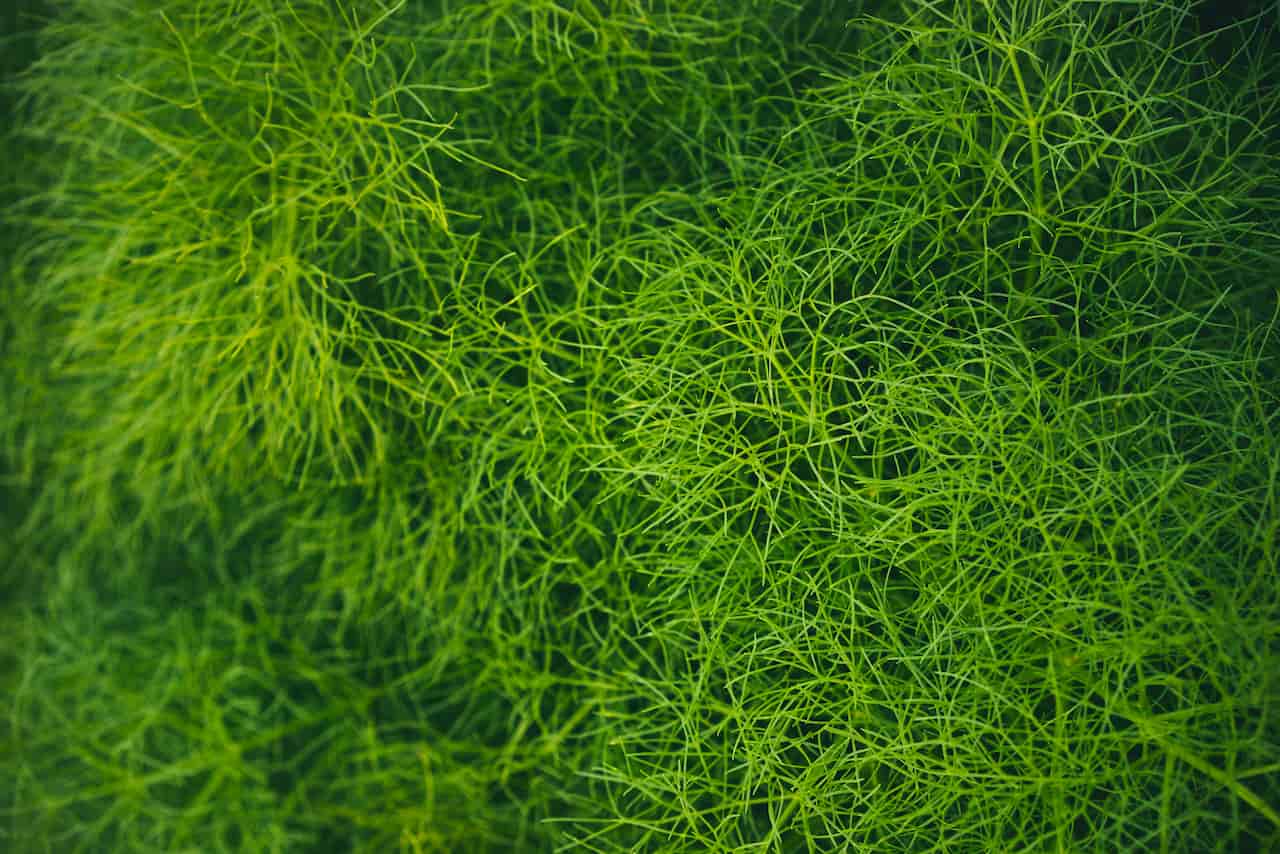
The feathery fronds can be harvested throughout the growing season for use as a herb – they have the same anise flavour as the bulb in a more delicate form. Snip fronds as needed from the outer growth of the plant, avoiding taking too much from any single plant at once. Fresh fennel fronds are excellent with fish, in salads and as a garnish where their feathery appearance adds visual interest alongside their flavour.
Understanding and Avoiding Bolting
Bolting in bulb fennel is triggered by a combination of long days, temperature stress and any kind of root disturbance. When a fennel plant bolts, it sends up a tall flower stalk, the bulb ceases to develop and the leaves become increasingly coarse and tough. The resulting plant is not entirely useless – the flowers attract beneficial insects and the seeds that follow are excellent for cooking and for next season’s sowings – but it does not produce the swollen bulb that was the objective.
Once a plant begins to bolt, there is no fully effective recovery. Pinching out the flower stem early can buy another week or two of bulb development but does not prevent bolting entirely. Prevention through timing, variety choice and consistent care is the only effective strategy. A bolted plant is best removed – the space and water are better used on a fresh direct sowing if the date permits.
Common Problems
The yellow flower heads of both bulb and herb fennel are highly attractive to hoverflies, parasitic wasps and other beneficial insects when allowed to flower. Even if bulb fennel bolts and fails to produce a usable bulb, allowing it to flower before composting provides a valuable wildlife resource. This approach – treating a bolted plant as an insectary plant rather than a failure – is worth keeping in mind for all umbellifers that sometimes run to flower unexpectedly in a UK summer.
Share on socials: