At a glance
An allotment gives you more productive growing space than most UK gardens, a community of experienced growers to learn alongside and a dedicated space for food growing that is completely separate from the demands of the house and lawn. It also gives you, in year one, a level of overwhelm that catches almost every new plot holder by surprise. The amount of physical work required to get a neglected plot into productive condition is substantial. The range of decisions required in the first growing season is wider than most people expect. And the gap between what you imagined growing and what you actually manage to harvest in year one can be genuinely disheartening if your expectations were not set correctly from the outset.
The most valuable piece of advice for any new allotment holder is this: start significantly smaller than feels right, focus year one on infrastructure and weed management rather than maximising production, and measure success by the state of the plot in December rather than by the size of the harvest in August. The productive, high-yielding years come in years two and three. Year one is about creating the conditions for them. Every experienced allotment holder who reflects honestly on their first season will say the same thing – they tried to do too much, grew too wide a range of crops, and underestimated how much time weed management would take across a full season.
Getting on the Waiting List
Demand for allotment plots significantly exceeds supply across most UK towns and cities. Waiting times of two to five years are common across the country, with some urban areas – particularly London boroughs and other major cities – reporting waits of a decade or more. The time to apply is now, regardless of whether you feel ready or have a clear picture of what you want to grow. Your circumstances, skill level and available time will all be different by the time a plot actually becomes available, and none of that matters as much as being near the front of a list when one does become free.
Apply through your local council’s allotments service. Most councils have an online application form or contact details for the allotments team on their website. Also apply to any allotment associations in your area that manage their own plots independently of the council – these sometimes have shorter waiting lists and can offer plots on sites that are better maintained than council-managed sites. Apply to every relevant site you can find – waiting times vary significantly between sites even within the same town, and holding multiple positions on different lists is entirely acceptable.
Ask specifically for a half plot if one is offered. A standard allotment plot is 10 poles – approximately 250 square metres. Most councils will let new tenants take a half plot on request. Take the half. A well-managed half plot produces substantially more food than a full plot managed poorly, and the difference in weekly time commitment is significant. You can always extend to a full plot once the half is genuinely under control – usually after two or three seasons. The single most common reason new allotment holders give up in the first year is taking a full plot and being overwhelmed by it.
Taking on Your First Plot
When a plot becomes available it is rarely in anything approaching good condition. Most plots that come free have been partially neglected by the previous tenant – weedy, with broken or missing infrastructure, and requiring significant work before productive growing is possible. This is entirely normal and not a reason to decline the offer. It is the standard starting condition for most new allotment holders, and the councils and associations that manage sites know this.
What to Do First
The temptation on taking over a new plot is to start digging immediately. Resist it. Walking the entire plot, taking stock of what is there, identifying the weed species you are dealing with, and making a plan before touching anything almost always results in better outcomes than beginning impulsively. The work done in the first week sets the direction for the whole first season.
Year One – Realistic Expectations
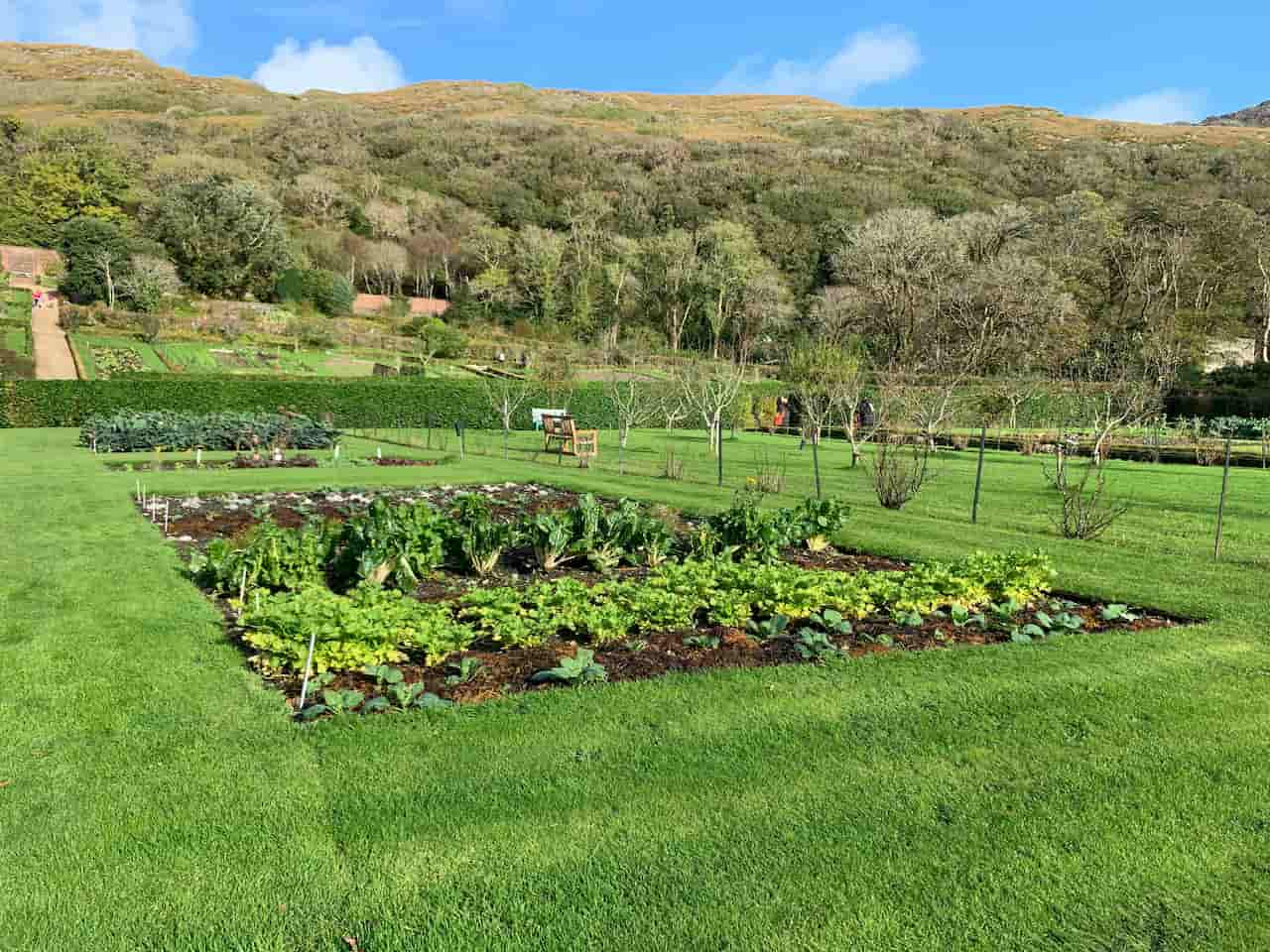
Year one on a newly taken allotment is about getting the plot into a manageable state – not about maximising production. Accept this from the very start and the year feels like genuine progress. Resist it and every week that passes without a full harvest table feels like failure. A genuinely successful year one outcome: by December, have a third of the plot in productive condition with a working compost system established and the worst perennial weed areas identified and under active management. That is a very good year one.
Crops that work well on newly cleared allotment ground – forgiving, productive and not demanding refined soil: potatoes (the traditional first-year allotment crop whose foliage suppresses weeds and whose earthing up improves soil structure), courgettes and squash (productive with minimal effort in imperfect soil), salad leaves (fast, rewarding and suitable for small cleared areas from the start) and broad beans (sown in autumn for spring harvest, nitrogen-fixing and robust in difficult conditions).
Every new allotment holder overestimates what they can grow in year one. Give yourself permission to do less than you planned. The plot will still be there in spring. Measure your year one success by infrastructure built and weed management progress – not by harvest volume. The harvests come in years two and three when the groundwork is done.
The Mistakes That Cause People to Give Up
Never rotovate ground with established couch grass, bindweed or horsetail. These perennial weeds regenerate from root fragments – a rotovator chops their roots into dozens of pieces each capable of producing a new plant, rapidly spreading the problem across the entire cultivated area. Remove perennial weeds by patient hand-forking, or suppress with weed-proof membrane for a full season before cultivating. It takes longer but produces permanent rather than temporary results.
Making the Most of the Allotment Community
Most allotment sites have holders who have been working their plots for years or decades. These neighbours are among the most valuable resources available to any new plot holder. They know the specific soil conditions on that site, the local pest pressures, which varieties actually perform and which have been tried and found wanting over many seasons. They know the unwritten social rules of the site that appear in no tenancy agreement. Introduce yourself early in the season. Ask questions freely – almost every allotment holder remembers their own first year clearly and is genuinely happy to help. Accept offers of surplus plants, propagated divisions or seed with genuine gratitude and reciprocate when you have abundance of your own, which will come in year two and three.
The informal knowledge exchange that happens across neighbouring plots on any active allotment site is worth far more to a new grower than any book or guide.
Share on socials: