At a glance
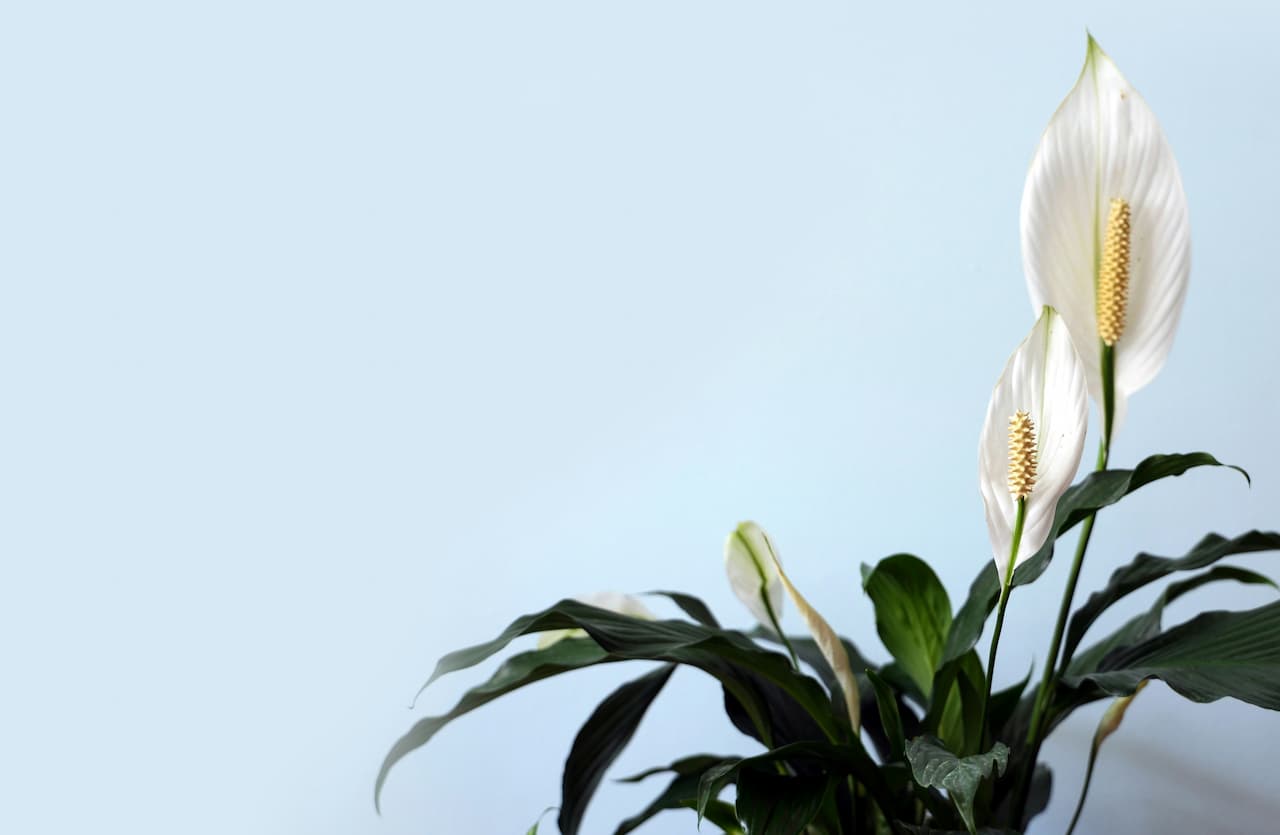
The peace lily – Spathiphyllum – earns its place in UK homes through a combination of qualities that very few indoor plants can match simultaneously. It tolerates the low light of north-facing rooms where most other houseplants fail completely. It produces elegant white flowers with minimal encouragement. It communicates its needs clearly, drooping dramatically when thirsty then recovering to full upright health within a couple of hours of watering. And it is almost indestructible in the hands of an attentive owner – specimens over twenty years old are not unusual. These qualities explain why the peace lily has been the bestselling houseplant in the UK for decades without interruption.
The one thing the peace lily will not forgive is cold. British homes in winter regularly drop below the 15C that marks the lower end of this plant’s comfort zone, particularly in rooms that are not heated overnight – conservatories, hallways, spare bedrooms. A peace lily placed in a position that gets genuinely cold in winter will stop growing, turn progressively yellow and eventually fail, no matter how carefully it is watered and fed. Position is the first decision and the most consequential one. Get that right and everything else follows naturally.
Light, temperature and position
Peace lilies are native to tropical forest floors, which tells you everything about their preferences: filtered light under a canopy, consistent warmth, high humidity and no direct sun. In UK homes this translates to a position away from south-facing windows – bright indirect light from an east or west-facing window is ideal, and they will manage in the relatively low light of a north-facing room where direct sun never reaches. The one position to avoid absolutely is a south-facing windowsill in summer, where direct sun will scorch the leaves within days, turning them yellow-white and papery in a way that is permanent and irreversible for those leaves.
Temperature consistency matters more than the specific number. Peace lilies dislike cold draughts from windows and doors, as well as the dry heat from radiators placed directly beneath them. A metre of clearance from a radiator is a reasonable minimum. Cold windowsills in winter – where the glass brings the ambient temperature near the plant down to single figures overnight – damage peace lilies slowly, showing first as persistent yellowing of the outer leaves. Moving the plant a metre back from the glass in October and returning it in April resolves the problem without any other intervention.
Peace lilies are toxic to cats, dogs and people if ingested. All parts of the plant contain calcium oxalate crystals, which cause irritation of the mouth, throat and digestive system. Symptoms in pets include drooling, pawing at the mouth and vomiting. Keep peace lilies out of reach of pets and children. If ingestion is suspected, contact a vet or NHS 111 immediately.
Watering and humidity
Humidity is genuinely important for peace lilies and is consistently underestimated in UK homes, particularly in winter when central heating runs continuously. The plant prefers 50-60% relative humidity; most heated UK homes sit at 30-40% in winter. The most effective low-cost method is grouping the peace lily with other houseplants – collective transpiration raises local humidity noticeably. A humidity tray filled with pebbles and water under the pot provides constant passive humidity without wetting the roots. Regular misting provides temporary relief but needs to be done several times daily to have a lasting effect, which most people do not maintain.
The droop is a feature, not a failure. Peace lilies wilt dramatically when thirsty in a way that looks alarming to new owners. This is the plant communicating clearly rather than dying. Water thoroughly and the leaves return to full upright position within one to three hours in most cases. Repeated severe wilting does cause long-term stress, so use the droop as a reminder to adjust your watering frequency rather than waiting for it routinely.
Feeding, potting and repotting
Peace lilies prefer to be slightly root-bound rather than overpotted. Moving to a pot that is significantly larger than the root ball results in the excess compost staying wet for too long, which is the most common route to root rot. Repot only when roots are visibly circling the base of the pot or emerging through drainage holes, typically every two to three years. Move up by one pot size only – from a 12cm to a 15cm, or from a 15cm to a 17cm. Use a free-draining houseplant compost with a small amount of perlite mixed in to improve drainage, and water sparingly for the first two weeks after repotting while the roots establish contact with the new compost.
Getting your peace lily to flower
Peace lilies bought in flower from a garden centre have typically been treated with gibberellic acid to force flowering – a common practice that produces blooms on very young plants and in conditions they would not naturally flower in. Once this effect wears off, owners frequently find their plant does not reflow for a long time and wonder what they are doing wrong. The answer is usually one or more of three factors: insufficient light, no winter rest, or an overly warm winter.
Common problems and fixes
Peace lilies are well-suited to sharing a space with other low-light tolerant houseplants. They group naturally with plants that share similar humidity and light preferences: pothos and snake plants are the most common companions in UK homes, both thriving in similar indirect-light conditions with lower watering needs. A monstera in a nearby position adds bold leaf contrast while benefiting from the same humidity-raising grouping effect. The one pairing to avoid is grouping the peace lily with plants that prefer dry conditions – cacti, succulents and aloe vera all suffer when surrounded by the higher humidity a peace lily setup typically generates.
Share on socials: