At a glance
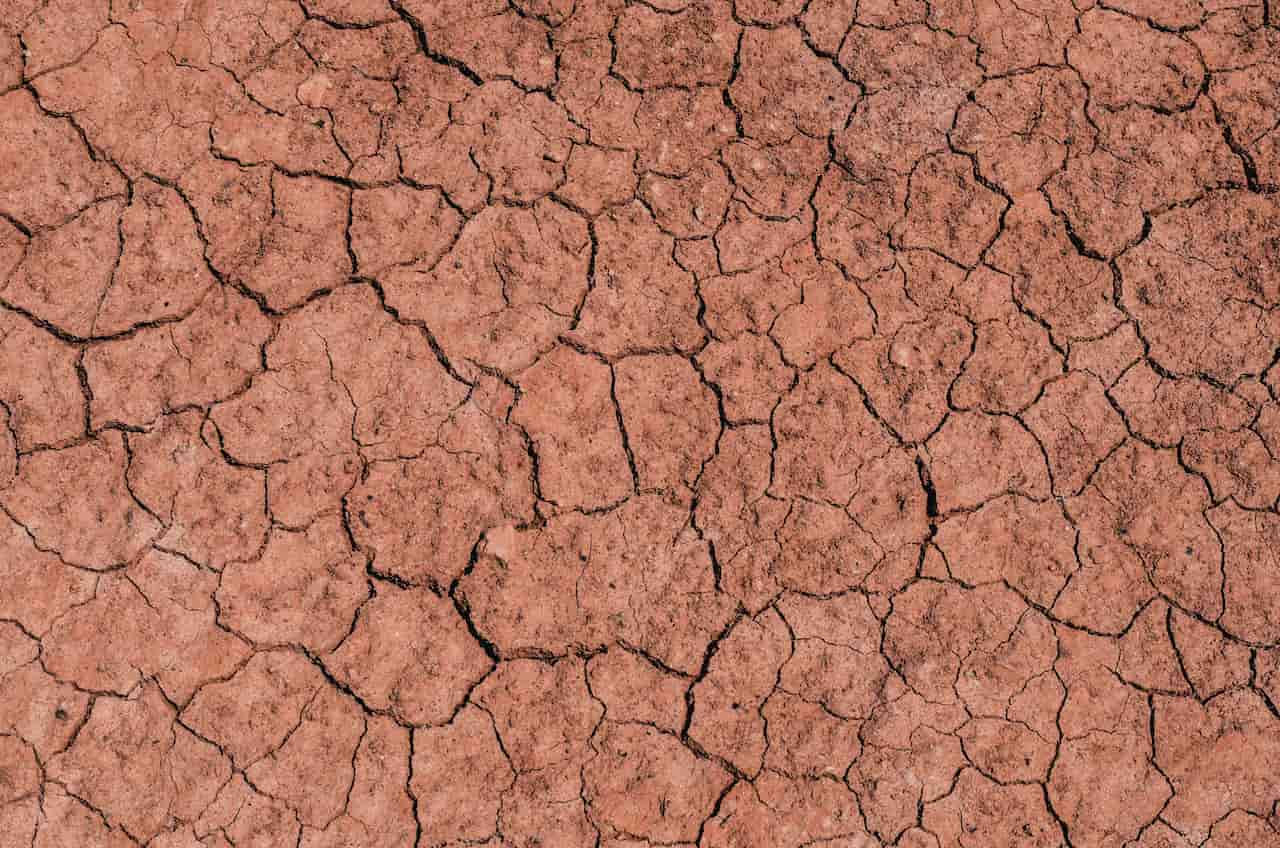
Heavy clay soil covers a large proportion of UK gardens – particularly in the Midlands, parts of the south and most of the north-west. It waterlogged in winter, bakes hard in summer, sticks to boots and tools with equal enthusiasm and can feel impossible to cultivate productively in the months either side of those extremes. My Greater Manchester garden sits on heavy clay and I spent the first two years fighting it before I understood what was actually happening structurally and how to work with it rather than against it.
The first and most important thing to accept is that improving clay is a multi-year project. Anyone claiming otherwise is selling something. What is achievable within a single season is a meaningful improvement in surface workability. What is achievable within three to five years of consistent organic matter addition is a genuinely good growing medium – one that retains clay’s real advantages in moisture and nutrient retention while losing most of the structural problems. The same thinking informs why raised beds work so well over clay subsoil, which is covered at the end of this guide and in more detail in our how to build a raised garden bed cheaply article.
Why clay behaves the way it does
Clay particles are microscopically fine – many times smaller than sand or silt particles. This particle size drives every characteristic behaviour. Tiny particles pack tightly together, leaving minimal pore space for water and air to move through. Water moves very slowly in both directions – it enters slowly during rain and drains slowly after it. The particles expand when wet and contract when dry, causing the cracking in summer and heaving in winter. And because clay particles carry surface electrical charges, they bind powerfully together when compressed – which is exactly why walking on wet clay destroys its structure so completely and so lastingly.
The goal of all clay improvement work is to increase pore space within the soil – creating the air channels and drainage pathways that allow water to move freely and roots to penetrate deeply. Organic matter achieves this by feeding soil biology – the worms, bacteria and fungi whose physical activity creates channels and whose chemical byproducts create the sticky substances that bind clay particles into larger aggregates called crumbs. Crumb structure is what good clay soil looks like. It takes time to build because you are building a living system, not just adding a material to an inert medium.
Organic matter – the only real long-term fix
Adding organic matter is the single most effective clay soil improvement strategy available. Well-rotted garden compost, composted manure, leaf mould and green waste compost all work. The critical word is well-rotted. Fresh manure or incompletely composted material added to clay creates anaerobic conditions as it breaks down in the poorly-drained environment and can make drainage temporarily worse rather than better.
Dig organic matter into clay in October and let the UK winter do the structural work for you. A 10cm layer of well-rotted manure dug in and the surface left rough in October gives frost repeated opportunities through winter to break up clods and open the structure. By March the same bed that was difficult to dig in autumn will be noticeably more workable without any further intervention. This is exactly the traditional approach for heavy clay and it works because UK winters are cold enough to do meaningful structural work.
The truth about adding grit
Adding horticultural grit or sharp sand to clay is one of the most consistently recommended and consistently misunderstood clay improvement strategies. The honest reality: to make a genuine structural difference to a clay soil, you need to add grit at a ratio of roughly 50% grit by volume. At any lower ratio – the 10-15% that most garden guides suggest – the grit particles simply sit within the clay matrix without opening up the structure in any meaningful way. The grit is not in contact with enough grit to create a drainage framework. It just sits there.
Achieving a 50% grit ratio across a full garden bed requires a volume of material that would cost hundreds to thousands of pounds per bed depending on size. It is simply not a practical strategy at garden scale. Where grit genuinely helps is in highly specific, small-volume situations: individual planting holes for trees or shrubs in particularly wet spots, mixing into a raised bed soil recipe where you control the full volume, or improving drainage immediately around individual plants. As a broadcast dressing over a clay bed it is largely wasted money and effort. Invest the same budget in well-rotted manure and the results over three seasons will be incomparably better.
Liming clay soil
Adding garden lime to clay causes a chemical reaction called flocculation – the electrical charges on clay particles are neutralised and the particles begin clumping together into larger aggregates. This genuinely improves drainage and workability and can produce visible results within a season. It is particularly effective on acidic clay, which is common in many UK gardens. Test pH before applying – if your soil is already above 7.0, additional lime will worsen growing conditions rather than improve them.
Apply lime in autumn at the rate specified on the product label. Never apply lime and manure together in the same application – they react chemically and release nitrogen as ammonia gas, wasting the manure’s nutrient content entirely. Apply one in autumn and the other the following spring, or alternate between years.
As an Amazon Associate I earn from qualifying purchases. Prices correct at time of publishing.
What makes clay worse
The raised bed shortcut
For vegetable growing specifically, the most practical immediate response to heavy clay is to bypass it entirely with raised beds. A raised bed filled with a good topsoil and compost mix sits above the clay, drains freely into it – clay’s drainage is slow but it does drain eventually – and provides an ideal growing environment from the first season without waiting years for structural improvement to take effect in the subsoil below.
The clay beneath improves gradually through worm activity and organic matter filtering down from the bed above. After five years of raised beds over clay, the soil directly beneath them is measurably better structured than surrounding unimproved ground. The two approaches are not in competition – raised beds provide immediate productive capacity while long-term clay improvement builds underneath them simultaneously. Our guides on how to build a raised garden bed cheaply and the perfect raised bed soil mix cover the complete approach for getting the best out of growing over clay subsoil.
As an Amazon Associate I earn from qualifying purchases. Prices correct at time of publishing.
Share on socials: