At a glance
A small garden is not a design limitation – it is a design discipline. Every plant in a small garden earns its place or gets replaced. There is no room for plants that look interesting for three weeks and then spend the other 49 weeks of the year as background noise. The best small gardens are designed around plants that work across multiple seasons – providing structure, flower, fragrance, berry, bark or autumn colour at different times of year – so that the garden always has something worthwhile to offer regardless of the month.
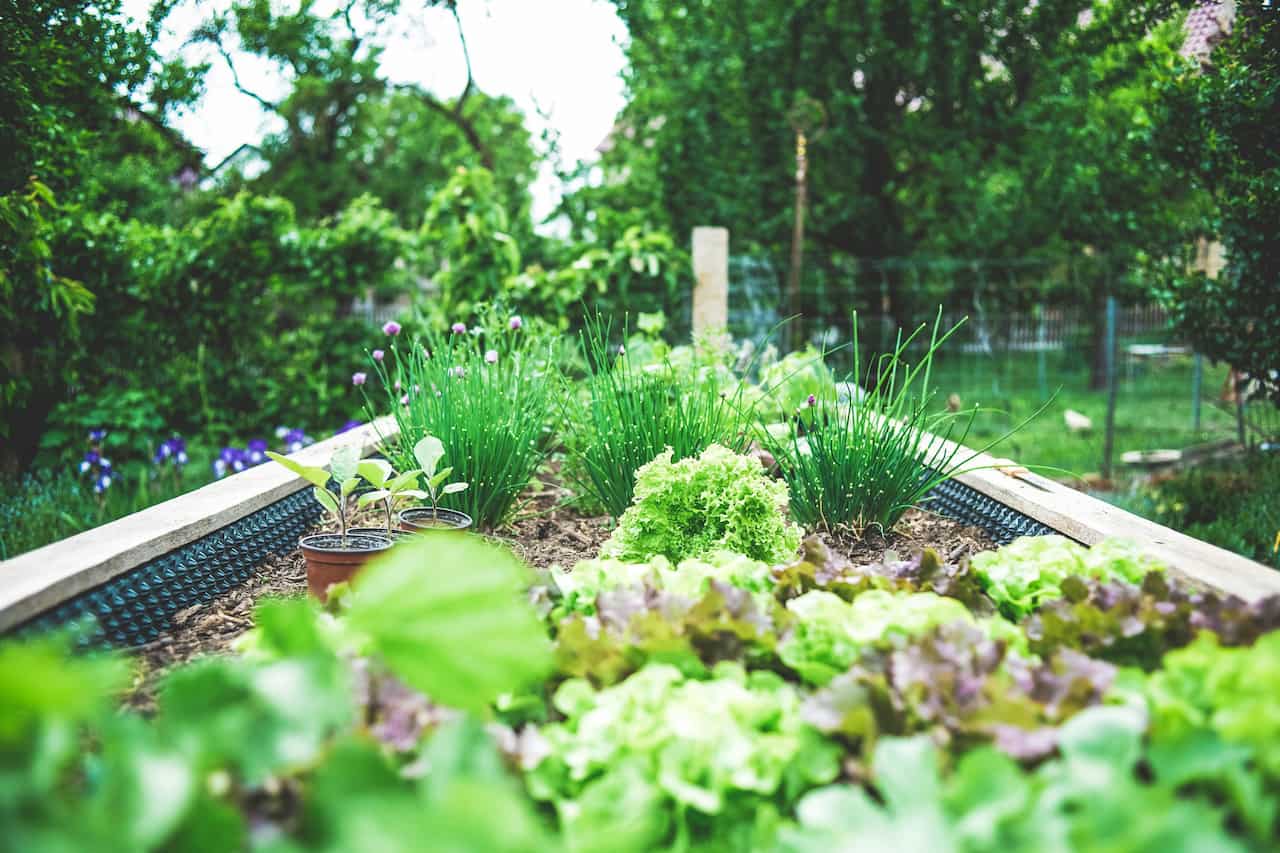
The gardener with a courtyard or small terraced garden is not growing a watered-down version of a large garden. They are growing something more intentional – where every square metre is considered and nothing wastes space. If you are also thinking about growing edibles in a limited space.
Small garden plant principles
Before choosing specific plants, these principles should guide every planting decision in a small garden. Every plant should offer at least two seasons of interest – flower plus autumn colour, or berry plus winter structure, or spring blossom plus attractive foliage. Use vertical space aggressively – climbers on walls and fences extend the planting area dramatically without using any ground space. Avoid plants that spread aggressively – bamboo, some ornamental grasses and vigorous ground covers quickly overwhelm a small garden. And prioritise fragrance – scented plants in an enclosed small garden are disproportionately impactful in a way they cannot be in an open space.
Best compact shrubs for small UK gardens
Sarcococca (sweet box) is the single most underrated plant for a small UK garden. It is fully hardy, evergreen, tolerates deep shade including north-facing positions, stays naturally compact at around 1m, requires no pruning and produces small white flowers in January and February that release an intense vanilla fragrance detectable across an entire small garden. It is one of the very few plants that offers genuine winter interest in a shaded small garden and it is widely underused.
Best climbers for walls and fences
Climbers are the most space-efficient plants available to the small garden owner. They cover large areas of vertical surface without taking any ground space at all. Every fence in a small garden should have a climber on it. Clematis montana is vigorous but controllable on a fence, with masses of small white or pink flowers in May – cut back hard after flowering to manage size. Rosa ‘Gertrude Jekyll’ is one of the best climbing roses for a small garden, with deeply fragrant pink flowers from June to October and manageable growth to around 1.5m with annual pruning. Hydrangea petiolaris is the best climber for a north-facing wall – self-clings to masonry, white lacecap flowers in June, good autumn colour. Trachelospermum jasminoides (star jasmine) is evergreen and intensely fragrant in summer, though it needs a sheltered position in colder areas.
Best compact perennials
Echinacea purpurea reaches 70cm, flowers from July to September, and its seed heads remain attractive through winter – pollinators love it. Salvia nemorosa ‘Caradonna’ produces compact spikes of deep violet flowers from June to August, repeat flowers if cut back, and is drought-tolerant once established – one of the most useful border perennials for a small space. Geranium ‘Rozanne’ covers the ground and flowers continuously from May to October, tolerates part shade and never needs staking – one of the hardest-working small garden perennials available. Agapanthus produces stunning blue or white flowers in July and August and performs beautifully in containers, though it needs winter protection in northern areas.
Container plants for small spaces
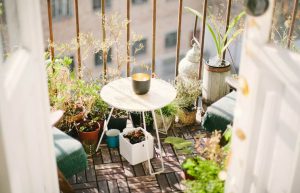
Containers allow plant displays to be changed seasonally and placed precisely where they create the most impact – beside a seating area, flanking a doorway, on steps. In a small garden where every centimetre of border space is valuable, containers on paving and paths add planting space without using any ground at all. The key principle for container planting in a small garden is the same as for the garden as a whole – choose plants that offer more than one season of interest. A spring bulb display followed by summer annuals followed by winter structural planting uses the same container three times in a year.
Year-round interest planting scheme
A simple planting combination that provides genuine year-round interest in a small garden: Sarcococca confusa (winter fragrance and evergreen structure) + Choisya ternata (spring and autumn flowers, evergreen) + Hydrangea paniculata ‘Little Lime’ (summer to autumn flowers, winter seed heads) + Geranium ‘Rozanne’ (continuous ground cover May to October) + spring bulbs in gaps (winter to spring colour from October). This five-plant combination covers every month of the year with something worthwhile and all five plants are compact, low-maintenance and readily available in UK garden centres.
Small gardens are not compromises. Planted with intention and restraint, they can be the most beautiful and consistently interesting gardens to spend time in.
Share on socials: