At a glance
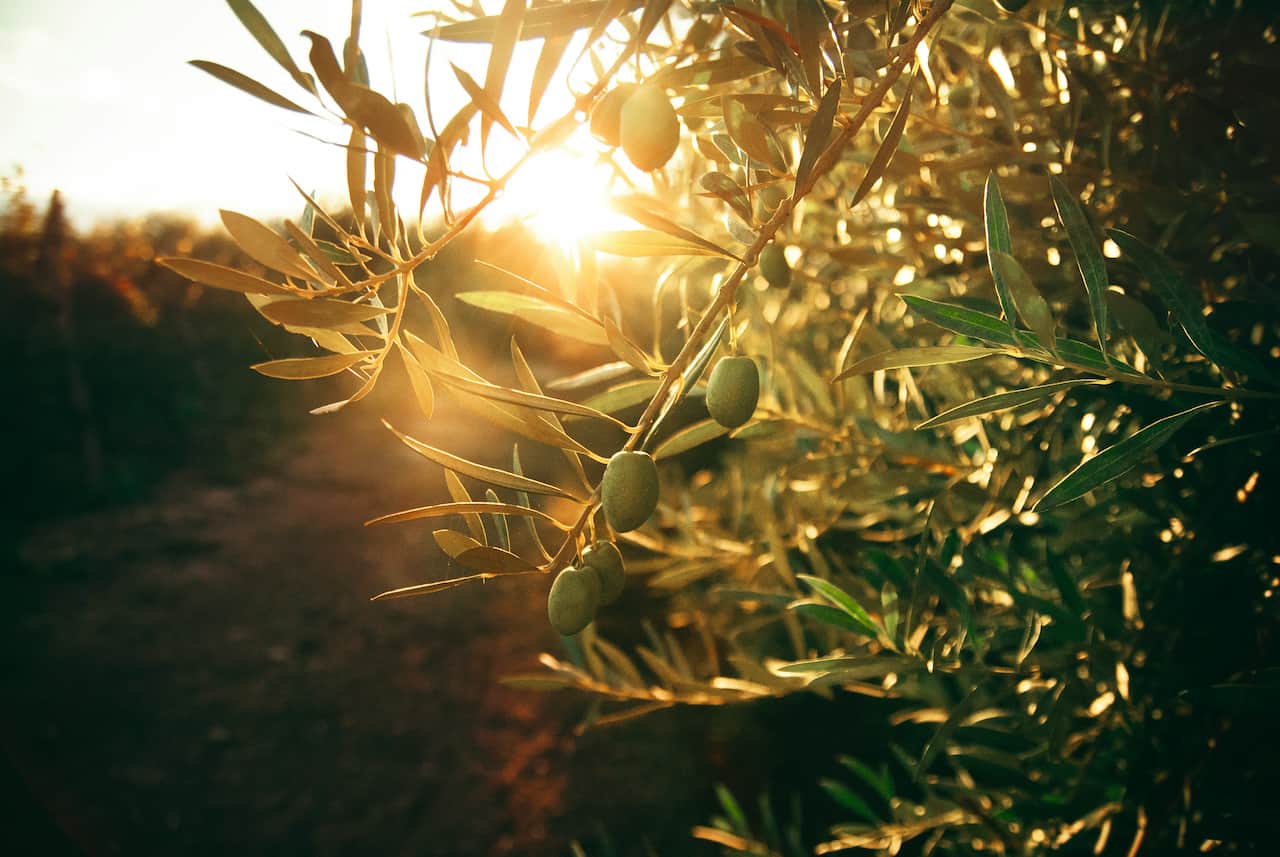
Olive trees have become one of the most popular container plants in UK gardens over the past decade, and with good reason – a well-grown specimen in a handsome pot makes an immediate and striking statement on a patio or terrace, requires minimal care once established, and is far hardier than most people assume. The problems that cause container olive trees to decline are almost never disease or cold – they are almost always related to the pot itself. Too small a pot restricts root development and causes the tree to become pot-bound within a season or two. Poor drainage sits water around the roots and causes root rot that presents as declining leaf health long before the cause is identified. Too light a material in a windswept position causes the tree to blow over repeatedly, damaging roots and breaking branches. Getting the pot selection right is the foundational decision that determines everything about how the tree performs.
Olive trees in containers in the UK behave differently to olives grown in the ground in Mediterranean climates. The root zone is limited, the tree relies entirely on you for water and nutrients, and the pot itself sits exposed to British winter temperatures on all sides rather than being insulated by surrounding soil. A good container olive in the UK needs a pot that provides adequate root volume, excellent drainage, sufficient weight to resist wind, and in most materials some frost resistance to avoid cracking in winter. The five pot types ranked below cover the realistic range available to UK buyers, from traditional terracotta through to modern fibreglass and metal alternatives.
What to Look For in an Olive Tree Pot
All 5 Pot Types Ranked
Frost-proof terracotta remains the best all-round choice for container olive trees in the UK. The classic appearance suits the Mediterranean character of the tree, the porous clay body allows some air exchange at the root zone, and the substantial weight of a large terracotta pot provides excellent stability in wind. The critical word is frost-proof – standard terracotta absorbs water into its clay body and cracks when that water freezes, sometimes destroying an expensive pot in a single hard frost. Frost-proof terracotta is fired at a higher temperature, producing a denser, less porous body that resists this process. Look for pots labelled as frost-proof or guaranteed to a specific temperature, and buy from reputable suppliers who can confirm the specification. Sizes of 50-60cm diameter are ideal for a mature olive and provide several years of growth before repotting becomes necessary.
As an Amazon Associate I earn from qualifying purchases.
Fibreglass pots have improved significantly in quality over the last decade and are now a genuinely good option for olive trees, particularly on balconies or upper-floor terraces where structural weight limits matter. A large fibreglass pot weighs a fraction of an equivalent terracotta or stone vessel and can realistically be moved by one person – a significant advantage when relocating the tree for winter or rearranging a terrace. Better fibreglass pots replicate the appearance of stone, lead, zinc or aged terracotta convincingly, and the best examples are genuinely difficult to distinguish from the real material at normal viewing distance. They are fully frost-proof, do not absorb water, and will not crack. The main limitation is weight for stability purposes – in exposed, windy positions a lightweight fibreglass pot may need ballasting in the base with gravel or stone before planting.
As an Amazon Associate I earn from qualifying purchases.
Wooden half barrels and large wooden planters suit olive trees well in informal and cottage garden settings and provide good root insulation in winter – the timber walls buffer the root zone against the sharp temperature swings that can stress container-grown plants. The main limitation is longevity: untreated or poorly treated wood will rot from the inside out in contact with moist compost, and most mass-market wooden planters begin to deteriorate within three to five years. Choose hardwood or pressure-treated softwood constructions, ensure the interior is lined or treated, and raise the pot off the ground on feet to allow the base to dry between watering. Very large wooden planters become extremely heavy when filled with compost and wet after rain, making them difficult to relocate.
As an Amazon Associate I earn from qualifying purchases.
Large glazed ceramic pots make a striking visual statement and the deep blue, grey and sage green glazes that are popular in current garden design suit the silver-green foliage of olive trees particularly well. The glaze seals the clay body, which means they do not breathe in the same way as unglazed terracotta – the root zone stays wetter for longer, which requires more careful watering to avoid overwatering. Most glazed ceramics are not frost-proof and must be moved to a frost-free location or wrapped and protected in winter – a significant practical consideration for heavy pots. For a sheltered, south-facing patio where winter temperatures rarely fall below -3 or -4 degrees Celsius and the pot can be easily protected, glazed ceramics are a beautiful and durable choice.
As an Amazon Associate I earn from qualifying purchases.
Zinc and galvanised steel planters have become fashionable in contemporary garden design and can look striking with olive trees in a modern minimal setting. They are fully frost-proof, lightweight relative to their size, and will not crack or break if tipped over. The practical limitations are significant, however: metal conducts heat rapidly, meaning the root zone overheats in direct summer sun and cools very sharply in winter – both of which stress the root system. The metal also restricts the evaporation that helps regulate soil moisture, so overwatering risk is higher. For a shaded or sheltered position where temperature extremes are moderated, metal planters can work well. In a south-facing position in full sun, they are not ideal for long-term olive tree health.
As an Amazon Associate I earn from qualifying purchases.
Compost, Feeding and Drainage
The compost mix for a container olive tree is as important as the pot itself. Standard multipurpose compost retains too much moisture and compacts over time, restricting drainage and aeration. A gritty, free-draining mix is essential – blend two parts loam-based compost (John Innes No.3) with one part horticultural grit or perlite. This produces a medium that drains quickly after watering, retains enough nutrients to support the tree, and does not compact into an anaerobic mass at the root zone. Raise the pot on feet or pot feet to ensure water can drain freely from the base holes without pooling beneath.
Place a layer of crocks or coarse gravel over the drainage holes before adding compost. This prevents the compost washing down and blocking the holes over time while still allowing water to drain freely. A 3-4cm layer of broken pot fragments, large gravel or expanded clay balls directly over the drainage holes is sufficient. Do not use fine gravel, which sifts down into the holes and blocks them.
Overwintering Olive Trees in Containers
Olive trees are hardier than commonly believed – established specimens can survive temperatures down to around -10 to -12 degrees Celsius in the ground. In containers, the roots are more exposed and the effective hardiness is reduced: most container olives are safe down to -5 or -6 degrees before root damage becomes likely. In most of the UK this is adequate for most winters without any protection, but in hard frost spells or in northern and elevated areas, some winter care is worth taking. Move the container to a sheltered position against a south-facing wall. Wrap the pot itself – not the foliage – with bubble wrap or hessian to insulate the root zone. The foliage is considerably more frost-hardy than the roots and does not need wrapping in most UK conditions.
Share on socials: