At a glance
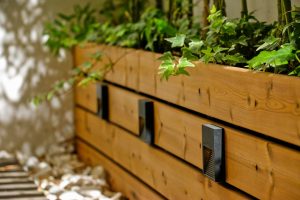
A wooden plant trough is one of the most versatile containers in a small garden or on a balcony. Its rectangular form maximises planting area across a narrow footprint, it works against a wall, along a fence line, on a window ledge or as a freestanding feature, and the natural material blends into almost any outdoor setting in a way that plastic and terracotta cannot. The question is which one will still look good and hold its structure after three UK winters of wet, frost and freeze-thaw cycles rather than starting to soften and sag before the first season ends.
We assessed five wooden plant troughs across a full growing season, looking at construction quality, wood treatment, drainage provision, hardware quality and how they hold up in British weather. Troughs were used to grow herbs, annual flowers and seasonal vegetables to assess real-world performance beyond initial appearance. Material and construction matter enormously in this category – a trough that lasts two seasons costs more per year than one that lasts a decade. The rankings reflect value over time rather than headline price.
What to look for in a wooden trough
All 5 troughs ranked
Rowlinson’s Premier trough is built from FSC-certified hardwood with galvanised fixings and a properly rebated corner joint that does not rely on screws alone to hold the structure together. After a full growing season the corners remain tight and the base board shows no softening. Internal depth of 280mm is generous enough for most vegetables and all herbs. The finish is applied properly rather than brushed on at the end – the wood takes treatment evenly and the result looks considered rather than functional.
It is the most expensive option in this test but the cost-per-year calculation over a realistic 8-10 year lifespan makes it competitive. Available in a range of sizes from 60cm to 120cm long. The feet are integral and raise the base off the ground, aiding drainage and preventing base rot from standing water.
As an Amazon Associate I earn from qualifying purchases.
Forest Garden is a UK brand with a strong track record in pressure-treated timber garden products. The patio planter trough uses Nordic spruce with factory-applied preservative that genuinely penetrates the wood rather than sitting on the surface. After a full wet winter the boards remain firm and the corners have not moved. The 15-year guarantee against rot is a meaningful commitment at this price point.
Appearance is more functional than decorative – the treatment gives the wood a greenish tone that weathers to a more natural grey over time. For a kitchen garden or productive growing area this is perfectly acceptable. For a feature planter in a prominent position the Rowlinson finishes better. Available in multiple sizes and available from garden centres and online.
As an Amazon Associate I earn from qualifying purchases.
The Hartwood trough is Grange’s premium-finish product using kiln-dried, pre-oiled hardwood that arrives ready to use without any treatment needed. The natural warm tone is the most visually appealing option in this test and suits cottage garden and formal settings equally well. Construction is solid with mortise and tenon joints at the corners rather than simple screw fixings.
Durability in the medium term is very good – expected lifespan with annual oiling is 8-10 years. The main limitation is that annual oiling is genuinely required rather than optional if you want to maintain the appearance. Neglected, the wood greys acceptably but the grain opens up in a way that can allow water ingress at the joints over time.
As an Amazon Associate I earn from qualifying purchases.
The Gardman trough is the budget option in this test – pine construction with a brushed-on wood stain rather than factory treatment. At under £20 for a usable planting trough it is accessible and adequate for growing seasonal annuals over one or two years. The construction is simple but functional and the drainage holes are sufficient for normal use.
Realistic lifespan without treatment is 2-3 seasons in UK conditions. A coat of exterior wood preservative applied on purchase extends this to 4-5 years. For a low-cost way to try container growing before committing to a premium trough, this works. Long term it is not competitive with the treated or hardwood options on cost-per-year basis.
As an Amazon Associate I earn from qualifying purchases.
Acacia is one of the most durable hardwoods available in UK garden products – it resists moisture, requires minimal treatment and ages to an attractive silver-grey if left to weather naturally. The Fallen Fruits tall trough uses solid acacia slats with stainless fixings throughout. The raised leg design, at 65cm height, makes it an ergonomic choice for anyone who wants to grow herbs or salad leaves without bending.
The taller format means it is the most suitable option in this test for growing deeper-rooted vegetables. Depth of 340mm is the best in this comparison. The main reservation is price – at this cost point it sits above the Rowlinson and the justification is the leg height and acacia material rather than a better overall product.
As an Amazon Associate I earn from qualifying purchases.
Wood types compared
Setup tips for longer life
The most important thing you can do to extend the life of any wooden trough is line it correctly before planting. A polythene liner or purpose-made hessian liner cut to fit the interior prevents constant wet soil contact with the wood, which is the primary driver of rot even in treated timber. The liner should come up the sides but stop just below the rim so it is not visible. Drainage holes must be left unblocked – a layer of crocks or gravel over them before adding compost prevents the holes silting up while keeping drainage free.
Raise the trough off the ground on pot feet or bricks. Even a 25mm gap between the base and a hard surface allows airflow that dramatically slows base rot. A trough sitting flat on paving with wet soil inside is sitting in standing water every time it rains. Legs help but feet help more on very wet paving.
What to grow in a wooden trough
A wooden trough suits continuous cropping better than single-season planting. The internal depth – typically 200-340mm depending on the product – is sufficient for herbs, salad leaves, dwarf French beans, courgettes in larger troughs, and cut-and-come-again crops that benefit from the length allowing spaced plantings of the same crop for succession. Herbs that work particularly well in troughs are those with different water requirements grouped separately: thyme, rosemary and sage together in a dry end, chives and mint in a separate trough where they can be contained without crowding other plants.
Share on socials: