At a glance
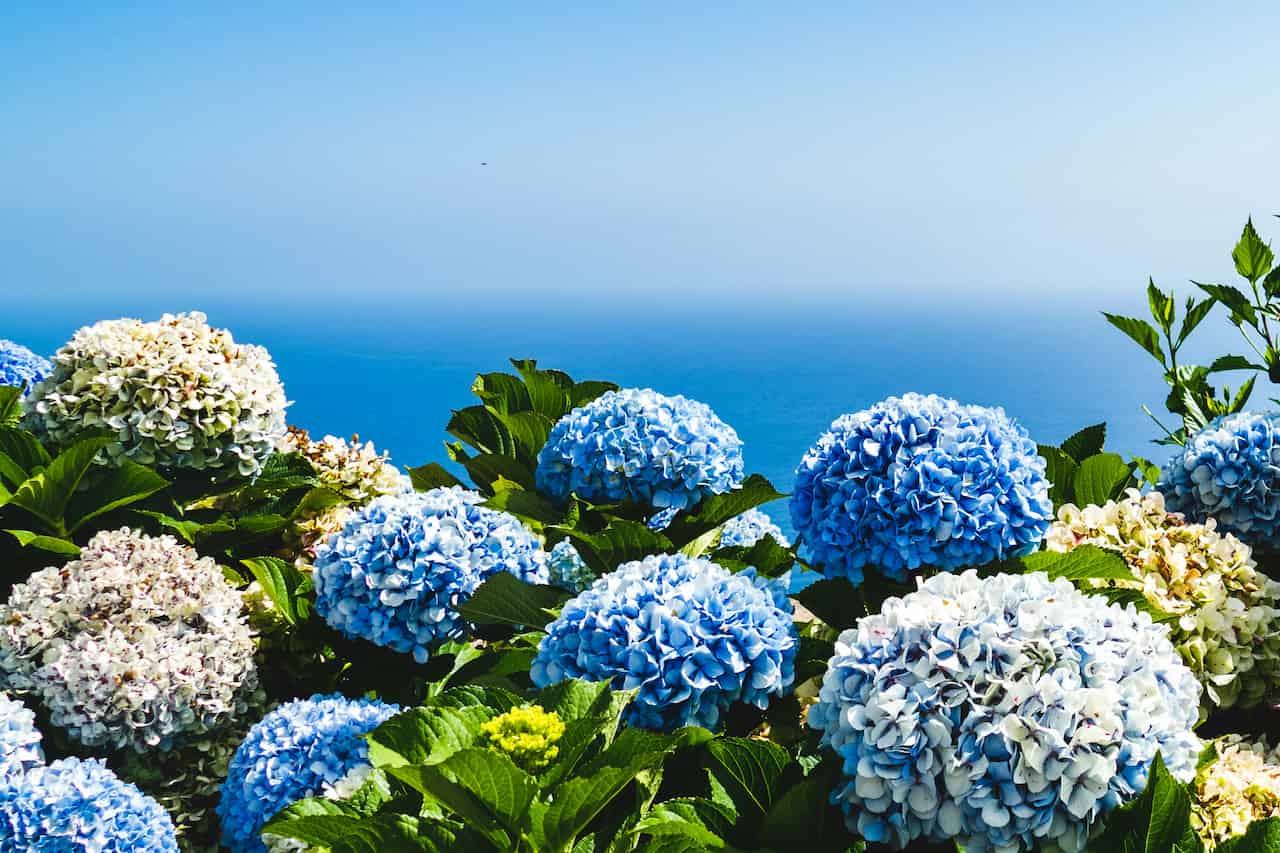
Hydrangeas are one of the most reliable large-flowered shrubs for cottage gardens and mixed borders, producing mophead, lacecap or panicle flowers from July through to October and holding those flowerheads as attractive dried structures well into winter. They are tolerant of a wide range of soil conditions, grow happily in partial shade where many shrubs struggle, and are available in sizes that suit everything from a large garden border to a container on a shaded patio.
The most common mistake UK gardeners make with hydrangeas is pruning them at the wrong time or in the wrong way – a mistake that removes all the flowering wood and results in a full year of green leaves and nothing else. Getting the pruning right requires knowing which type of hydrangea you have, because the different species flower on either old wood or new wood and must be treated completely differently. Everything else about growing hydrangeas is straightforward. It is the pruning question that matters most.
Choosing the right variety
Five main species are grown in UK gardens. They differ significantly in flower form, hardiness, pruning requirements and ultimate size. The mophead and lacecap types of Hydrangea macrophylla dominate garden centre sales and represent most of what people picture when they think of hydrangeas, but the paniculata types are increasingly popular and considerably more forgiving of both hard pruning and exposed positions.
For most UK gardens, H. macrophylla varieties such as ‘Nikko Blue’, ‘Endless Summer’ and the classic large mopheads offer the most dramatic display. H. paniculata cultivars including ‘Limelight’ and ‘Grandiflora’ are considerably more forgiving of exposed positions, tolerate harder pruning and are reliably hardy across all UK regions including Scotland and northern England. For a north-facing or heavily shaded wall, the climbing H. anomala petiolaris is one of very few flowering climbers that genuinely thrives in deep shade – though it is slow to establish, typically taking two to three years before flowering begins.
Planting and growing conditions
Hydrangeas perform best in a position with morning sun and afternoon shade, or dappled light throughout the day. Full midday sun in summer wilts the large leaves and flowerheads – particularly in dry conditions – and can scorch the petals. They are one of the most valuable shrubs for east-facing borders or the dappled light under the canopy of deciduous trees, positions where many other flowering shrubs produce little.
Plant in moisture-retentive, humus-rich soil, incorporating generous amounts of garden compost into the planting hole. Mulch heavily after planting to conserve soil moisture – this matters more for hydrangeas than for most garden shrubs given their high water requirements. For container growing, use a pot of at least 40cm diameter filled with John Innes No. 3 mixed with one third by volume of garden compost. Container hydrangeas may need watering daily in hot weather and should never be allowed to dry out completely, as severe wilting repeated across several seasons significantly reduces the plant’s vigour and flower production.
Leave the old flowerheads on until spring. The papery brown flowerheads that persist through autumn and winter are not just decorative – they provide meaningful frost protection for the developing buds beneath them on old-wood species. Cutting them off in autumn is a common mistake that exposes buds to frost damage. Remove them in March, cutting back to the first pair of healthy swelling buds below each old flowerhead.
Changing flower colour
The flower colour of H. macrophylla varieties is determined by the availability of aluminium ions in the soil, which is controlled by soil pH. In acid soil below pH 6, aluminium is freely available and taken up by the plant, producing blue flowers. In neutral or alkaline soil, aluminium is chemically locked up and unavailable, producing pink flowers. White-flowered varieties do not change colour regardless of soil pH – the colour change mechanism only operates on pink and blue pigmented cultivars.
To turn pink flowers blue, lower the soil pH by applying a dedicated hydrangea colourant – aluminium sulphate – from late winter through the growing season, or grow the plant in ericaceous compost. Results take a full season to develop and are never perfectly predictable: naturally alkaline soils fight back each year and require ongoing treatment to maintain the effect. To turn blue flowers pink, add ground limestone to raise the pH. In practice, most UK gardeners accept the colour their soil naturally produces and work with it, which is invariably the most reliable and lowest-effort approach.
How and when to prune
Pruning is where hydrangea growing either succeeds or fails completely. The golden rule is to identify your species before cutting anything. Old-wood species flower on stems produced in the previous year – cut those stems back hard in late winter or autumn and you remove an entire season’s worth of flowers. New-wood species produce their flowers on growth made in the current season and actively benefit from hard pruning each year.
Never prune H. macrophylla hard in autumn or late winter. This is the single most common hydrangea mistake. If you cut macrophylla stems back to the base in February or March – treating them like paniculata – you remove every flowering bud for that year. The plant will grow vigorously and produce a full canopy of leaves with no flowers. The damage is done for a full 12 months and cannot be reversed once the cuts are made.
Common problems and fixes
Hydrangeas are generally robust and trouble-free once established in the right conditions. Most problems trace back to one of three causes: incorrect pruning, insufficient water, or a position that is too exposed or too sunny. The problem guide below covers the issues most commonly raised by UK gardeners.
Hydrangeas are long-lived, increasingly impressive shrubs that improve noticeably year on year as they establish. A well-positioned, correctly pruned hydrangea will still be flowering prolifically in twenty years. The time invested in choosing the right type for the position and understanding the pruning rules for your specific species pays consistent dividends across the life of the plant. For gardeners managing a wider shady border, hydrangeas are among the very best structural flowering shrubs available – combining genuine visual impact with reliable performance in conditions where most shrubs deliver little. Combined with companions like astilbe and hostas that share the same preference for cool, moist, partially shaded conditions, they anchor a planting scheme that requires minimal intervention once established.
Share on socials: