At a glance
Solar panel system sizing is one of the most commonly misunderstood aspects of going solar in the UK. The question most homeowners ask is “how many panels do I need?” but the more useful question is “what system output, in kilowatt-peak, matches my energy use and roof?” Panel count follows from system size, not the other way around – and system size should be determined by your annual electricity consumption, your roof’s orientation, and how much of your own generation you can realistically use during the day.
This guide explains how sizing works, what output to expect from different system sizes in UK conditions, how roof orientation affects real-world generation, and what questions to ask any installer before signing a contract. Getting the size right matters because an undersized system leaves money on the table while an oversized one costs more than necessary and may export more than the Smart Export Guarantee payments can justify. A correctly sized system, matched to your household’s actual consumption patterns, typically achieves payback in 8-12 years in the UK – significantly faster if you also have an EV or a heat pump to absorb daytime generation. Exporting surplus to the grid generates income through the Smart Export Guarantee, worth understanding before sizing your system.
How Solar Systems Are Sized
Solar systems are measured in kilowatt-peak (kWp), which is the maximum power output the system can produce under standard test conditions – bright sunshine at 25 degrees Celsius with 1,000 watts per square metre of solar irradiance. In UK real-world conditions, panels rarely produce their rated peak output because our solar irradiance is lower and our temperatures are rarely ideal. A 4kWp system in the UK typically generates 3,400-3,800 kWh of electricity per year depending on location and orientation – roughly equivalent to the annual electricity consumption of a medium-sized three-bedroom home.
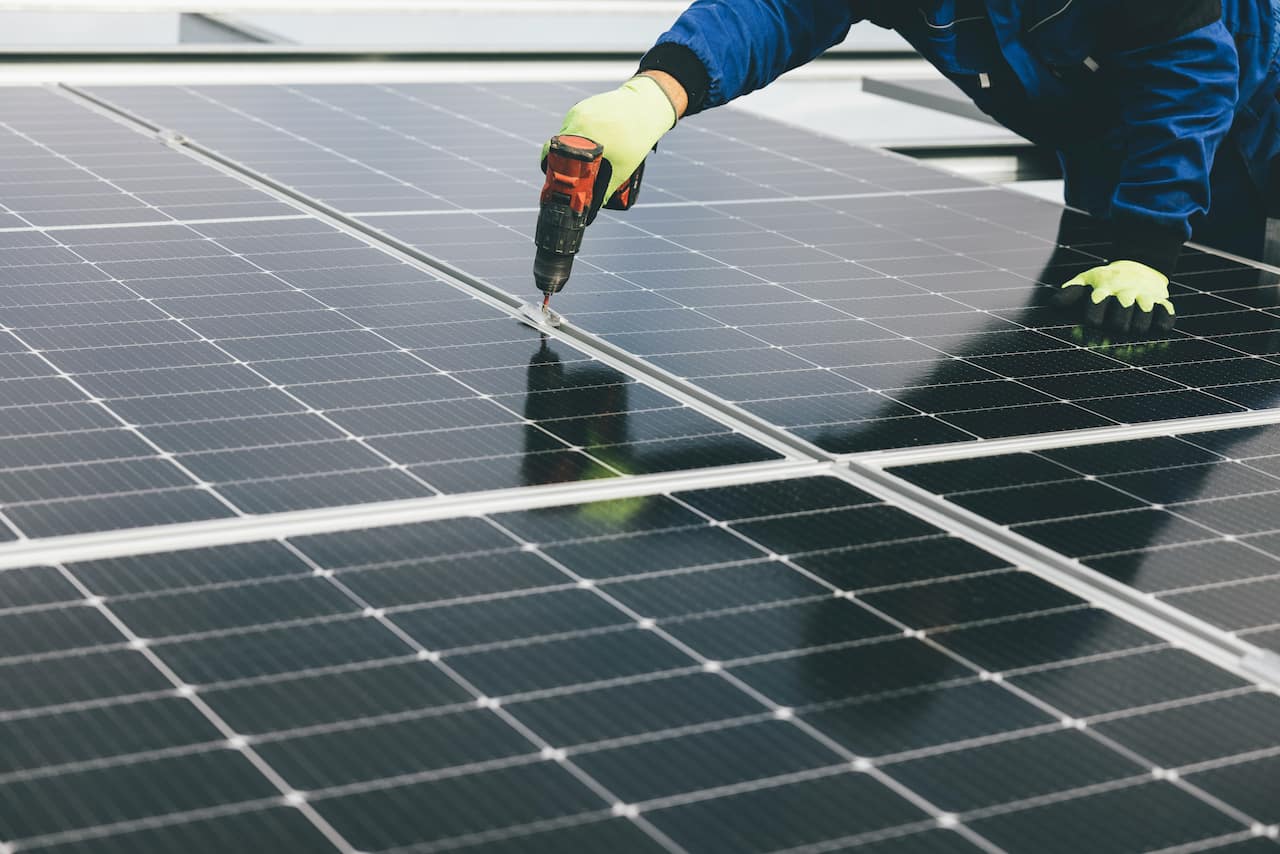
The kWp figure is the sum of all panel ratings in the system. Eight panels rated at 400W each give a 3.2kWp system. Ten panels at 420W give 4.2kWp. Modern residential panels are typically rated between 380W and 430W, making the panel count relatively easy to calculate once you know the target system size. What matters most when choosing system size is your annual electricity consumption, available roof area, and how much of the generated electricity you can use directly during daylight hours rather than exporting to the grid.
System Size by Household Type
These figures assume south-facing roofs at 35-40 degree pitch – the optimum for UK conditions. East or west-facing roofs generate approximately 15-20% less annually. Households with electric vehicles or heat pumps benefit from larger systems because they provide high-demand loads that can absorb daytime solar generation directly, significantly improving self-consumption rates and payback times. If you already monitor your electricity use carefully, checking your annual kWh figure on your bills or smart meter is the most accurate starting point – generic household size estimates can be significantly off if you work from home, have electric heating, or have recently changed your appliances.
Panel Sizes and Roof Space
Modern residential solar panels measure approximately 1.7m x 1.0m (1.7 square metres per panel) for standard 400W panels, though some higher-output panels are slightly larger. The usable roof space needed for a system is greater than the simple sum of panel areas because panels need spacing for fixings, airflow and maintenance access. A 3kWp system of 8 panels requires approximately 14-16 square metres of net panel area but needs a clear roof section of roughly 20-22 square metres to allow for this spacing and for the inverter and cabling routes.
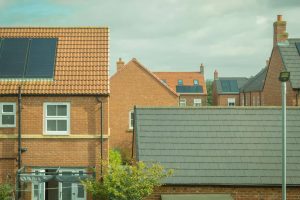
Chimneys, Velux windows, satellite dishes and roof vents all reduce usable roof area and may create shading problems if panels are placed nearby. A good installer will assess your roof for shading using mapping tools and will recommend panel placement that minimises shade losses. Partial shading of even a single panel in a traditional string inverter system can significantly reduce the output of all panels in that string – which is why some installers recommend microinverters or DC optimisers on roofs with complex shapes or shading obstacles.
Real-World Output in the UK
The standard estimate for UK solar generation is 850-950 kWh per kWp per year for south-facing installations at optimal pitch, though this varies significantly by UK region. Cornwall and the south-west typically achieve 1,000-1,100 kWh/kWp. Scotland and the north typically achieve 750-850 kWh/kWp. These regional differences mean a 4kWp system could generate anywhere from 3,000 to 4,400 kWh annually depending on location – a significant range when calculating financial returns. Monitoring your actual generation against the installer’s estimates in the first full year gives you the data needed to verify performance and identify any underperformance issues early. A whole-home energy meter reading approach, taken regularly, helps you track how much of your solar generation you are consuming versus exporting.
Roof Orientation and Tilt
South-facing roofs at 30-45 degrees pitch produce the highest annual output in the UK. East and west-facing roofs produce roughly 15-20% less annually, but they generate more evenly across the day – east roofs peak in the morning and west roofs peak in the afternoon, which can actually improve self-consumption for households that use most electricity in the morning or evening. A north-facing roof is not suitable for the main solar installation in the UK – the annual output loss is too significant to justify the investment.
Flat roofs can work well for solar with ballasted mounting systems. Panels on a flat roof can be angled at the optimum pitch (usually 20-30 degrees for UK conditions) using tilt frames, and they can be oriented south regardless of which way the building faces. Flat roof installations are common on commercial properties and are increasingly used on residential extensions and outbuildings. Wind loading calculations are required and a structural survey is advisable before installing on any flat roof.
Adding Battery Storage
A home battery stores surplus solar generation that would otherwise be exported to the grid and releases it in the evening when the solar panels are no longer generating. The most common residential battery sizes in the UK are 5-10 kWh, with popular systems including the Tesla Powerwall (13.5 kWh), Givenergy (8.2 kWh) and Huawei LUNA (5-30 kWh scalable). For a typical 3-4kWp solar system, a 5-8 kWh battery is generally sufficient to store the surplus from an average summer day and cover evening household consumption.
The financial case for battery storage depends heavily on the difference between your import and export tariffs. If you are on a time-of-use tariff with high peak evening rates and low overnight rates, a battery can charge cheaply overnight as well as from solar during the day, significantly reducing peak import costs. Understanding your current electricity tariff in detail is essential before deciding on battery size – both for solar and for any other home energy improvements, as covered in the guide to reducing home energy bills.
Cost, Payback and What to Ask Installers
A 4kWp solar system costs approximately £6,000-£8,000 installed in the UK in 2025, depending on panel brand, inverter type and installer. Adding a 5-8 kWh battery typically adds £3,000-£5,000. MCS-certified installers are required for systems connected to the Smart Export Guarantee, so always confirm MCS certification before signing any contract. MCS certification can be verified through the official scheme at mcscertified.com.
Payback periods for solar in the UK currently run to 8-12 years for a system without battery storage, assuming a mix of self-consumption and SEG export income. Systems paired with EV charging or heat pumps can achieve payback in 6-9 years due to the high value of displacing expensive grid electricity. Checking your property’s EPC rating is a useful first step before investing in solar – properties with a C rating or better are generally well-suited to solar, while those with a D or below may benefit more from insulation improvements first to reduce overall energy demand before sizing a solar system.
Share on socials: