At a glance
Clay pavers are one of the oldest paving materials still in widespread use in the UK and for good reason. Fired at high temperatures from natural clay, they are exceptionally hard, dense and durable – resistant to frost damage, surface wear and the kind of colour fade that affects concrete alternatives within a decade. The Victorian streets of many British towns were laid with clay pavers and large sections of that original paving are still in service today, which is about as good a performance test as any paving material could ask for.
The question is whether that durability justifies the cost. Clay pavers are significantly more expensive than concrete block paving and considerably more expensive than most porcelain options too. For a standard domestic driveway or patio they represent a premium investment that only makes financial sense when you factor in the full lifespan of the material and the cost of replacing cheaper alternatives every twenty years. This guide sets out what clay pavers actually are, how they compare to the main alternatives, what a realistic budget looks like and the scenarios where they represent genuinely good value.
What are clay pavers?
Clay pavers are small format paving units made from natural clay that has been shaped and fired in a kiln at temperatures between 1000 and 1300°C. The firing process vitrifies the clay – essentially turning it into a very dense ceramic – which gives the finished paver its hardness, low water absorption and resistance to frost. This is fundamentally different from concrete blocks, which are cast from a cement and aggregate mix and cure rather than fire. The vitrification process is what gives clay pavers their longevity and also what makes them significantly more expensive to produce.
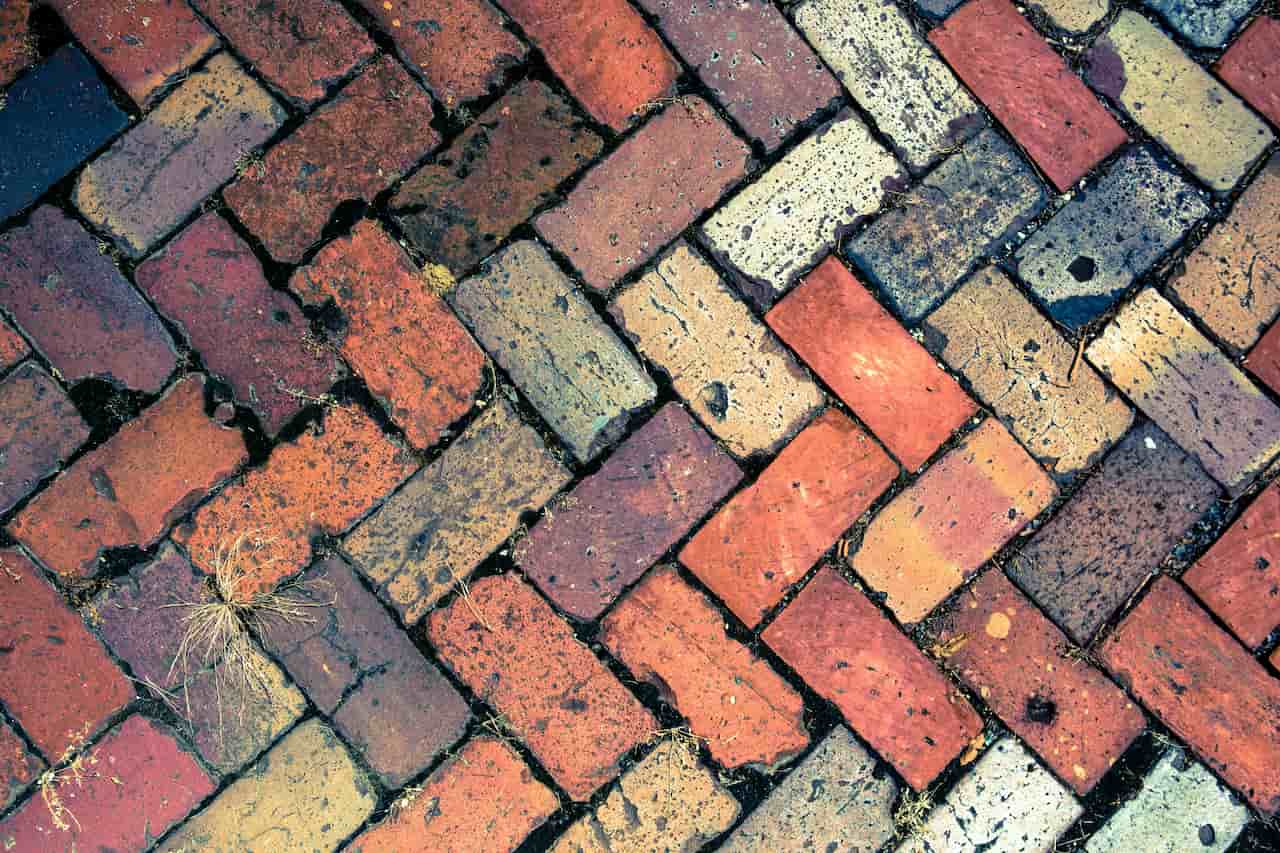
In the UK context, clay pavers come in a range of formats but the most common are the tumbled or wirecut varieties. Wirecut pavers have a more uniform, textured finish where the clay is extruded and cut by wire, leaving a slightly rough surface. Tumbled pavers are given a worn, aged appearance through a mechanical tumbling process that softens the edges and produces a look closer to reclaimed brick. Both types are available in a range of traditional brick tones – reds, buffs, blues and mixed heritage blends – that complement older UK housing stock particularly well.
Clay vs concrete vs porcelain
The three dominant paving materials for UK domestic projects are clay, concrete block and porcelain. Each suits different situations and budgets. Understanding the practical differences – not just the aesthetic ones – is essential to making a decision you will not regret in five years.
Concrete blocks are the best choice for budget-constrained projects or where DIY installation is important – they are forgiving to lay, widely available and perform well over a 20 to 40 year horizon before showing significant wear. Porcelain sits between clay and concrete in many respects – it offers zero colour fade and very low maintenance but is difficult to cut accurately and requires a more demanding mortar bed installation. Clay pavers occupy a distinct position: they are the highest-performing option by almost every metric except upfront cost and laying ease, and they age gracefully in a way that the others simply do not.
Cost and what affects it
Clay paver costs in the UK vary considerably depending on format, finish and manufacturer. Budget entry-level clay pavers from domestic manufacturers start at around £50 per m2 supply only. Premium continental or heritage options can reach £120 per m2 or more. Installation on top of material costs typically adds £40 to £80 per m2 for professional laying, depending on the complexity of the area, the sub-base condition and the pattern chosen.
The sub-base is a significant cost component that is easy to underestimate. Clay pavers demand a well-prepared sub-base – typically 100mm of compacted Type 1 hardcore for pedestrian areas, or 150mm for driveways. A poorly prepared sub-base causes movement, cracking and joint failure regardless of how good the pavers are, which largely defeats the purpose of investing in a premium material. If the existing ground needs excavating and proper sub-base installation, add £15 to £30 per m2 to the total cost estimate.
Order at least 10% extra material. Clay pavers require cutting at edges and around features – and because they are individually fired, there will always be slight colour and texture variation between batches. Order all material from the same production batch and add 10% for cuts and breakages. Ordering a second batch later to fill gaps risks a visible colour mismatch that cannot be hidden.
Pros and cons – evidence
The case for clay pavers is strong when you look at the lifetime cost rather than the upfront cost. The case against them is primarily about budget and project suitability. Both sides are worth understanding clearly before committing.
Laying and installation
Clay pavers are laid on a compacted sub-base and a screeded bed of sharp sand, not mortar. This flexible laying system allows the pavers to move very slightly with ground movement without cracking – which is part of the reason they last so much longer than rigid-laid alternatives. The joints between pavers are filled with kiln-dried jointing sand brushed in and compacted by plate vibrator. Mechanical compaction is essential – hand tamping is not sufficient to lock the pavers and kiln-dried sand together properly.
Check permitted development rules before paving a front garden. Paving over more than 5m2 of a front garden with an impermeable surface requires planning permission in England and Wales. Clay pavers laid on a sand and hardcore bed are technically permeable, but only if the area drains to a permeable surface or soakaway rather than to the road or drains. If in doubt, check with your local planning authority before starting work.
Are they worth it – verdict
Clay pavers represent excellent value over a 50-plus year time horizon, but poor value if you are likely to move in the next five years or if the project is a budget-constrained practical area that you just need to function. The honest answer is that they are the right choice in some situations and clearly the wrong choice in others.
The best clay paver projects in UK gardens share three characteristics: they are on properties where the material genuinely matches the architectural context, the budget has been set realistically with sub-base preparation included, and the owner is planning to be there long enough to see the return on the investment. When all three apply, clay pavers are not expensive – they are the most cost-effective paving available when measured over the lifetime of the product.
Share on socials: