At a glance
Mint is one of the most rewarding herbs to grow in a UK garden – vigorous, productive, fully hardy and available from the first warm days of spring through to the first frosts of autumn. The problem with mint is not growing it but containing it. Left unrestricted in a border or raised bed, most mint varieties spread rapidly by underground runners, colonising large areas and proving very difficult to eradicate once established. This single characteristic puts many gardeners off, but the solution is simple and very effective: plant mint in a container sunk into the ground, or grow it entirely in a pot. Contained this way, mint is completely manageable and produces abundantly for years without any of the invasiveness problems that give it a bad reputation.
The variety of mints available goes far beyond the basic spearmint sold in supermarket herb pots. From the intensely cooling peppermint to the mild, fruity apple mint and the aromatic Moroccan mint used in tea, each has a distinct character suited to different culinary uses. Growing two or three varieties gives a kitchen herb collection with genuinely different flavours rather than multiple pots of the same thing. Like lemon balm, mint belongs to the Lamiaceae family of aromatic herbs and shares its preference for moist soil and partial shade tolerance that makes it one of the few herbs that performs well in a less-than-sunny position.
Varieties to grow
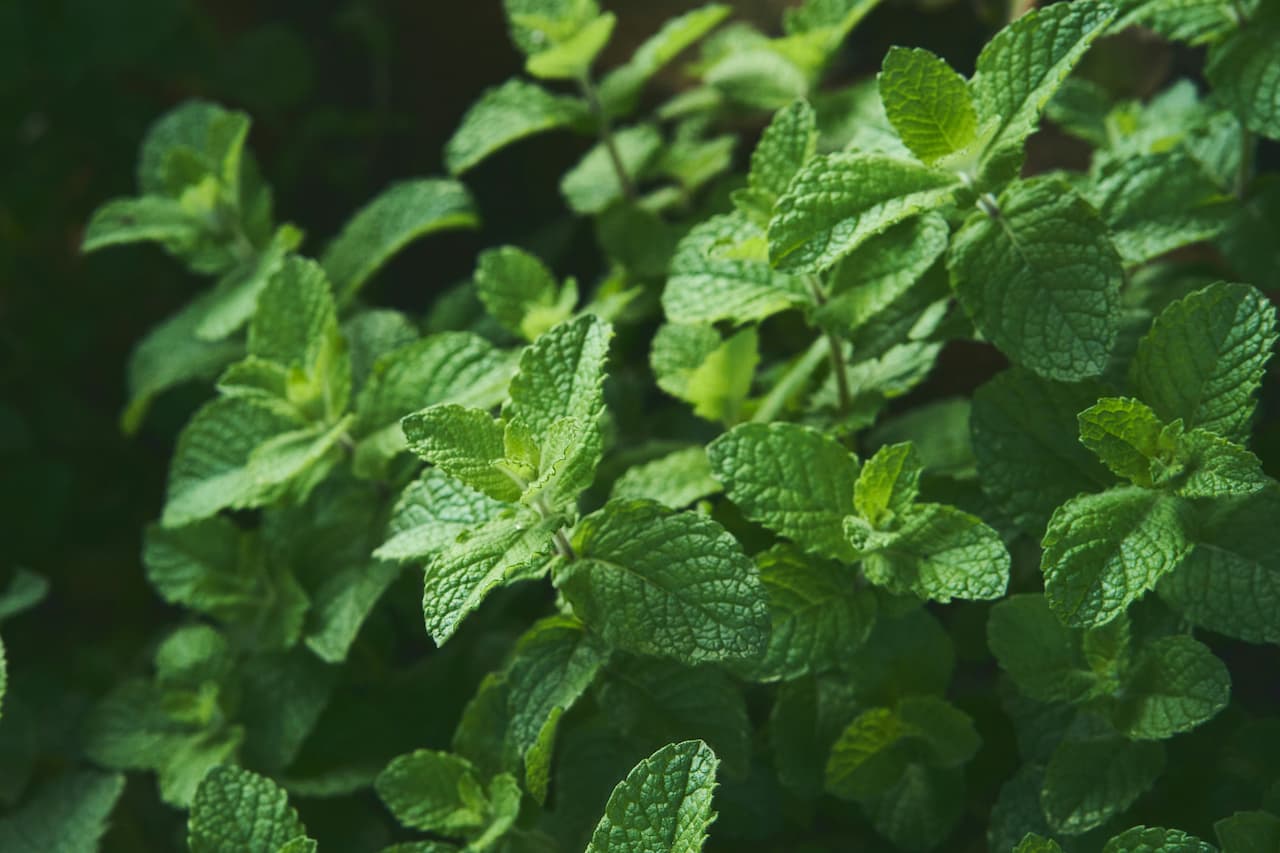
Spearmint is the standard kitchen mint – the variety used in mint sauce, new potatoes and peas, and garden-variety mojitos. It is widely available as a pot plant from garden centres and is the most vigorous spreader of the common types. Peppermint has a much stronger, more medicinal menthol character driven by its high menthol content – excellent for tea but overpowering in cooking where spearmint’s subtler flavour is needed. Apple mint, with its softly hairy leaves and mild fruity flavour, is often preferred for mint sauce by those who find spearmint too assertive. Moroccan mint makes the finest fresh mint tea – its sweet, smooth flavour without the harshness of peppermint is the variety used in traditional North African preparation. Chocolate mint, with its faint cocoa undertone, is something of a novelty but genuinely pleasant in desserts and iced drinks.
Containing the spread
The underground runners (rhizomes) that mint sends out horizontally through the soil are what make it invasive. A single plant can extend its rhizome network by 60cm or more in a single growing season, sending up new shoots along the length of the runner. In an open border this creates a spreading colony that is very difficult to fully remove once established – every fragment of root left in the soil regenerates into a new plant.
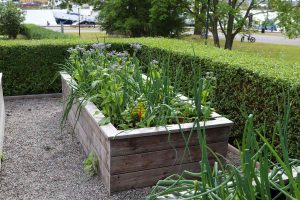
The most reliable solution is to plant mint in a container sunk into the ground. Use a large pot – 30cm diameter minimum – with the drainage holes intact, sunk into the soil to within 5cm of the rim. The soil inside the pot provides a natural root environment while the pot wall prevents the rhizomes escaping into the surrounding ground. Check annually by lifting the pot and trimming any roots escaping through the drainage holes. Alternatively, grow mint entirely above ground in containers on a patio or balcony – a 25-30cm pot of good compost kept consistently moist produces an excellent yield and the roots are naturally self-contained. The same approach works well in a raised bed where catmint and other spreading herbs are also planted in sunken pots to prevent competition.
Planting and care
Mint is almost always planted from divisions, cuttings or bought pot plants rather than grown from seed – most mint varieties are hybrids and do not come true from seed. Plant from April onward once the soil has warmed, or earlier if growing in a container that can be kept inside. Mint tolerates a wide range of positions from full sun to partial shade – it is one of the few herbs that genuinely performs well in a partially shaded position, though it grows most vigorously with three to four hours of direct sun per day. The one requirement it shares with all herbs is good drainage – mint in waterlogged soil rots at the roots regardless of how vigorous the top growth.
Water consistently through the growing season, particularly for pot-grown plants which dry out faster than those in the ground. Mint in containers needs watering every day or every other day in hot summer weather. Feed pot-grown plants with a liquid herb or balanced fertiliser every two to three weeks from April to September – plants in the ground rarely need feeding if the soil is reasonably fertile. Refresh container-grown mint every two to three years by dividing the root ball, discarding the exhausted central portion and replanting vigorous sections from the outside of the clump in fresh compost.
Seasonal care calendar
Harvesting and dividing
Harvest mint by cutting stems back by up to a third of their length rather than picking individual leaves. This approach encourages the plant to branch and produce a bushier, leafier plant rather than a tall, leggy one. Always cut just above a pair of leaves – new shoots will emerge from the leaf axils below the cut. The freshest, most aromatic leaves are always the youngest ones at the tips of the stems – these are the ones to pick for fresh use. Older leaves further down the stem are still useful for drying but have less essential oil concentration than the growing tips.
Cut plants back hard once or twice during the growing season – reducing all stems to 10-15cm above the soil surface – to rejuvenate them and promote a fresh flush of tender new growth. Mint that has been allowed to grow tall and leggy without cutting back produces fewer leaves of lower quality and is more likely to look tatty. After the hard cut, new growth appears within a week or two and the plant is productive again within three weeks. Divide established plants every two to three years – lift the root ball, split it into sections with a sharp spade, discard the exhausted central portion, and replant vigorous sections from the outside in fresh compost or prepared soil.
Pot up a division in autumn to keep fresh mint through winter indoors. While outdoor mint dies back in winter, a small division potted up in September and kept on a warm kitchen windowsill will continue producing leaves through the colder months. Take a clump of healthy rhizomes, pot into a 15cm pot of fresh compost, water in and place on a bright windowsill above 10°C. The indoor warmth and light keeps the plant in active growth when the outdoor plants are fully dormant, giving access to fresh mint for winter cooking.
Common problems and solutions
Share on socials: