At a glance
The soil mix you fill a raised bed with is the single decision that determines how productive the bed is for the next decade. It matters more than the timber you chose, the depth you built to, and the orientation you planted it in. A raised bed filled with the wrong material – straight garden soil, pure multipurpose compost, or a guessed combination of whatever was cheapest – will underperform from year one and worsen as the material compresses and depletes. A bed filled correctly will produce consistently without significant amendment for five to seven years, simply refreshed with a surface mulch of compost each autumn.
The formula used by experienced UK kitchen gardeners is the 60/30/10 ratio: 60% quality topsoil, 30% compost and 10% drainage material. This combination provides the mineral structure that compost alone cannot, the fertility and biological life that topsoil alone lacks, and the drainage that UK rainfall demands. What each component actually means in practice – and where to source it cheaply without compromising quality – is where the useful detail lies.
The 60/30/10 formula explained
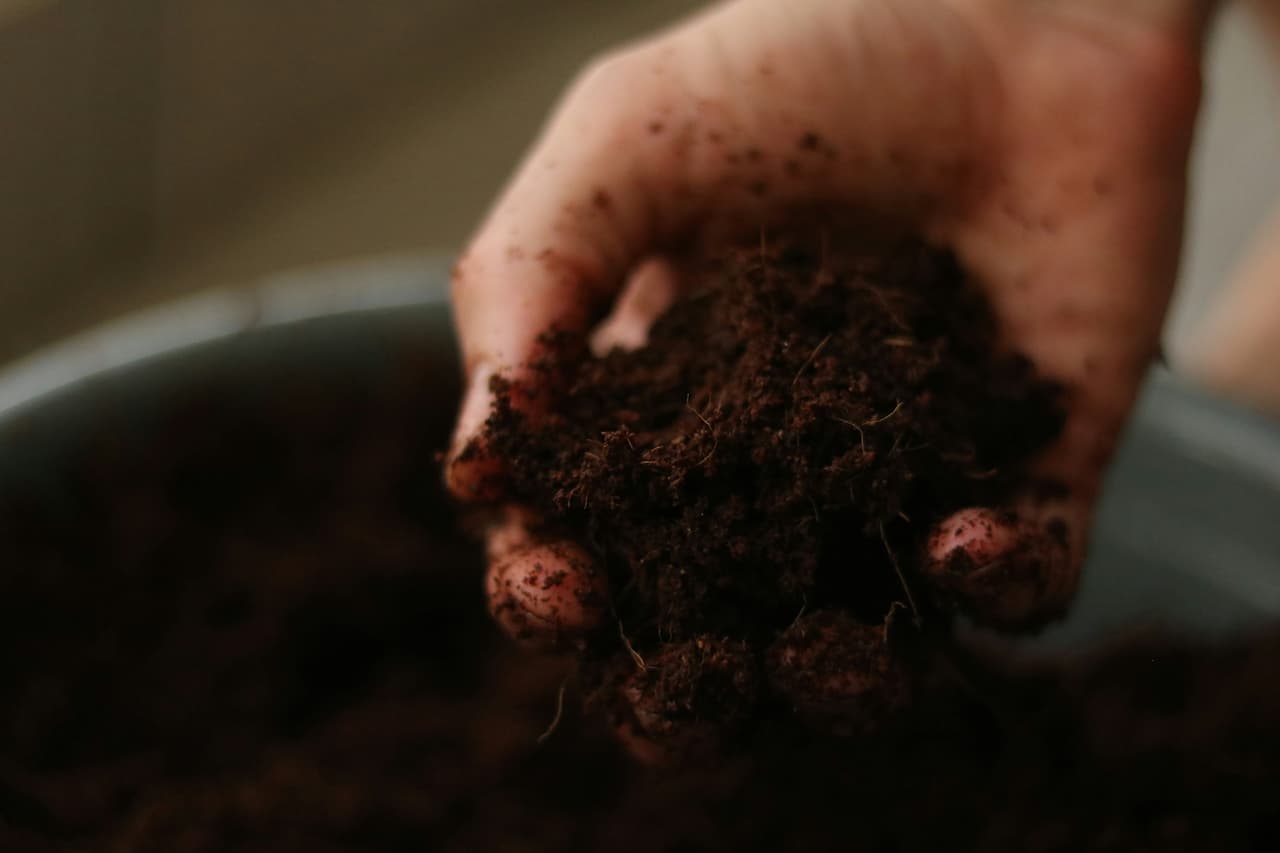
The topsoil is the foundation – it provides the mineral content and physical bulk that keeps the bed stable as organic matter breaks down over seasons. Without it, a bed filled with compost alone will sink by 30-40% within a year as the material decomposes. The compost fraction is where fertility and biological life comes from – the fungi, bacteria and earthworm populations that make nutrients available to roots. The drainage component keeps the mix open and well-aerated regardless of how much UK rain falls on it. All three do distinct jobs and none is optional.
Choosing the right topsoil
Topsoil quality in the UK is regulated by BS3882, the British Standard for topsoil. For raised beds, Grade A is the specification to request: less than 0.5% stones by weight, pH between 5.5 and 7.5, no contamination and no weed seed burden beyond the permitted level. Grade B is acceptable and typically cheaper. Ungraded “screened topsoil” sold in bulk by some merchants is a lottery – it can contain construction rubble, heavy metals, compacted subsoil passed off as topsoil, and so many weed seeds that your first season is spent weeding rather than harvesting. It is worth paying more for certified material.
If you are in northern England or Wales, increase the grit component. Clay-heavy subsoils beneath raised beds act as a drainage plug even with perfect mix above them. A 5cm bark chip layer laid at the very bottom of the bed before filling provides additional drainage insurance. On established clay sites, some gardeners also use a fork to break through the base of the bed area before filling.
Compost – cheap UK sources
Compost is the component where costs can vary most dramatically without meaningful difference in outcome. The premium branded bags at garden centres are not measurably better for raised bed filling than budget alternatives from discount retailers. The one quality distinction that matters is whether the material is genuinely matured – fresh, still-active compost can temporarily lock up nitrogen as it continues breaking down, which depletes the nutrients your crops need right when they need them most.
Aldi and Lidl both stock 50-70L bags of multipurpose or farmyard manure compost for £2.99-4.99 in season – typically March to July. Buy a stack when you see them, as they sell out quickly and are rarely restocked within the same season. B&M Bargains consistently carries 80L bags for £3-5 throughout the growing season and is often the best high-street price per litre. Home compost from a bin producing mature, finished material is the best option of all – it carries living microbial populations that bag-bought compost cannot match. Spent mushroom compost is available cheaply from mushroom farms and some garden centres, but is slightly alkaline – test the pH of your finished mix before planting if you use it.
Drainage and grit – why it matters
The UK climate makes drainage the component most often underestimated by new raised bed gardeners. Wet summers in the north, Wales and Scotland, and the clay-heavy soils that underlie much of lowland England, mean that waterlogging is a genuine and common cause of crop failure even in a raised bed. The 10% grit or perlite component does several things simultaneously: it keeps the mix open so water moves through freely, prevents surface compaction after heavy rain from collapsing the soil structure, improves aeration around root systems and reduces the conditions that cause root rot in susceptible crops.
Adjusting the mix by crop
The 60/30/10 base mix works well for the majority of raised bed crops without adjustment. A handful of crops benefit from specific tweaks that improve yield noticeably and are worth implementing if you are dedicating a full bed to one of them. The adjustments are always small – the base formula is robust – but they reflect genuine differences in the root environment each crop prefers.
What not to put in a raised bed
Test your pH before planting. The ideal raised bed pH for most vegetables is 6.0-7.0. A digital soil pH tester costs around £12-15 and gives a reading in 30 seconds. If the pH reads below 6.0, work in garden lime at the rate on the packet. Above 7.5, add more compost or sulphur chips. Getting this right makes a larger difference to yields than most people expect – it determines how available the nutrients in your mix actually are to plant roots.
Filling the bed correctly is the most important single decision in the raised bed project. Build it from any material you choose – timber, galvanised metal, bricks, pallets – and the bed itself will last many years. But the soil inside determines the harvests. A well-structured 60/30/10 mix, tested to the right pH and refreshed with a surface layer of compost each autumn, will produce reliable crops without major amendment for five to seven growing seasons. It is the investment that pays back every year without additional work.
Share on socials: