At a glance
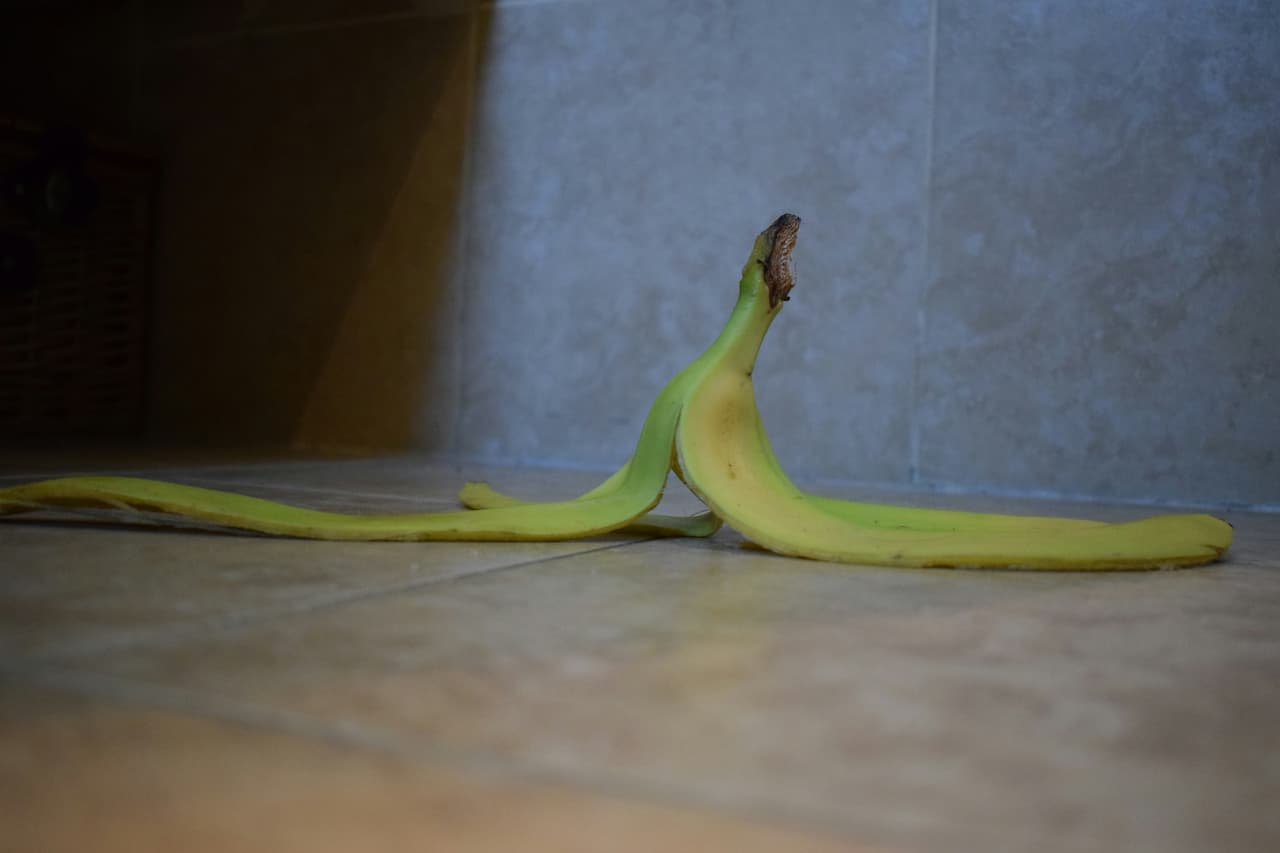
Banana peel is one of the most frequently recycled kitchen scraps in UK gardens, cited online as a remedy for everything from aphid control to improving rose colour. Some of these uses are genuinely worth pursuing. Most are not. What banana peel reliably contains is a useful quantity of potassium, smaller amounts of phosphorus, and traces of magnesium and calcium – nutrients that some plants use in large quantities and that are genuinely worth returning to the soil rather than sending to landfill. The challenge is that most methods of applying banana peel to soil deliver these nutrients very slowly, and some popular methods create more problems than they solve.
This guide focuses on what banana peel can actually do, how to get the most from it as a genuine soil amendment, and an honest account of which claims are supported by how the nutrients actually work and which have no reliable basis. The short version is that the compost heap is always the best destination for banana peel, and that liquid feeding methods release nutrients faster than burying whole or chopped peel directly in the ground.
What Banana Peel Actually Contains
The nutrient content of banana peel varies depending on the ripeness of the banana and how the peel is processed before use, but the general composition is consistent enough to be useful as a guide. Fresh banana peel is roughly 42% potassium by dry weight, making potassium its most significant nutrient contribution. This is the same element that commercial fertiliser labels list as K or K2O – the nutrient that supports fruit development, flower colour, disease resistance and cold hardiness in plants.
The important thing about banana peel as a nutrient source is that the potassium it contains is locked inside the organic material and only becomes available to plants once soil microbes have broken down the peel. Whole or coarsely chopped banana peel buried in soil can take several months to fully decompose, especially in cold UK conditions. This means that the timing of application matters – banana peel applied in autumn will contribute nutrients by the following spring, but peel applied two weeks before planting tomatoes in June is not going to help those tomatoes this season. The faster you break it down before application, the faster it works.
Which Plants Benefit Most
Potassium is most critical during the fruiting and flowering stages of a plant’s life – it supports the movement of sugars and nutrients through plant tissue, strengthens cell walls, and is directly linked to the development of fruit and the intensity of flower colour. Plants that are primarily grown for their leaves – lettuce, spinach, kale, most herbs – have much lower potassium requirements than fruiting crops, and directing banana peel applications toward tomatoes, peppers, roses and fruiting shrubs will give more noticeable results than scattering it across a salad bed.
How to Prepare and Apply Banana Peel
Banana Peel in Compost
The compost heap is the best destination for banana peel for several practical reasons. In a well-managed compost heap, banana peel breaks down within four to eight weeks depending on temperature, moisture and the ratio of green to brown material around it. The potassium it contains is distributed evenly through the finished compost, which then improves an entire bed rather than concentrating nutrients in one spot. Composting also avoids the pest attraction problems that come with surface-applying or burying fresh peel directly in growing areas.
Banana peel is classed as a green material in composting terms – it provides moisture and nitrogen for microbial activity, even though its primary nutrient value is potassium. It should be balanced with brown materials such as cardboard, dried leaves or shredded paper. Adding large quantities of banana peel to a heap that is already wet can make it too moist, which slows breakdown and can lead to anaerobic conditions and unpleasant smells. Chopping peel into 3-5cm pieces before adding significantly speeds the process and avoids the peel matting together into a dense mass that takes much longer to break down.
Pest and Disease Risks
Fresh banana peel applied directly to soil surfaces or buried shallowly is highly attractive to rodents, slugs and flies. The sweet smell of decomposing banana draws pests that would not otherwise be active in that area, and a buried piece of peel near a seedling can create a cluster of slug and vine weevil activity directly where it is least wanted. This is the primary practical problem with burying banana peel whole near plants – not that it fails to deliver nutrients eventually, but that it actively concentrates pest pressure at the same point.
Do not leave banana peel on the soil surface or bury it in shallow holes near seedlings. The decomposing peel attracts slugs, vine weevil adults, fungus gnats and rodents. Composting is the safe alternative that delivers the same nutrients without creating a pest magnet directly in your growing area. If using a liquid feed made from banana peel, the fermentation process over 48 hours makes the resulting liquid far less attractive to pests than fresh or recently buried peel.
Banana Peel Liquid Feed
A banana peel liquid feed – sometimes called banana tea – is made by soaking chopped peel in water for 24 to 48 hours at room temperature, then straining out the solid material and diluting the liquid before applying. This method releases soluble potassium, phosphorus and some trace minerals into the water within the soaking period, producing a dilute but immediately available liquid fertiliser. The concentration of nutrients in banana tea is considerably lower than in commercial liquid potash feeds, but for regular in-season use on growing tomatoes, peppers or heavy-feeding ornamentals, it provides a gentle potassium top-up that costs nothing and reduces kitchen waste.
Use banana peel liquid feed within 48 hours of making it. Beyond this point, without proper fermentation management, the liquid can develop unpleasant odours and may harbour mould. Apply to soil rather than directly to leaves – as with any liquid feed, applying to wet foliage can cause scorch if concentrated areas dry in direct sunlight. A ratio of one part banana tea to five parts water is a safe dilution for most plants. During the fruiting period of tomatoes and peppers, applying banana tea once a week alongside a standard balanced liquid feed provides a complementary potassium supplement without the risk of nutrient imbalance that can come from over-applying high-potassium commercial feeds.
Claims Ranked by Evidence
Freeze banana peel until you have enough to make a worthwhile batch. A single banana peel makes very little difference to a compost heap or liquid feed preparation. Collecting peel in a bag in the freezer until you have six or more pieces before processing – drying and grinding or making a liquid feed – makes the effort worthwhile and produces a meaningful quantity of amendment rather than a token addition. Frozen peel also defrosts quickly and breaks down faster in the compost heap than fresh peel.
Share on socials: