At a glance
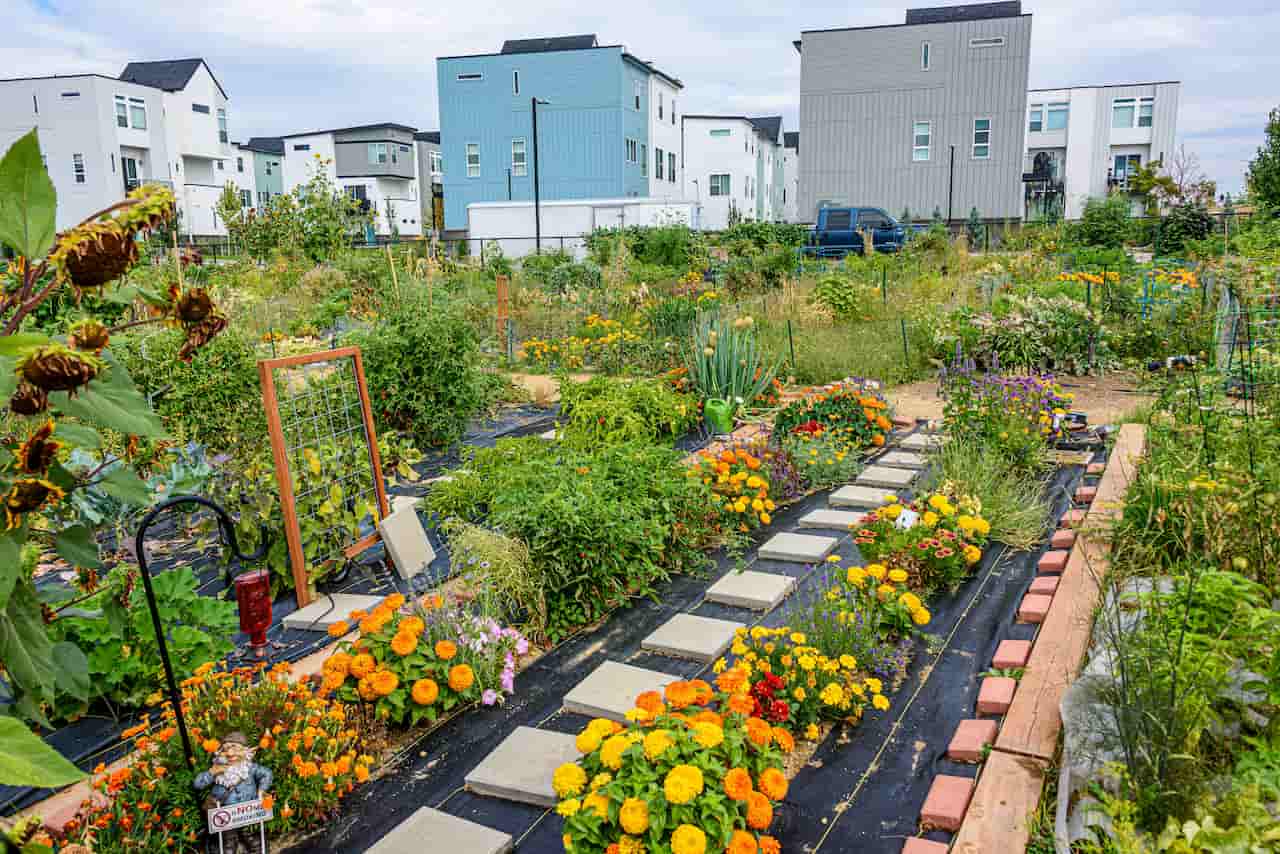
Urban growing in the UK has changed significantly. A decade ago, growing food in a city meant joining a years-long allotment waiting list. Today, the range of growing systems, compact varieties and container-friendly crops available means that a productive food garden is achievable with nothing more than a south-facing balcony, a doorstep with a few large pots, or even a well-lit windowsill. The gap between what you can grow in a city and what you can grow in the countryside has narrowed considerably.
The key to successful urban growing is not trying to replicate a rural kitchen garden in a small space. It is choosing the crops and systems that give the best return on the space available – crops that cost most in the shops, crops that taste noticeably better fresh, and crops that fit the containers and light conditions you actually have. A well-managed 2m x 1m raised bed on a sunny patio will outperform a poorly-managed allotment plot. This guide covers the systems, crops and planning that make urban food growing genuinely productive from March to November.
Why urban growing works in the UK
Urban environments in the UK have some surprising advantages for growing food. City and town temperatures run 1 to 3°C warmer than the surrounding countryside due to the urban heat island effect – a meaningful advantage at both ends of the growing season that allows earlier sowing and later harvesting than rural equivalents. South-facing walls and fences in urban gardens act as thermal stores, radiating heat through cool evenings and creating microclimates warm enough to ripen tomatoes and cucumbers outdoors in areas where they would struggle in open ground.
The urban food growing case is also strongly economic. A packet of salad seeds costing one pound can produce three to four harvests of cut-and-come-again leaves worth fifteen to twenty pounds at supermarket prices. A single well-grown courgette plant on a patio produces more fruit across summer than most households can consume. Fresh herbs growing in a window box save seven to eight pounds a week for a household that cooks regularly. The return on investment for urban growing, when you focus on high-value crops, is genuinely compelling.
Making the most of any space
The space assessment that matters most is not total area – it is usable light. Most food crops need a minimum of five to six hours of direct sunlight per day to produce well, and some – tomatoes, courgettes, peppers, cucumbers – need more. Before buying containers or seeds, track which parts of your available space receive direct sun and for how long. A south-facing balcony of two square metres outperforms a north-facing yard of twenty. Working with what you have rather than fighting it is the foundation of productive urban growing.
Use vertical space. In a small urban garden, vertical growing multiplies your productive area without taking up more ground. Climbing French beans trained up a bamboo frame on a 60cm square patio, runner beans along a fence, cucumbers up a trellis, wall-mounted herb planters – all these use the vertical dimension that most urban growers underuse. A 2m high fence with wall planters across its width adds three or four square metres of productive growing space that occupies no floor area at all.
Best crops for urban growing
The best urban crops share a set of characteristics: they are compact enough for containers, productive enough to justify the space, and either too expensive or too delicate to buy fresh with any reliability. Crops that are cheap in the shops, take up a lot of space or require large volumes of soil – parsnips, sweetcorn, large brassicas – are poor value for urban growing. The following crops consistently deliver the best return on space in a UK urban context.
Herbs – the highest-value crop
Fresh herbs are the single highest-return crop available to urban growers. A pot of supermarket basil costs two to three pounds and typically dies within a fortnight. Growing basil from seed costs around ten pence per plant and produces a harvest for three to four months. The same economics apply across coriander, parsley, chives, mint, thyme, rosemary and sage – all crops that are expensive to buy fresh, heavily used in everyday cooking and genuinely easy to grow in containers.
The key distinction for herb growing is between annual and perennial herbs. Annuals – basil, coriander, dill, chervil – need resowing each season and are best grown in succession (a new sowing every three to four weeks) to maintain a continuous supply. Perennials – rosemary, thyme, sage, chives, mint, oregano – establish once and return every year, growing larger and more productive with each season. A perennial herb collection in a window box or small container requires almost no attention once established and provides a year-round supply of the most-used cooking herbs.
Grow mint in its own container – never in the ground or mixed with other herbs. Mint spreads aggressively via underground runners and will take over any container or bed it shares with other plants within a single season. In its own pot it is perfectly well-behaved, highly productive and completely carefree. Remove it from any shared planting immediately – it is genuinely invasive and does not play well with neighbours.
Seasonal growing calendar
Urban growing in the UK follows the same broad seasonal rhythm as rural growing, but the urban heat island advantage and the flexibility of containers means the windows at both ends of the season are wider. Indoor starts from February onwards, outdoor planting from late April under protection or May directly, and season extension into November with cloches or cold frames are all achievable from a well-positioned urban space.
Common problems and solutions
Urban growing has a specific set of challenges that differ somewhat from open ground growing. The confined root zones of containers, the reflected heat and wind of urban environments, and the inconsistency of watering all create failure points that are different from those facing allotment growers with open beds. Most problems are preventable with the right setup and the right variety choices.
Urban growing rewards the grower who works with their specific conditions rather than trying to replicate a different type of garden. A well-chosen collection of containers on a sunny balcony, planted with salad, herbs, tomatoes and one courgette plant, maintained with consistent watering and weekly feeding, will supply a meaningful proportion of a household’s summer vegetable and herb needs. The economics improve every season as the setup becomes established and the approach becomes second nature.
Share on socials: