At a glance
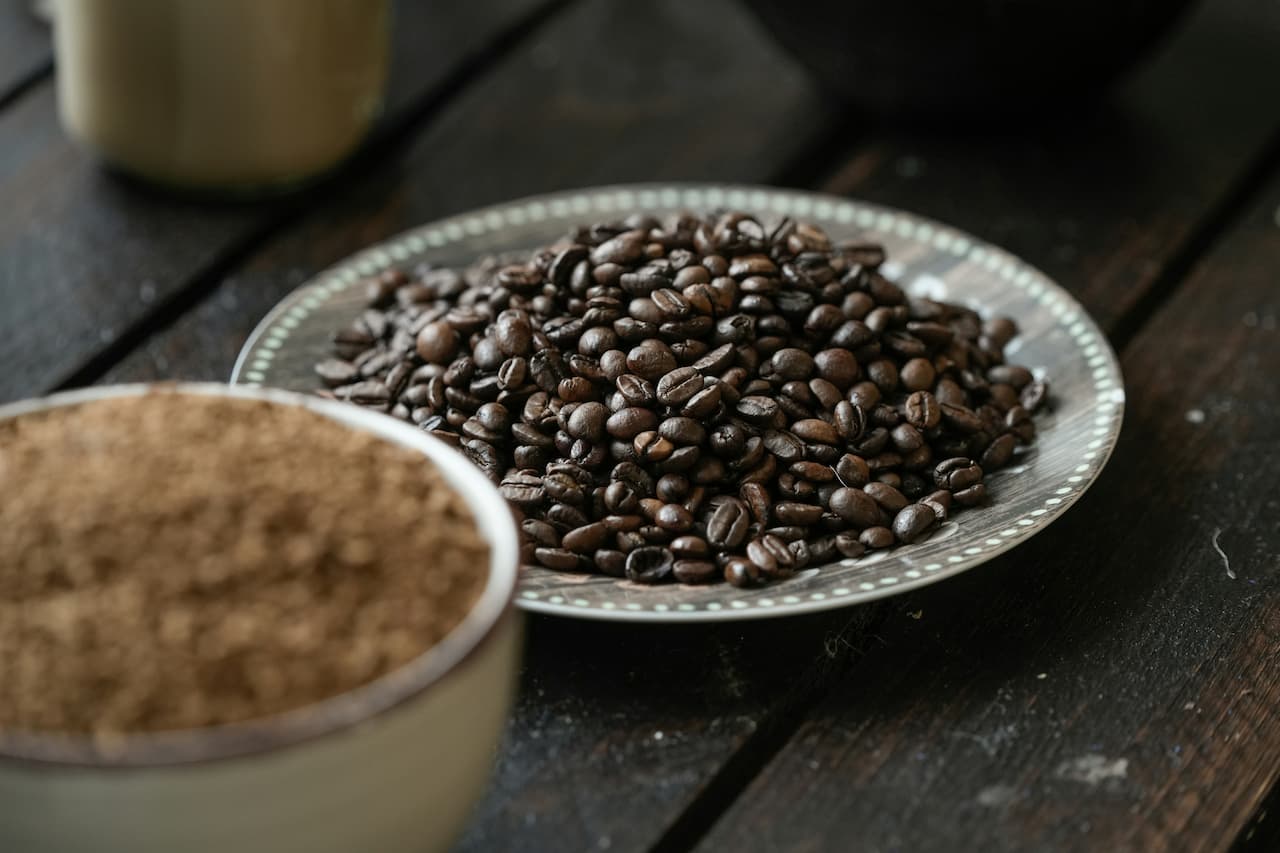
Coffee grounds are one of the most talked-about garden amendments in the UK, recommended online for everything from deterring slugs to improving soil structure to feeding every plant in the garden. The reality is more specific and more useful than the hype suggests. Used in the right way and in the right place, coffee grounds are a genuinely valuable addition to a garden – particularly for composting and for acid-loving plants. Used indiscriminately, they can create a physical crust that repels water, suppress seed germination, and build up caffeine concentrations that inhibit plant growth.
This guide covers what coffee grounds actually do in soil, which plants genuinely benefit, the correct application rates, and which of the widely circulated claims are not supported by evidence. Getting this right matters both for the plants it affects and for an allotment approach that avoids wasting a useful resource by applying it where it will do harm rather than good.
The pH Reality – Not as Acid as You Think
The most widespread misconception about coffee grounds is that they are strongly acidic. They are not. Brewed coffee grounds – the spent grounds left after brewing – measure between pH 6.2 and 6.8 in most analyses, which is only mildly acidic and not far from neutral. The acidity of the original coffee is largely extracted into the liquid during brewing. This matters because a significant proportion of the advice to use coffee grounds for acid-loving plants is based on an incorrect assumption about their pH effect on soil.
Applying spent grounds to soil will not meaningfully lower pH in the way that ericaceous compost or sulphur amendments do. If you are trying to acidify soil for blueberries, rhododendrons or other strongly acid-demanding plants, coffee grounds alone will not achieve the pH shift required. The correct approach for those plants is ericaceous compost mixed into the planting medium, with annual top-dressing of the same. Coffee grounds can be a supplementary addition but should not be the primary acidification strategy.
Which Plants Benefit and Which to Avoid
The plants that respond most positively to coffee grounds are those that already grow well in mildly acidic conditions. This covers a useful range of edibles and ornamentals, but it is a smaller list than commonly claimed. Hydrangeas are the standout candidate – they sit naturally in the same pH range as spent coffee grounds and benefit from the nitrogen content as a supplementary feed. The nitrogen content of coffee grounds – approximately 2% – is the most reliably beneficial component, providing a slow-release nitrogen source as the grounds decompose. This makes them useful as a supplementary feed rather than a primary soil amendment.
Carrots and parsnips should not receive coffee grounds near the seed drill. The caffeine content of coffee grounds has demonstrated germination-inhibiting effects in research studies, and root vegetables that fork or struggle without obvious cause are sometimes the result of chemical inhibition in the soil. This is an easy mistake to make when trying to improve soil structure in a vegetable bed – the nitrogen looks attractive but the risk to germination outweighs it entirely. Compost the grounds instead and apply the finished compost. Climbing roses, by contrast, respond well to grounds worked into the soil around their base in spring – they occupy the same mildly acidic pH range and the nitrogen feeds leaf and shoot growth at the start of the growing season.
Using Coffee Grounds in Compost
The compost heap is the single best destination for coffee grounds in any garden. In a balanced compost heap, grounds behave as a nitrogen-rich green material – equivalent to fresh grass clippings in their role. They break down readily, do not cause any of the germination issues associated with direct application, and contribute their nitrogen content to the finished compost in a form that is safe and useful for any plant. This is the approach with the most consistent evidence behind it and the fewest risks.
The key limitation is volume. Coffee grounds should not make up more than 20% of a compost heap by volume. At higher concentrations they begin to compact, exclude air from the pile, and can slow decomposition rather than accelerating it. Combined with carbon-rich brown materials – cardboard, paper, dry leaves, straw – grounds compost efficiently and improve the finished product. A household that brews coffee daily will generate a useful but not excessive volume of grounds, making this a straightforward and genuinely worthwhile practice.
How to Apply Coffee Grounds Correctly
Dry grounds before applying directly to beds. Wet grounds straight from the coffee machine clump together and form a dense mass that repels water and restricts air movement in the soil. Spreading them on a tray or newspaper to dry for 24-48 hours before use breaks up the clumping tendency and makes them far easier to work into the top layer of soil evenly. This is a minor step that significantly improves the result.
Common Myths Debunked
Coffee Grounds and Worms
Earthworms respond positively to coffee grounds used at moderate rates. Laboratory studies have shown worms are attracted to coffee-amended soil and reproduce more quickly in it – the organic matter content and the texture of the grounds appear to make suitable habitat and feeding material. This is one of the more robustly supported benefits of coffee grounds in the garden, particularly relevant for allotment holders trying to build worm populations in heavy or compacted soils.
The important caveat is again one of rate. At very high concentrations the caffeine becomes inhibitory rather than attractive, and worm populations decline. The practical implication is the same as for other applications: small quantities mixed into the soil periodically support worm populations, while large deposits applied in one go do not. The compost heap route achieves this naturally – worms colonise well-balanced compost heaps and consume grounds that have been diluted with carbon materials without ever experiencing the concentrations that would repel them.
Where to Get Free Coffee Grounds in the UK
Most households produce too few grounds to make a material difference to a large allotment plot. The practical solution is to supplement home production with grounds collected from other sources. Coffee shops and cafes – particularly independent ones – produce large volumes of grounds daily and are often willing to give them away free to gardeners who ask. Many already bag them up for collection rather than sending them to waste. A regular collection arrangement with a local cafe can supply enough grounds to make a genuine contribution to a compost heap or soil programme without any cost.
Costa Coffee and Starbucks both have formal programmes offering grounds to gardeners at many UK locations. Other commercial coffee suppliers, office kitchens and catering facilities are worth approaching directly. The ethos of turning a food waste product into a garden input is well understood by most businesses and the response is generally positive. The grounds should be used within a few days of collection to prevent mould developing – store in an open container rather than sealed to allow air circulation. For allotment holders looking to improve soil across a larger area, combining coffee grounds with other organic matter – grass clippings, kitchen waste, leaf mould – as part of a broader composting programme gives the most consistent and sustainable results.
Do not apply coffee grounds to seedling beds or areas you plan to sow directly. Caffeine and other allelopathic compounds in coffee grounds have demonstrated germination-inhibiting effects in controlled studies. The risk varies by plant species and concentration, but the safest approach is to keep grounds away from any sowing area and restrict direct application to established plants only. Route all grounds through the compost heap where the finished compost is safe for use anywhere.
Share on socials: