At a glance
Wood ash from a wood burner, open fire or bonfire is one of the most useful free soil amendments available to UK gardeners and allotment holders. It contains a meaningful quantity of potassium – typically 5-7% by dry weight – along with significant calcium, magnesium and a range of trace elements that have genuine value for plant nutrition. As a source of immediately available potassium for fruiting and root crops it compares favourably with many commercial fertilisers, and the calcium content produces a liming effect that can be useful on acid soils. The cost is zero for anyone who already has a wood burner or fireplace, making it one of the better examples of a garden input that is genuinely free and genuinely useful in the right context.
The complications come from the alkaline nature of wood ash and the speed with which it affects soil pH. Applied correctly – at the right rate, to the right crops, at the right time of year – wood ash is a genuinely valuable amendment. Applied incorrectly – in excess, to acid-loving plants, or mixed directly with other fertilisers – it causes measurable damage. The pH-raising effect means that wood ash absolutely must not be used near ericaceous plants like blueberries, rhododendrons and azaleas, should be used with caution on any soil already above pH 7, and should never be applied to seedlings whose root systems cannot tolerate an alkaline shock. Understanding these constraints allows the gardener to put wood ash to excellent use across much of the plot while protecting the plants and areas where it would cause harm.
What Wood Ash Contains
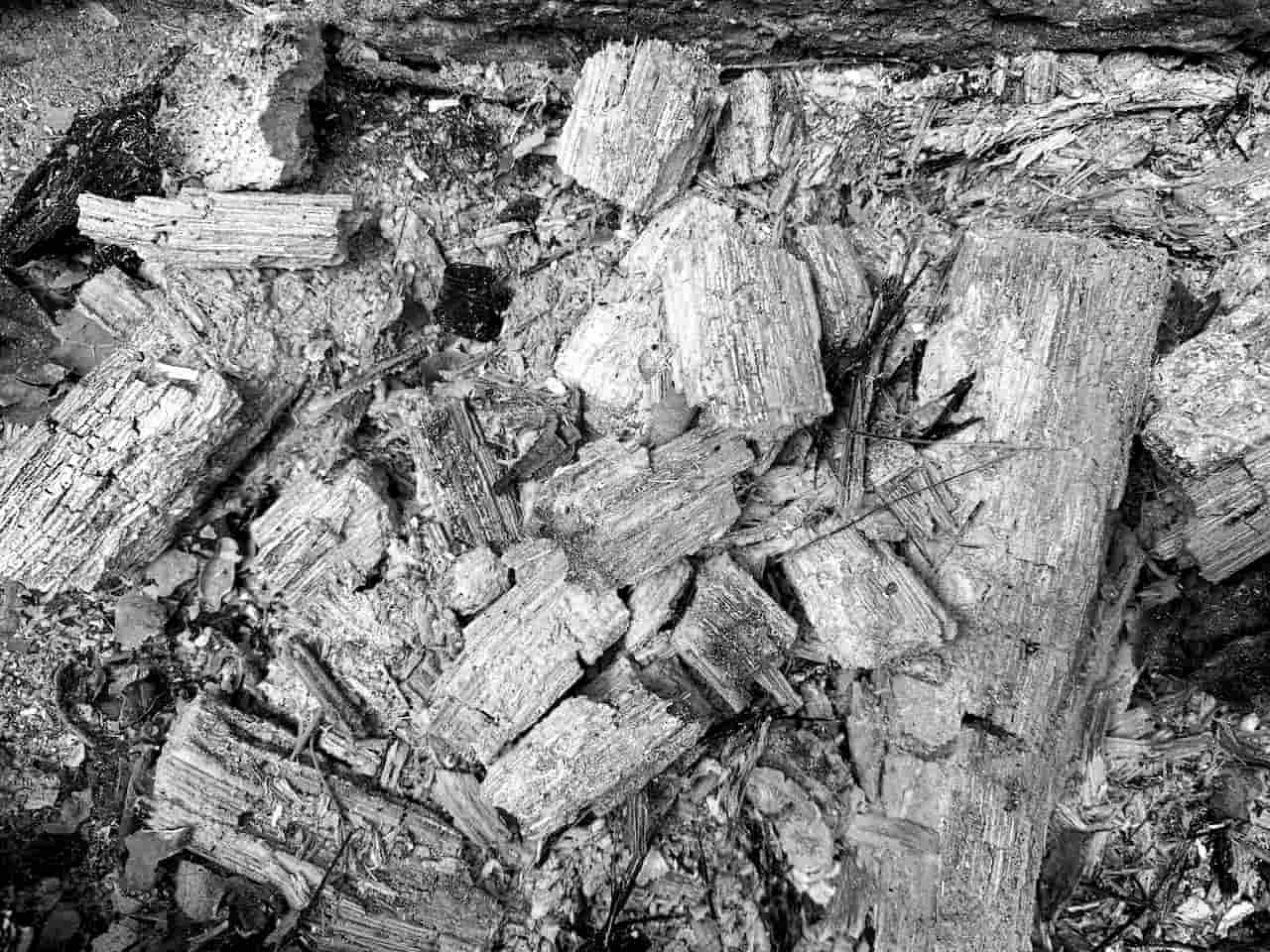
The nutrient content of wood ash varies with the species burned, the completeness of combustion and whether softwood or hardwood was used. Hardwood ash from oak, ash and beech contains more potassium and calcium than softwood ash from pine or larch, and completely burned ash from a hot fire contains more soluble nutrients than partially burned or charcoal-heavy ash from a slow, smouldering fire. As a general guide, clean hardwood ash contains approximately 5-7% potassium oxide (K2O), 25-45% calcium carbonate equivalent (the liming component), 1-2% phosphorus, and trace levels of magnesium, sulphur, boron and manganese. The potassium is immediately water-soluble and available to plant roots, unlike the slowly-releasing potassium in some rock mineral fertilisers.
Wood ash contains no nitrogen – nitrogen is lost as gas during combustion. This is an important distinction from a complete fertiliser: wood ash can supplement potassium and calcium on a plot but cannot substitute for a nitrogen source. On a productive vegetable plot, wood ash works best as a component of a broader fertility programme alongside garden compost, well-rotted manure or a balanced organic fertiliser that provides the nitrogen that wood ash lacks. The water-solubility of the potassium in wood ash means that nutrients leach out relatively quickly in rain, which is why application timing matters – applied in winter rain it is largely washed through the soil before spring crops can use it. This also means wood ash should not be incorporated into a compost heap before the compost is mature, as the alkalinity can disrupt the decomposition process and the potassium leaches out before the finished compost is applied.
Where to Use It and Which Crops Benefit
Brassicas – cabbages, kale, Brussels sprouts, broccoli, cauliflower – are the classic beneficiaries of wood ash on a UK allotment, and this is not coincidental. Brassicas prefer slightly alkaline conditions (pH 6.5-7.5) and have a high potassium requirement that wood ash directly addresses. The alkaline effect also reduces the viability of clubroot spores in the soil, which is a genuine practical benefit on plots where this persistent disease is present. Apply wood ash to brassica beds in late winter or early spring at around 100-150g per square metre, raked lightly into the surface, two to three weeks before planting. Fruit trees – apples, pears, plums – respond well to wood ash applied as a surface dressing around the drip line in late winter, where it supplements potassium for fruit development through the season.
Wood ash is an effective slug deterrent when dusted around vulnerable transplants. Slugs dislike crossing dry ash – the alkaline, abrasive texture irritates their bodies. Apply a ring of ash around newly planted brassicas, lettuces or other vulnerable transplants and reapply after rain. This is a temporary deterrent rather than a long-term solution, but it provides useful short-term protection in the critical establishment period immediately after planting when slug damage is most likely to set plants back significantly.
Where Not to Use It
Potatoes are the most important crop to exclude from wood ash application, and this is a point where many gardeners go wrong. The alkaline conditions created by wood ash encourage the development of potato common scab – a fungal disease that produces corky, scabbed patches on the skin. Scab does not affect eating quality significantly but it is cosmetically unpleasant and reduces storage life. Never apply wood ash to potato beds or dig it in before planting potatoes. Similarly, avoid applying wood ash to any bed where acid-loving plants are growing or are planned: blueberries require a soil pH of 4.5-5.5, and wood ash applied anywhere near them will raise pH into a range where they cannot absorb iron and other micronutrients, causing progressive yellowing and decline even in an otherwise well-managed plot.
Seedlings and young transplants with small, tender root systems are also vulnerable to the concentrated alkalinity of freshly applied wood ash. Do not dust ash around seedlings or apply it to a seed bed in the weeks immediately before or after sowing. The same caution applies to mixing wood ash directly with other fertilisers before application – combining wood ash with nitrogen fertilisers causes a chemical reaction that releases ammonia gas, wasting the nitrogen and reducing the effectiveness of both amendments. Apply wood ash separately, either several weeks before or after other fertilisers, to avoid this interaction. It is also worth noting that the pH effects of wood ash are cumulative and relatively slow to reverse – if you have applied it regularly to a bed for several years and the pH has crept above 7.0, switching to an acidifying fertiliser and being patient while the pH gradually adjusts is the correct response, not applying a large amount of sulphur in one go to force a rapid correction.
How and When to Apply Wood Ash
Spring is the best time to apply wood ash to vegetable beds – applied in late February or March on most of the UK, it has two to three weeks to incorporate before planting and the nutrient flush reaches plant roots as growth begins. Winter application is less effective because the water-soluble potassium leaches out of the root zone in winter rainfall before plants can access it. Store collected ash in a dry location – a sealed bin, bucket with lid, or strong bags – to prevent the rain-leaching that removes much of the value before it is applied. Never store ash in paper sacks, which disintegrate quickly, or in a pile outside where rain directly contacts it. Test soil pH before applying wood ash each year using an inexpensive test kit – this takes only a few minutes and ensures you are not inadvertently raising pH on ground that is already neutral or alkaline. The cumulative effect of annual wood ash applications on the same beds can be substantial over several years, and monitoring prevents an unintentional shift to conditions that favour weeds and disfavour crops.
Only use ash from untreated, unpainted wood. Ash from coal fires, treated timber, MDF, plywood, painted or varnished wood, or waste materials contains heavy metals and other toxins that accumulate in soil and can enter food crops. Wood burner ash from clean, seasoned logs or open fire ash from untreated hardwood logs is safe to use. If in doubt about the source of the wood, do not apply the ash to beds where food is grown.
Share on socials: