At a glance
Compost tea is a liquid extract made by steeping mature compost in water to extract soluble nutrients and, in the aerated version, to multiply the beneficial microbial life it contains. It is used as a soil drench applied directly to the root zone, or as a foliar spray applied to leaf surfaces, where it introduces beneficial bacteria and fungi that support plant health, suppress certain foliar diseases and improve nutrient availability in the soil. The practice has been part of organic growing for decades and has a substantial body of research and practical experience behind it, particularly in the context of reducing reliance on synthetic fertilisers and pesticides in allotment and kitchen garden settings.
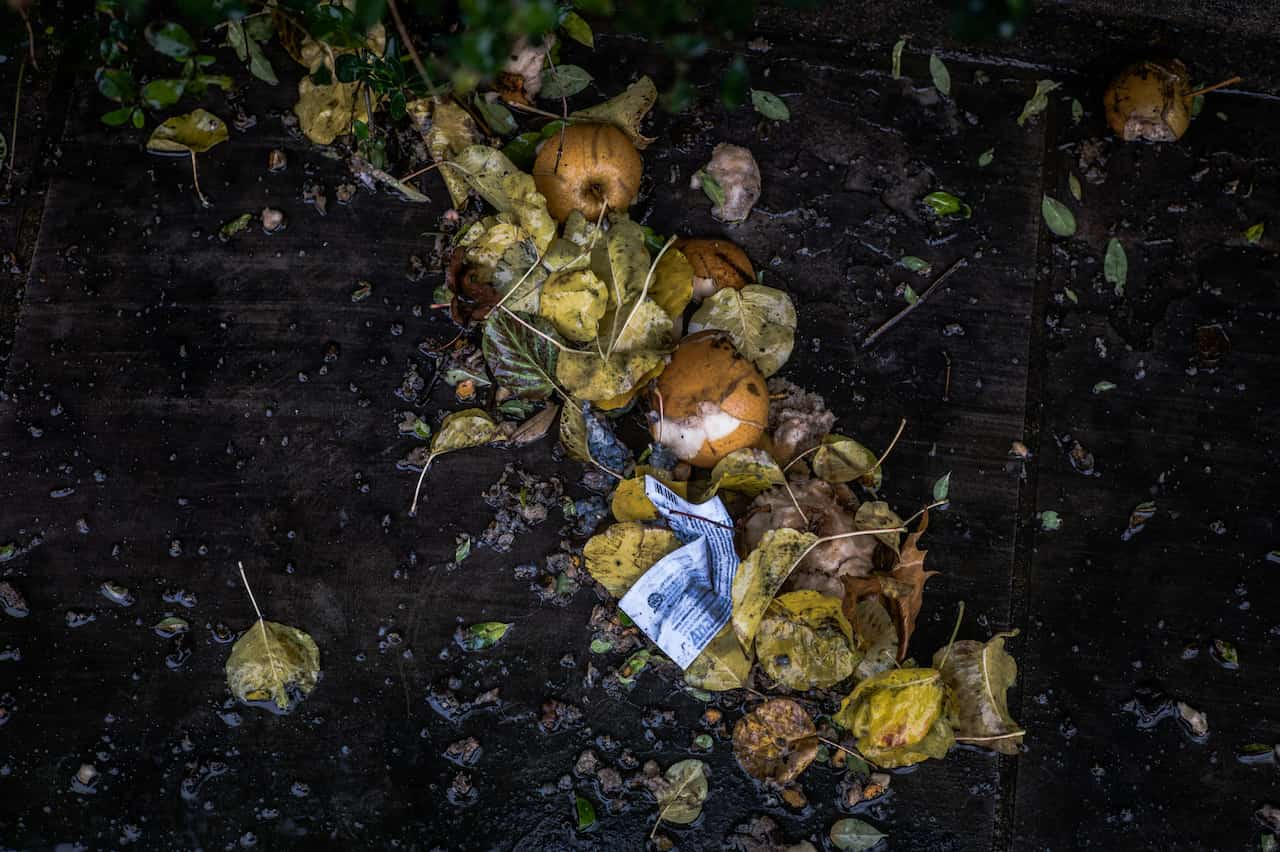
The benefits of compost tea are closely linked to the quality of the compost used to make it. Poor, immature or inadequately decomposed compost produces a tea that may contain pathogens rather than beneficial microbes, and applying it to edible crops in this state carries a real food safety risk. The foundational requirement for making safe, effective compost tea is starting with well-made, fully mature compost that has been through a complete hot composting cycle – dark, crumbly, earthy-smelling material that shows no recognisable original plant matter. Immature green compost, shop-bought growing media or peat-based composts are not suitable starting materials for compost tea production. If you do not have a reliable supply of properly finished homemade compost, well-rotted farmyard manure or worm castings are acceptable alternatives – worm castings in particular produce an exceptionally biologically rich tea and are worth sourcing specifically for this purpose.
What Compost Tea Is and What It Does
The primary value of compost tea for UK growers is not primarily as a nutrient source – the nutrient concentration in a typical compost tea is lower than a commercial liquid feed and should not be treated as a substitute for a proper fertilisation programme. Its value lies in the biological content: the beneficial bacteria, fungi, protozoa and nematodes that a well-made aerated compost tea contains in significant concentrations. Applied to soil, these organisms interact with plant roots to improve nutrient cycling, enhance soil structure and compete with disease-causing organisms. Applied to foliage, beneficial bacteria colonise the leaf surface and create a competitive environment that suppresses fungal diseases including powdery mildew, botrytis and early blight on susceptible crops like tomatoes, courgettes and soft fruit.
The research on compost tea is genuinely mixed – some studies show significant benefits for disease suppression and plant growth, others show minimal effects. The most consistent findings relate to foliar application for disease suppression on crops already in active growth, and to improving biological diversity in soils that have been repeatedly treated with broad-spectrum pesticides or fumigants that have stripped out native soil biology. For UK allotment and kitchen garden growers using mostly organic methods on well-composted soil, the benefits are likely to be incremental rather than transformative. Compost tea is a useful addition to a good growing programme, not a substitute for one. It works best as part of a broader approach to building soil health that includes adding compost directly to beds, avoiding compaction, and minimising use of synthetic inputs that disrupt soil biology.
Simple Non-Aerated Method
The simplest method of making compost tea requires nothing more than a bucket, mature compost and water. Fill a bucket or watering can with rainwater or tap water that has been allowed to stand for 24 hours to off-gas the chlorine, which would kill the beneficial bacteria in the finished tea. Add a hessian or mesh bag filled with mature compost at a ratio of roughly one part compost to five parts water. Leave to steep for 24-48 hours, stirring occasionally. Strain out the solids through a piece of old hessian or a fine mesh strainer, and use immediately – non-aerated tea is at its most biologically active within a few hours of preparation and should not be stored.
Aerated Compost Tea (ACT)
Aerated compost tea introduces a continuous air supply throughout the brewing process, which dramatically increases the population of aerobic (oxygen-loving) beneficial bacteria and fungi. These are the organisms most beneficial to plant growth – anaerobic bacteria, which proliferate in non-aerated tea, are less beneficial and can include pathogens. The aeration is typically provided by an aquarium air pump connected to airstone diffusers submerged in the brewing bucket, running continuously for 24-36 hours. Adding a microbial food source – typically unsulphured blackstrap molasses at 5-10ml per litre of water – provides the carbon that aerobic bacteria multiply on rapidly during the aeration period.
The result of an active aeration brew is a tea that is visibly more biologically active – it froths slightly at the surface, has a pleasant earthy or slightly sweet smell, and should show a clear colour change from the original water. This is significantly more effective for foliar disease suppression than the simple steep method, because the microbial population is genuinely large enough to colonise leaf surfaces and outcompete disease organisms. A basic aquarium pump, two or three airstones, and flexible tubing produce adequate aeration for a 10-20 litre batch. The equipment costs less than £20 in total and can be reused indefinitely. Brew for 24-36 hours – extending beyond 36 hours does not improve the tea further and may allow the microbial population to decline as food sources are exhausted. Use immediately after the aeration period ends, within four hours, before the population begins to crash as oxygen is depleted.
Add seaweed extract or liquid kelp to aerated compost tea for additional plant growth hormones. Seaweed contains natural cytokinins and auxins that stimulate root development and improve stress tolerance in plants. Adding 5-10ml of seaweed extract per litre of brewing water alongside the molasses produces a more complete biological and nutritional tea than molasses alone. This combination is particularly effective applied to transplants and newly germinated seedlings where root establishment support is most beneficial.
How and When to Apply Compost Tea
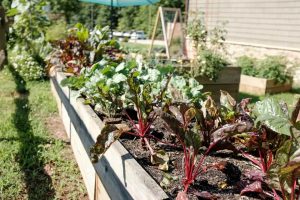
Compost tea can be applied either as a soil drench – poured directly around the base of plants to introduce beneficial organisms into the root zone – or as a foliar spray applied to leaf surfaces. For soil drenching, apply undiluted or diluted 1:1 with water directly to moist soil around plants. For foliar application, dilute to 1:10 with water and apply with a fine-nozzle sprayer, covering both the upper and lower surfaces of leaves. Apply in the early morning or evening – midday application in strong sun damages the organisms in the tea before they have a chance to establish on the leaf surface and reduces effectiveness significantly.
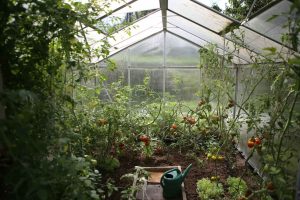
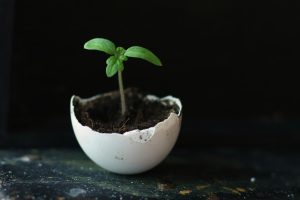
The most productive use of compost tea in a UK kitchen garden or allotment is as a regular weekly foliar spray on crops susceptible to fungal disease – tomatoes, courgettes, cucumbers, gooseberries and roses all benefit from preventive applications during the growing season. Starting applications before disease pressure appears, rather than after symptoms are visible, makes a significant difference to effectiveness. Compost tea suppresses fungal spore germination and colonisation by outcompeting the pathogens for leaf surface real estate – it cannot reverse established disease once lesions have formed. For transplanted seedlings, a soil drench of compost tea applied immediately after planting reduces transplant shock by introducing mycorrhizal fungi and beneficial bacteria that colonise the root zone rapidly and improve nutrient uptake in the critical establishment period.
Never apply compost tea made from immature or diseased compost to edible crops. Compost that has not fully composted may contain E. coli, Salmonella and other human pathogens, particularly if animal manures were included in the pile. Only use fully finished, hot-composted material for compost tea production, and apply to the soil rather than directly to edible leaf surfaces wherever possible. When applying as a foliar spray to crops where the leaves are eaten directly – lettuces, kale, herbs – allow at least two weeks between the last application and harvest.
Share on socials: