How to Fix Cracks in Walls UK
Types of wall cracks and what they mean
Wall cracks in UK homes are extremely common. Most are cosmetic and caused by normal seasonal movement of the building as materials expand and contract with temperature and humidity changes. A small number are indicators of more serious structural problems. Knowing the difference before reaching for the filler is important.
Hairline cracks – fine surface cracks less than a millimetre wide – are the most common type and almost always cosmetic. They typically occur in plaster as it dries after decoration, at plasterboard joints, or along the edges of ceiling and wall junctions. They are easily filled and pose no structural concern.
Wider cracks up to 5mm across in a single location are usually caused by differential movement – one part of the wall or ceiling moving relative to another. These may be due to timber joists or roof members shrinking as they dry out in a heated house, or minor foundation settlement in older properties. They fill and paint well but may reappear if movement continues.
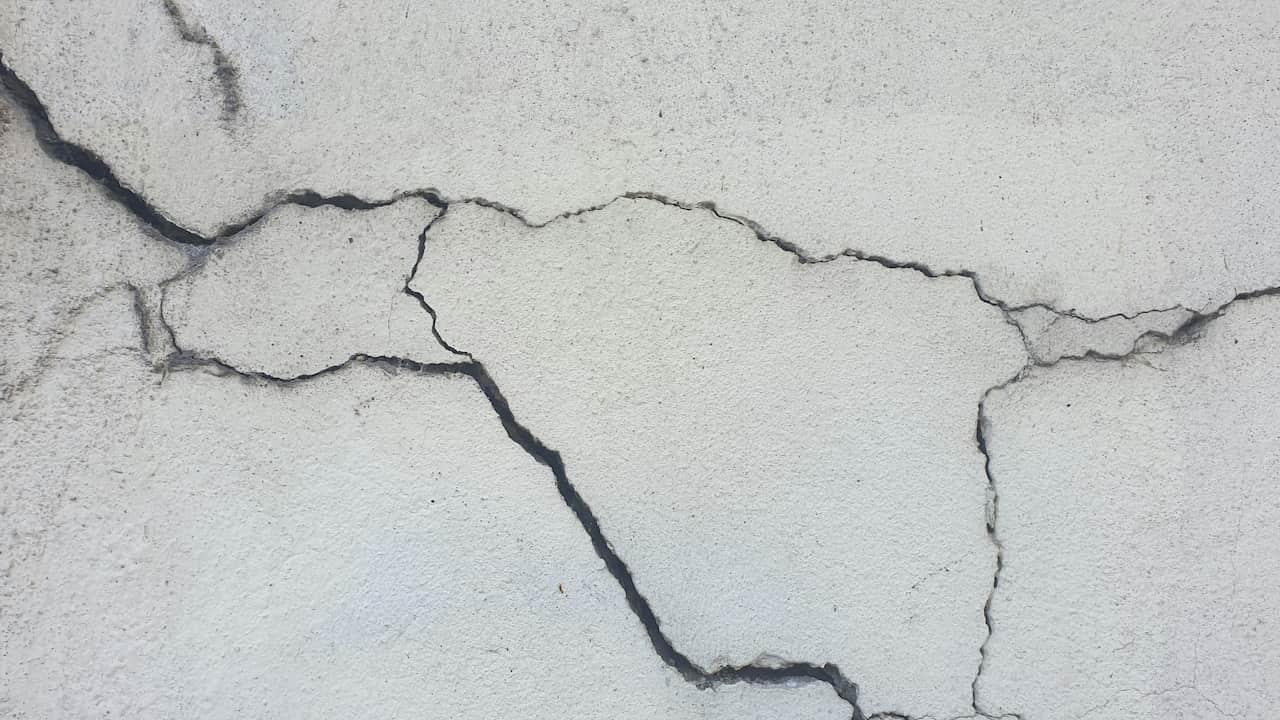
Cracks wider than 5mm, particularly if diagonal and located above door or window openings, warrant closer examination before filling. These patterns can indicate structural movement that needs professional assessment.
When to be concerned about wall cracks
Most wall cracks are nothing to worry about. The crack patterns that do warrant professional investigation include: cracks that run diagonally from the corners of door or window frames, cracks that are wider at one end than the other (tapering cracks), cracks through masonry or brickwork rather than just plaster, cracks that reappear quickly after being filled, and cracks accompanied by doors or windows becoming difficult to open or close.
If you notice any of these patterns, particularly in combination, it is worth having a structural engineer or chartered surveyor assess the property before undertaking any repair work. In many cases the verdict will be minor historic movement that has since stabilised and requires nothing more than cosmetic repair. But identifying active versus stable movement before filling is important.
A simple way to monitor a crack before deciding whether to investigate further is to mark its ends with pencil and date it. Check again in three months. If the crack has extended or widened, it is active and needs professional assessment. If it is unchanged, it is stable and safe to fill.
Cracks associated with damp patches or staining are more likely to indicate a water ingress problem than structural movement. Filling the crack without addressing the source of damp will result in the repair failing within months. Investigate the cause of any damp before repairing associated cracks.
Fixing hairline cracks
Hairline cracks are the simplest to repair. The most effective approach for very fine surface cracks is to brush them out with a stiff brush to remove any loose material, then apply a coat of stabilising primer or diluted PVA glue (1 part PVA to 5 parts water) and allow to dry. Then apply ready-mixed filler with a filling knife, forcing it into the crack and drawing the knife across the surface to leave the filler slightly proud. Once dry, sand lightly to a smooth finish and paint.
For hairline cracks at ceiling-wall junctions or along plasterboard joints, decorator’s caulk is often a better choice than rigid filler. Caulk remains slightly flexible after drying and is less likely to crack again as the structure moves. Apply with a cartridge gun, smooth with a damp finger and paint once skinned over.
Fixing wider cracks in plaster
Cracks wider than 2-3mm need more preparation before filling. Use a cold chisel or the corner of a filling knife to open the crack slightly into a V-shape profile – wider at the front than the back. This gives the filler a mechanical key to grip. Brush out all loose material and dust thoroughly.
Dampen the crack with water or diluted PVA before applying filler. This prevents the dry plaster from sucking moisture out of the filler too quickly, which would cause it to shrink and crack as it dries. Apply filler in layers no more than 6mm deep at a time, allowing each layer to dry before the next. For deep cracks, the first layer can be a bonding coat of plaster or multi-finish; the final layer should be ready-mixed filler sanded smooth.
Once fully dry (allow 24 hours minimum for ready-mixed fillers in normal room conditions), sand with fine-grade sandpaper and finish with a coat of mist coat before painting. A mist coat (diluted emulsion at roughly 3 parts paint to 1 part water) seals the filler and prevents it showing through the final coat.
Cracks in plasterboard
Plasterboard walls and ceilings crack most commonly at the taped joints between boards. This happens because the joint tape lifts or the boards move independently. To repair properly, use a sharp knife to cut away any lifting tape, apply joint compound, embed new tape and feather the edges with additional compound applied in thin layers. Sand smooth when fully dry.
For cracks through plasterboard itself rather than at joints, the repair is similar: taper the edges with a knife, apply joint compound or filler, allow to dry and sand. If the crack is accompanied by the board flexing when pressed, the fixing screws behind it may have pulled out or the timber framework may have moved. In this case, add new screws to re-fix the board before filling the crack.
Cracks from movement and settlement
In areas where a building moves seasonally – around chimney breasts, at the junction of extensions with original structures, near large trees – cracks tend to reappear after filling because the movement that caused them continues. In these locations, a flexible filler or decorator’s caulk that can accommodate slight movement is essential.
If cracks reopen repeatedly in the same location despite correct filling technique, consider whether the underlying cause can be addressed. Cracks at chimney breasts may be related to the chimney stack settling – a structural engineer’s assessment is worth the cost. Cracks near trees may be related to root activity affecting foundations, particularly on clay soils during dry summers.
Finishing and painting over filled cracks
The most common reason filled cracks show through fresh paint is skipping the priming step. Filler is far more absorbent than the surrounding plaster and will draw paint in unevenly, leaving a visible shadow even after two coats. Always apply a coat of primer or mist coat over filled areas before the finish paint.
Feathering the filler edges carefully makes a significant difference to the final result. A filled crack with sharp edges shows through paint even when primed; one where the filler is gradually tapered into the surrounding surface disappears completely. Use the filling knife at a low angle to blend the edges, and finish with very fine sandpaper before priming.
In rooms with textured or patterned walls, matching the existing texture over a filled crack is the hardest part of the job. A rough texture can be approximated by stippling wet paint with a sponge or brush; fine texture with a dry roller. Getting an exact match is rarely possible, so in older textured rooms, repainting the entire wall rather than spot painting is the only way to achieve an invisible repair.
Crack type guide
Fixing wall cracks is one of the most satisfying DIY jobs – simple, inexpensive, and with results that make a room look significantly better within an afternoon. The key disciplines are identifying the crack type correctly before filling, preparing the surface thoroughly, and not skipping the priming step before painting. Done correctly, a filled crack is completely invisible under fresh paint.
Share on socials: