At a glance
Damp walls are estimated to affect around 1 in 5 UK homes – a figure that reflects the combination of the UK’s wet climate, older housing stock and the particular vulnerability of solid-walled Victorian and Edwardian properties to moisture ingress. The frustrating reality of damp is that the same visible symptom – a damp patch on a wall – can have three entirely different causes, each requiring a completely different treatment. Misdiagnosis is the most common and most expensive mistake UK homeowners make with damp problems.
The three types of residential damp in UK properties are condensation, rising damp and penetrating damp. Each has distinct characteristics, affects different parts of a building and requires a different approach to remedy. Getting the diagnosis right before spending money on treatment is always the correct starting point.
The three types of damp in UK homes
| Type | Location | Season | Signs | Cause |
|---|---|---|---|---|
| Condensation | Any wall, especially cold or north-facing | Worse in winter | Black mould spots, moisture on windows, musty smell | Warm moist air hitting cold surfaces |
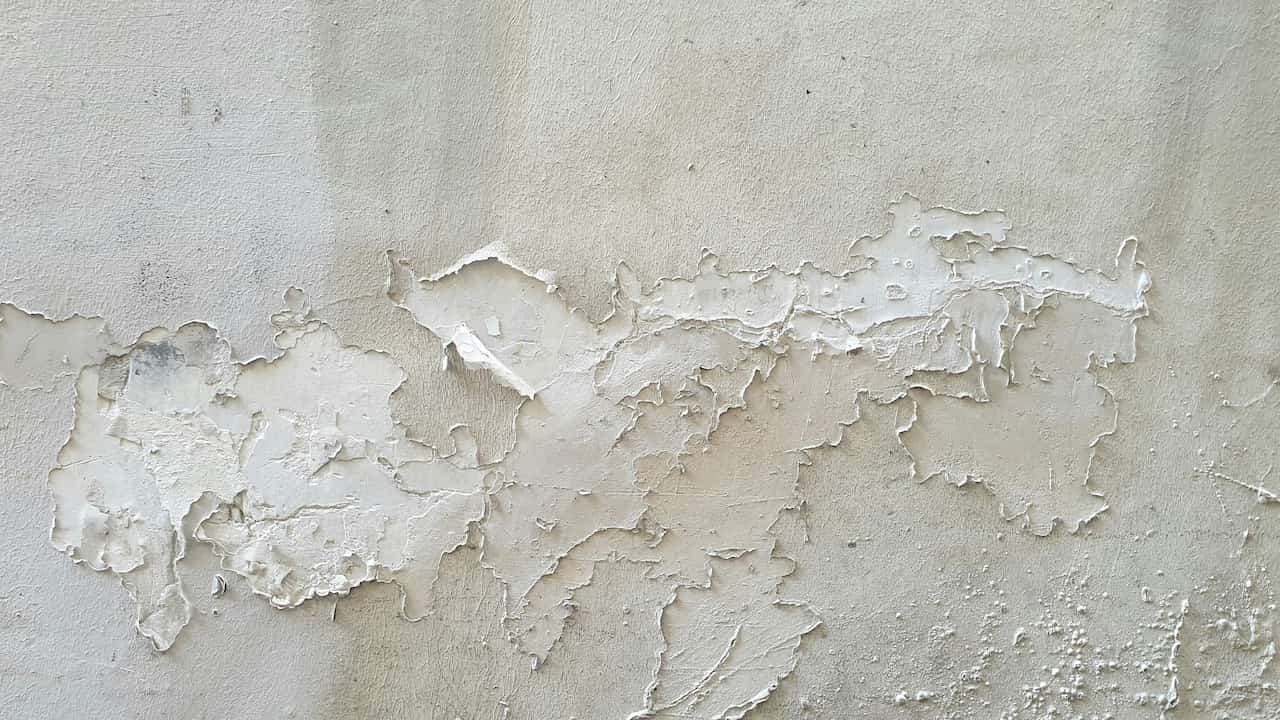
| Rising damp | Ground floor only, near base of walls | Year round | Tide mark staining, white salt deposits, peeling wallpaper low down | Ground moisture rising through walls without effective DPC |
| Penetrating damp | Any external wall, often localised patches | Worse after rain | Damp patches that appear or worsen after rainfall, no tide mark | Water entering through defect in the building fabric |
Be very cautious about damp surveys from specialist damp-proofing companies. Several consumer organisations have documented cases of companies misdiagnosing condensation as rising damp and recommending expensive chemical injection treatments that are unnecessary. An independent surveyor’s opinion is worth getting before commissioning any treatment costing more than a few hundred pounds. Many cases diagnosed as rising damp by damp-proofing companies are actually condensation or penetrating damp.
How to diagnose which type you have
The diagnosis process is methodical rather than guesswork:
- 1Tape polythene to the damp areaSeal a 30cm square piece of polythene to the wall with tape, creating an airtight seal. Leave for 48-72 hours. If moisture appears on the room-side surface of the polythene, the damp is coming from condensation in the room. If moisture appears on the wall-side surface, it is coming through the wall from outside or below.
- 2Check the location and heightRising damp is physically limited by capillary action – it rarely rises above 1-1.5 metres from ground level. If damp is present above this height it cannot be rising damp regardless of what any survey says. Penetrating damp patches appear and grow after rainfall. Condensation is worst in cold weather regardless of rain.
- 3Look for the source externallyWalk around the exterior of the building and inspect the area corresponding to the internal damp patch. Cracked render, failed pointing, damaged gutters, missing flashing or debris-blocked cavities above the damp area are all indicators of penetrating damp.
Fixing condensation damp
Condensation is by far the most common type of damp in UK homes and the most straightforward to address – though it requires behavioural and physical changes rather than a single treatment.
- Improve ventilation – open windows daily, use extractor fans in kitchens and bathrooms during and after cooking or showering, and ensure these fans vent to outside rather than into roof voids
- Increase heating – cold surfaces attract condensation; maintaining a more consistent background temperature significantly reduces condensation risk on external walls
- Reduce moisture sources – dry clothes outdoors or in a vented tumble dryer rather than on indoor airers, use lids on cooking pans, ensure tumble dryers are externally vented
- Treat mould with fungicidal wash – clean existing black mould with a proprietary fungicidal wash rather than bleach (bleach kills the surface mould but not the spores). Repaint with anti-condensation or mould-resistant paint
- Install positive pressure ventilation – in severe cases, a whole-house positive pressure ventilation unit (PIV) installed in the loft continuously introduces fresh filtered air, maintaining slight positive pressure that prevents condensation-triggering cold air infiltration
Fixing rising damp
True rising damp – ground moisture rising through walls due to a failed or absent damp proof course – requires professional treatment in most cases. The standard treatment is injection of a water-repellent chemical DPC into the mortar course, followed by re-plastering with salt-resistant render. This is a significant job that disrupts decoration internally and should be undertaken only after confirmed diagnosis.
Before treating rising damp, check that bridging of the existing DPC is not the actual cause. Many cases of apparent rising damp in UK homes are caused by a raised external ground level, a flower bed or garden soil piled against the wall, or external render bridging the existing DPC – all of which bypass a functioning damp proof course. Lowering the external ground level or clearing soil away from the wall base sometimes resolves the problem at no cost before any treatment is needed.
Fixing penetrating damp
Penetrating damp is caused by water entering through a defect in the building fabric. The fix is always to find and repair the defect – treating the internal wall without addressing the source simply delays the problem returning.
- Repoint failed mortar joints – the most common cause of penetrating damp in older UK properties. Rake out crumbling mortar and repoint with appropriate mortar
- Repair or replace damaged render – cracked render allows water behind and can cause significant damp patches
- Fix gutters and downpipes – blocked or leaking gutters cause water to run down the wall face. Read our guide on how to fix a leaking gutter UK for detail
- Repair or replace failed flashing – flashing around chimneys, dormers and roof-wall junctions fails over time and allows water direct entry
- Apply external waterproof coating – for solid-walled properties that are persistently damp through the wall, a breathable silicone-based waterproofing treatment applied externally is effective
As an Amazon Associate I earn from qualifying purchases. Prices correct at time of publishing.
Typical treatment costs UK 2025
| Treatment | Typical cost | Notes |
|---|---|---|
| Condensation – improved ventilation (PIV unit) | £500-1,000 installed | Includes loft unit and installation |
| Chemical DPC injection (rising damp) | £800-3,000+ | Depends on wall length and re-plastering required |
| External repointing (penetrating damp) | £500-2,500 | Depends on area and access |
| External waterproof coating | £300-800 per elevation | DIY options available |
| Gutter and downpipe replacement | £200-600 | Per run |
Damp walls are fixable in every case – the key is correct diagnosis before spending money on treatment. Get the type of damp right, address the source rather than just the symptom, and in many cases the fix is simpler and cheaper than a damp-proofing company survey would suggest. For more home repair guides read our articles on how to fix a leaking roof UK and how to plaster a wall UK.
As an Amazon Associate I earn from qualifying purchases. Prices correct at time of publishing.
Share on socials: