At a glance
The most effective approach to cutting home energy bills is not finding one big silver bullet but stacking a series of targeted improvements across every room in the house. Each measure makes a modest individual contribution – switching to LED lighting saves a few pounds per bulb per year, insulating a hot water cylinder saves £40-60 annually, installing a smart thermostat saves £75-150 – but applied consistently across every room and system in the home, the combined effect is substantial. A UK household that works methodically through the room-by-room measures in this guide can realistically reduce energy bills by £150-600 per year depending on starting point and how many measures are already in place.
The sequencing matters. Some measures cost nothing and deliver immediate savings – turning off appliances at the wall, reducing shower time, fitting draught excluders – while others require upfront investment with a longer payback period. This guide identifies the free or near-free quick wins in every room alongside the higher-investment measures that deliver the best long-term return, so you can act on the cheapest changes immediately while planning the bigger interventions around budget and priority.
Kitchen
The kitchen is typically the highest energy-consuming room in a UK home outside the boiler room, combining significant cooking appliance loads with refrigeration running 24 hours a day, hot water use and often a tumble dryer or dishwasher. The good news is that a high proportion of kitchen energy use is directly controllable through behaviour rather than requiring equipment investment.
Fridge and freezer temperature settings are one of the most overlooked kitchen energy factors. Many UK households run their fridges colder than necessary – a fridge at 3-5°C and a freezer at -18°C are the recommended settings for food safety and energy efficiency. Every degree colder adds approximately 5% to the appliance’s running cost. Keep the fridge coils at the back clear of dust and ensure door seals are in good condition – a worn seal allows cold air to escape continuously. Replacing a fridge or freezer over 10-15 years old with a modern A-rated equivalent typically reduces the appliance’s energy consumption by 40-60%.
Cooking efficiently saves more energy than most people expect. Using the right-sized ring for the pan, keeping lids on pots during cooking, using a microwave or air fryer for small quantities rather than a full oven, and avoiding unnecessary oven preheating – modern fan ovens rarely need it – can reduce cooking energy use by 20-30%. The dishwasher, when full, uses less water and energy than washing up by hand; running it on an eco programme rather than an intensive wash makes a further saving. Washing machine loads at 30-40°C use significantly less energy than 60°C cycles for all but heavily soiled items.
Bathroom
The bathroom is responsible for a significant share of a UK household’s hot water consumption, which in turn represents around 20-25% of total energy bills for a gas-heated home. The single most impactful behavioural change in the bathroom is reducing shower time: cutting the average shower from 8 minutes to 4 minutes saves approximately £70 per person per year on a typical tariff. Fitting a water-efficient showerhead that aerates the flow – maintaining the sensation of pressure while using less hot water – reduces consumption further without requiring any change in shower duration.
If the property has a hot water cylinder rather than a combi boiler, insulating it with a proper cylinder jacket (not just a thin sleeve) is one of the best-value energy investments in the home – typically costing £20-30 and saving £40-60 per year with a payback period of under six months. The hot water thermostat on the cylinder should be set to 60°C – high enough to prevent Legionella, not higher. Every 10°C above 60°C adds approximately 5% to the cylinder’s running cost. Extractor fans left running long after a shower has finished waste energy continuously; a timer or humidity-sensing replacement costs £15-40 and pays back within the year.
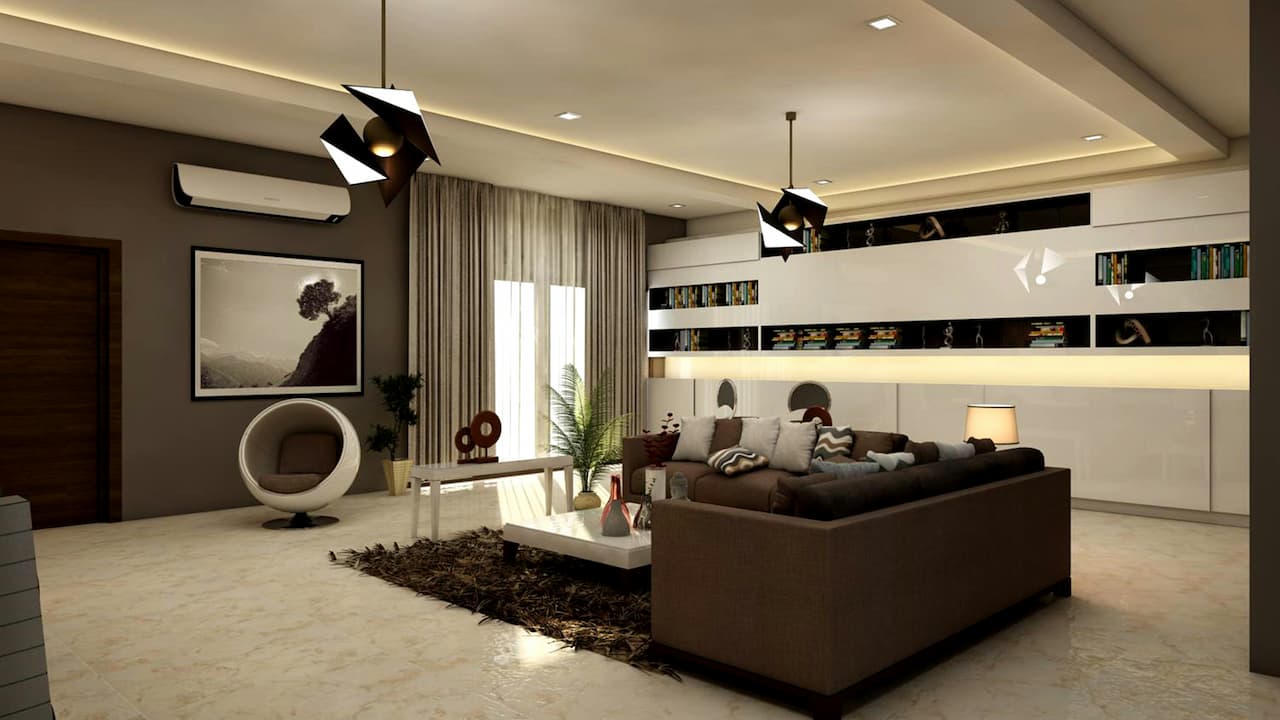
Living room
The living room typically combines the highest appliance standby load in the house – television, set-top box, games console, soundbar, streaming devices – with the most-used radiator and the largest window area. Each of these represents an energy saving opportunity. Standby power is frequently underestimated: a modern television on standby uses a fraction of what older CRT televisions used, but a set-top box left on 24 hours a day can use 10-15W continuously – equivalent to leaving a light on all the time. A smart power strip or smart plug that cuts power to the whole entertainment stack when the television is turned off eliminates this waste at essentially zero cost once the device is purchased.
Radiator reflector panels fitted behind radiators on external walls redirect heat that would otherwise conduct through the wall back into the room. They cost £15-30 per radiator and are self-adhesive. The effect is modest in highly insulated modern homes but meaningful in older properties with solid or poorly insulated external walls. Closing curtains at dusk in winter reduces heat loss through windows significantly – a single-glazed window loses roughly 10 times more heat than an insulated wall of the same area, and good thick curtains reduce this by 40-50%. On very cold nights, secondary glazing film applied to the interior of single-glazed windows reduces heat loss further at minimal cost.
Bedroom
The bedroom is often the room where heating is least necessary yet most frequently wasted. A bedroom heated to the same temperature as a living room throughout the night uses substantially more energy than one with the radiator turned down or off and adequate bedding. The human body is an effective heat source under a duvet – a good quality tog-rated duvet appropriate for the season reduces the heating required to maintain comfortable sleep temperature significantly. UK sleep guidance suggests a bedroom temperature of 16-18°C for most adults, compared with 20-21°C for living spaces. A thermostatic radiator valve set to 2 or 3 (approximately 16-18°C) rather than 5 (maximum) saves energy on every cold night throughout the heating season.
Chargers and small electronics left plugged in overnight continue to draw power even when the device is fully charged or not connected. The individual draw of a single charger is small but across a household with multiple devices the cumulative standby load adds up. A habit of switching off at the wall or using a smart power strip for the bedside charging cluster eliminates this load entirely. If the bedroom has an older electric storage heater, it is worth checking that it is set to store heat on the overnight off-peak tariff rate rather than running on boost during peak hours – the difference in cost between the two periods on Economy 7 tariffs is significant.
Loft, hallway and whole-home measures
Some of the highest-impact energy improvements relate not to individual rooms but to the building fabric and heating system that serve the whole house. Loft insulation is consistently the highest return-on-investment insulation measure available to UK homeowners – a typical detached house loses around 25% of its heat through the roof, and insulating a loft to the recommended 270mm depth costs £300-500 for a professional installation and saves £135-240 per year on average. For eligible households it may be available free through government schemes.
The hallway is the most overlooked draught source in most UK homes. Cold air infiltrating under and around the front door, through the letterbox and around the door frame circulates through the whole house before it can be heated. Fitting a brush-strip or foam draught seal to the front door, a letterbox brush seal and a draught excluder to the base of the door typically costs under £20 in materials and eliminates a meaningful volume of cold air infiltration. The same treatment applied to the rear door doubles the effect. For properties with an open fireplace not in regular use, a chimney balloon or draught excluder inserted into the flue prevents warm air from escaping up the chimney continuously during the heating season.
Check your EPC rating before deciding which improvements to prioritise. An Energy Performance Certificate rates your home from A (most efficient) to G (least efficient) and identifies which measures would have the greatest impact. If your home doesn’t have a current EPC, one can be commissioned for around £60-100. Homes below a D rating typically have several high-return improvements available – the EPC identifies them in priority order.
Share on socials: