At a glance
An eco house is not a specific type of building – it is any home that has been designed or modified to reduce its environmental impact and energy consumption. In the UK, the term covers everything from purpose-built Passivhaus properties with near-zero heating bills to a standard 1930s semi that has had its loft insulated and solar panels installed. The gap between those two ends of the spectrum is enormous in terms of cost and complexity, but the underlying principles are identical: reduce heat loss, reduce energy demand, generate clean energy where possible.
The practical reality for most UK homeowners is that turning an existing property into a genuinely low-energy home is a phased project measured in years rather than a single renovation. The priorities are clear from the data – the biggest energy savings come from reducing heat loss first, then replacing fossil fuel heating, then adding renewables. Getting that sequence right is more important than any individual measure, and it is where most eco home projects go wrong by installing expensive technology on top of a building that is still losing heat rapidly through its walls and roof. Understanding the correct order – and the realistic costs and savings at each stage – is the most useful thing any homeowner can know before starting.
What makes a house eco-friendly
A genuinely eco-friendly home performs well across three areas simultaneously: it loses very little heat, it uses clean energy for what heat and power it does need, and it was built or renovated using materials with low embodied carbon. Most UK homes perform poorly on all three, but the first – reducing heat loss – is always the correct starting point because it reduces the demand that renewable energy systems need to meet.
Insulation – where heat is lost and how to stop it
Heat loss in a typical UK home is not evenly distributed. Understanding where heat escapes most readily determines where insulation investment delivers the best return – and the answer is not always the most obvious one. Roof and ceiling heat loss accounts for the largest single proportion in most uninsulated UK homes, followed by walls, then windows and doors, then floors. Addressing these in order of impact gives the fastest reduction in heating bills for the money spent.
Loft insulation is consistently the highest return eco upgrade available to UK homeowners. A standard loft with 270mm of mineral wool costs around £300 installed and can save £150-200 per year on heating bills – a payback period of under two years. Cavity wall insulation follows closely for homes built between 1920 and 1990 with an unfilled cavity. Solid wall insulation for pre-1920 properties is significantly more expensive (£8,000-15,000) but delivers substantial savings in homes with poor solid wall performance.
Floor insulation is often overlooked but accounts for around 10% of heat loss in an uninsulated home – particularly relevant in older properties with suspended timber floors where cold air circulates freely beneath the boards. Insulating between the joists from above (during a renovation) or below (through a crawl space) is relatively straightforward and inexpensive. Draught-proofing is the cheapest of all measures and disproportionately impactful – a well-fitted draught excluder on a letterbox, external doors and timber floor gaps can reduce heat loss by up to 5% for under £100 in materials.
Insulate before installing renewables. A heat pump installed in a poorly insulated home runs constantly and expensively. The same heat pump in a well-insulated home runs efficiently and cheaply. The Energy Saving Trust consistently reports that every pound spent on insulation delivers more carbon and bill savings than the same pound spent on renewable technology in an uninsulated home. Always insulate first.
Renewable energy options for UK homes
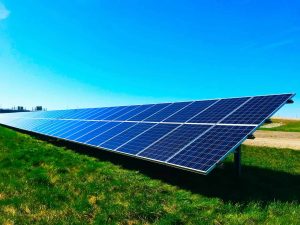
The UK renewable energy market for domestic properties has matured significantly in the past five years. Solar PV, heat pumps and battery storage are now mainstream technologies with established installer networks and maturing finance options. The right combination for any given home depends on the building’s heat demand, roof orientation, available budget and whether there is gas connection to replace.
The Boiler Upgrade Scheme (BUS) currently provides a £7,500 grant toward heat pump installation in England and Wales, which significantly improves the payback calculation for air source heat pumps. The Smart Export Guarantee (SEG) pays homeowners for surplus solar electricity exported to the grid – rates vary by supplier but provide a meaningful additional income stream that reduces solar PV payback periods. Both schemes are subject to change and availability should be confirmed with the relevant authority before committing to installation costs.
An important consideration often missed in renewable energy planning is hot water. A solar thermal system – distinct from solar PV – uses the sun’s heat directly to warm water rather than generating electricity. In a typical UK household, hot water accounts for around 20% of energy use. A solar thermal system can meet 50-70% of annual hot water demand for a cost of £3,000-5,000. For households that use significant hot water and have south-facing roof space, it can be a more cost-effective investment than solar PV for the specific hot water use case.
EPC ratings and what they mean
An Energy Performance Certificate rates a property’s energy efficiency on a scale from A (most efficient) to G (least efficient). The average UK home currently sits at band D, which represents a significant improvement over the G and F-rated stock of twenty years ago but still indicates substantial room for improvement. EPC ratings matter beyond the environmental dimension – they affect mortgage availability, rental legality and resale value, with better-rated homes commanding measurable price premiums in most UK markets.
Moving from EPC band D to band C is achievable in most UK homes through a combination of loft insulation, cavity wall insulation and heating controls upgrades. Moving to band B typically requires additional measures such as double or triple glazing upgrades, underfloor heating or a heat pump installation. Band A is currently rare in the existing housing stock and generally requires either a purpose-built new build or a whole-house retrofit to near-Passivhaus standard.
The practical importance of EPC ratings is growing steadily year on year. From 2025, landlords in England and Wales are subject to increasingly strict minimum EPC requirements, and lenders are beginning to offer preferential mortgage rates for higher-rated properties. For homeowners planning to sell within the next five to ten years, improving an EPC rating from D to C or above is increasingly likely to translate into a meaningful increase in sale price – research suggests buyers are willing to pay a premium of 2-5% for better-rated properties, partly due to lower running cost expectations.
Where to start – priority upgrades by impact
The most common mistake in eco home improvement is pursuing the most visible or aspirational upgrade first – solar panels on a house that still loses 35% of its heat through uninsulated walls. The correct sequence follows the logic of reducing demand before increasing supply. Every pound spent reducing heat loss is worth more than the same pound spent generating clean energy to replace heat that is still escaping.
Government grants and schemes change frequently and it is worth checking current availability before committing to any major upgrade. The Energy Company Obligation (ECO4) scheme provides insulation funding for lower-income households and those on certain benefits. The Boiler Upgrade Scheme covers heat pump installation costs. The Great British Insulation Scheme targets homes in lower council tax bands. Combining available grants with a clear priority sequence makes the eco home upgrade process significantly more affordable than the headline costs suggest, and a qualified energy assessor can identify which measures your specific property would benefit from most.
The honest assessment of eco home improvement in the UK is that the technology and the funding mechanisms both exist to make meaningful progress – what most households lack is a clear plan and the right sequence. Starting with the cheapest, highest-impact measures first (loft insulation, draught-proofing, smart heating controls) generates savings that can fund the more expensive measures that follow. A household that takes a methodical five-year approach to eco upgrades – rather than installing expensive renewables on an uninsulated building – will consistently outperform one that does things in the wrong order, regardless of budget.
Share on socials: