At a glance
Hot water accounts for around 15-20% of a typical UK household energy bill – second only to space heating in terms of energy consumption. Unlike space heating, which varies significantly with the seasons, hot water demand is relatively consistent year-round, which means the savings from reducing hot water usage compound every month rather than just over winter. The good news is that most of the effective measures cost nothing to implement and simply involve changing habits and adjusting settings that many households have never reviewed since moving in. Unlike insulation or boiler replacement, the actions in this guide require no tradespeople and no significant upfront investment.
A household of four people can realistically save £100-200 or more per year through the combined changes in this guide, with no reduction in comfort if the changes are made thoughtfully. Understanding where hot water costs come from is the first step to reducing them, and a smart meter makes it much easier to see the real-time impact of hot water usage on your energy consumption – the in-home display shows visible spikes when a shower, bath or immersion heater is running, giving concrete data on relative costs.
Showers – the biggest saving
Showering is the single largest hot water cost in most UK households, accounting for a third or more of total hot water use. The two variables that matter most are shower duration and water flow rate – and both are easy to change without any reduction in the quality of the shower itself. The average UK shower lasts around eight minutes. Reducing to four minutes halves the hot water used per shower. For a family of four showering daily, that single change saves the equivalent of running a full bath every day in hot water terms.
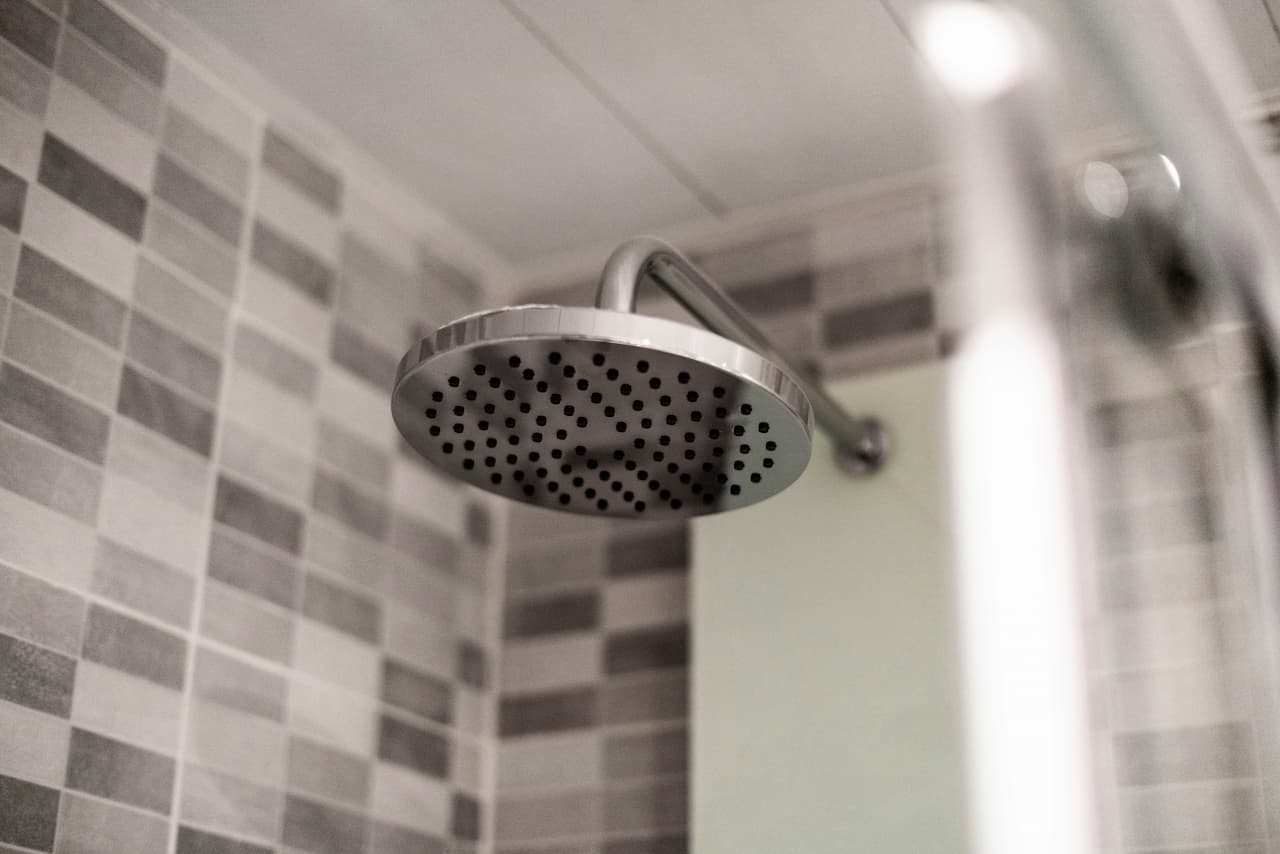
A water-efficient shower head reduces flow rate without reducing perceived water pressure. An eco shower head with a flow rate of 6-8 litres per minute versus a standard shower head at 12-15 litres per minute cuts hot water use by 40-50% with no change in shower duration. This single product change on a family bathroom is one of the best-value home energy improvements available, paying back its purchase cost within a matter of weeks. The two changes combined – four minutes with an eco head – reduce shower hot water use to around a quarter of an eight-minute standard shower and deliver the largest single saving available from any measure in this guide.
A shower timer is more effective than willpower. A simple waterproof shower timer stuck to the wall gives a concrete target. Four minutes feels longer than you expect when you are actually counting. Children in particular respond well to a visible countdown – it turns saving energy into a game rather than a rule.
Boiler and cylinder temperature
The temperature your boiler heats water to has a direct impact on energy consumption. Many boilers are set higher than necessary when first installed and never adjusted. For combi boilers, the hot water temperature is typically set via a dial or digital control – the recommended setting for most households is 50-60°C. Higher than this wastes energy heating water beyond what you need. For homes with a hot water cylinder, 60°C is the minimum safe temperature to prevent Legionella bacteria growth – do not reduce the cylinder thermostat below this level under any circumstances.
If your cylinder is currently set to 70°C or higher, reducing to 60°C cuts the energy used to heat the stored water with no safety risk and no reduction in usable hot water temperature at the tap. The difference between maintaining a cylinder at 70°C versus 60°C is not negligible – the cylinder loses heat continuously through its surface, and a higher target temperature means more frequent and more intensive heating cycles throughout the day and night. The boiler flow temperature – the temperature of water sent to radiators – is a separate setting that also affects overall boiler efficiency. For condensing boiler systems, running at a lower flow temperature improves efficiency, though this requires balancing against the heating demand of the home and the radiator sizes fitted.
Heating schedule and timing
Heating water only when you need it rather than keeping it continuously hot is one of the simplest ways to reduce costs. A programmer or smart thermostat allows the hot water to heat up in advance of when you use it – typically a morning heat cycle timed to finish 30 minutes before your household showers, and an evening cycle if you use hot water heavily in the evenings. Avoiding unnecessary heating cycles during the middle of the day when the household is typically out eliminates a significant proportion of standing heat loss from the cylinder. Most modern boiler programmers allow separate hot water and heating schedules – if yours does, set the hot water programme independently of the space heating to avoid heating water during periods when it is not needed.
Taps and washing up
Dripping hot water taps waste both water and the energy used to heat it. A tap dripping once per second wastes around 15 litres of water per hour. If that is from a hot tap, it represents a continuous drain on both your water and energy bills across every hour of every day. Fixing a dripping tap is a straightforward DIY job in most cases – typically a worn washer replacement costing under £1 – and pays back immediately once completed. A dripping hot tap that runs for a full year wastes thousands of litres of heated water and adds meaningfully to the annual hot water bill.
Washing up by hand using a bowl rather than running the hot tap continuously uses significantly less hot water. Filling a washing up bowl requires around 6 litres compared to a running tap which uses 6 litres per minute – meaning a two-minute rinsing session uses as much hot water as a full bowl of washing up. If you wash up daily, switching from a running tap to a bowl saves thousands of litres of hot water per year at no cost whatsoever.
Pipe and cylinder insulation
Uninsulated hot water pipes lose heat as water travels from the boiler or cylinder to the tap. In older properties with long pipe runs through unheated spaces, this heat loss is significant and accumulates over thousands of journeys per year. Foam pipe lagging is inexpensive – around £1 per metre – and is straightforward to fit around accessible pipes in airing cupboards, under floors and in loft spaces. The installation requires no specialist skills and most of the accessible pipe in a typical home can be lagged in under an hour. Pipe clips hold the foam sleeves in place and the joins are sealed with tape, making it a clean and permanent improvement.
A hot water cylinder jacket – a thick insulating wrap for the cylinder – is one of the best-value energy saving products available. An uninsulated cylinder loses heat continuously through its surface, requiring the boiler to reheat it regularly even when no hot water is being drawn. A British Standard cylinder jacket costs around £20 and pays back within weeks on a continuously heated cylinder.
Modern factory-insulated cylinders do not need a jacket. Cylinder jackets are for older uninsulated cylinders. A modern factory-insulated cylinder already has built-in foam insulation and adding a jacket on top provides minimal additional benefit. Check whether your cylinder is insulated before purchasing – the outer surface of an insulated cylinder will feel only slightly warm, while an uninsulated one feels noticeably hot to the touch.
Washing machines and dishwashers
Modern washing machines heat their own water internally rather than drawing from the hot water supply, so washing at 30°C rather than 60°C reduces the electricity used by the machine rather than the boiler. This is still a meaningful energy saving – washing at 30°C uses around 40% less electricity than 40°C – but it does not directly reduce your hot water bill from the boiler. The saving is real and worthwhile; it simply appears on the electricity side of the bill rather than the gas side. For most everyday laundry, 30°C or 40°C washes clean effectively with a good detergent.
Dishwashers connected to a cold water supply heat their own water internally. Using the eco cycle rather than the intensive or quick wash programmes significantly reduces both water and energy consumption per cycle. Running full loads rather than partial loads is the single most impactful dishwasher habit – a half-full dishwasher uses almost as much energy as a full one. Avoiding the heated drying function and allowing dishes to air dry eliminates a further meaningful energy cost per cycle, and opening the door at the end of the cycle speeds up air drying without any additional energy use.
Monitoring your usage
Understanding your hot water consumption is difficult without data. A smart meter with an in-home display gives a real-time picture of total energy consumption and allows you to see the impact of changes – switching on a shower, running a bath or using the immersion heater all produce visible spikes in the display that give a concrete sense of relative costs. This immediate feedback is one of the most powerful tools available for identifying the biggest hot water costs in your specific household, since usage patterns vary significantly between families and what represents the biggest cost in one household may be a minor factor in another.
The measures above combined – shorter showers with an eco head, correct boiler and cylinder settings, cylinder jacket, pipe insulation and fixing any dripping taps – can realistically deliver savings at the upper end of the £100-200 range for a typical family of four. The individual savings are modest in isolation but add up significantly when applied together, and most of them are permanent improvements that continue paying back year after year without any further effort, maintenance or cost required once in place.
Share on socials: