At a glance
A wood burning or multi-fuel stove is one of the most satisfying home improvements you can make – a genuine focal point that provides real heat, a connection to a traditional way of warming a room, and for many households a meaningful reduction in dependence on gas central heating. But it is also a purchase that involves real regulatory requirements, installation costs and ongoing fuel management that catch out buyers who approach it purely on aesthetics. The stove itself is often the cheapest part of the whole project. The flue liner, installation labour, hearth work and building regulations compliance typically add up to two to three times the cost of the appliance.
The UK stove market has been through significant regulatory change in recent years. Ecodesign 2022 regulations tightened efficiency and emissions standards considerably, and Smoke Control Areas – which cover most UK cities and many larger towns – restrict what can legally be burned and require stoves to hold Defra exemption status. Understanding these rules before buying protects you from purchasing a stove that cannot legally be used where you live. This guide covers every type of stove, every regulation that applies and every cost involved, from the initial purchase through to annual servicing.
Types of stove – wood burning, multi-fuel and pellet
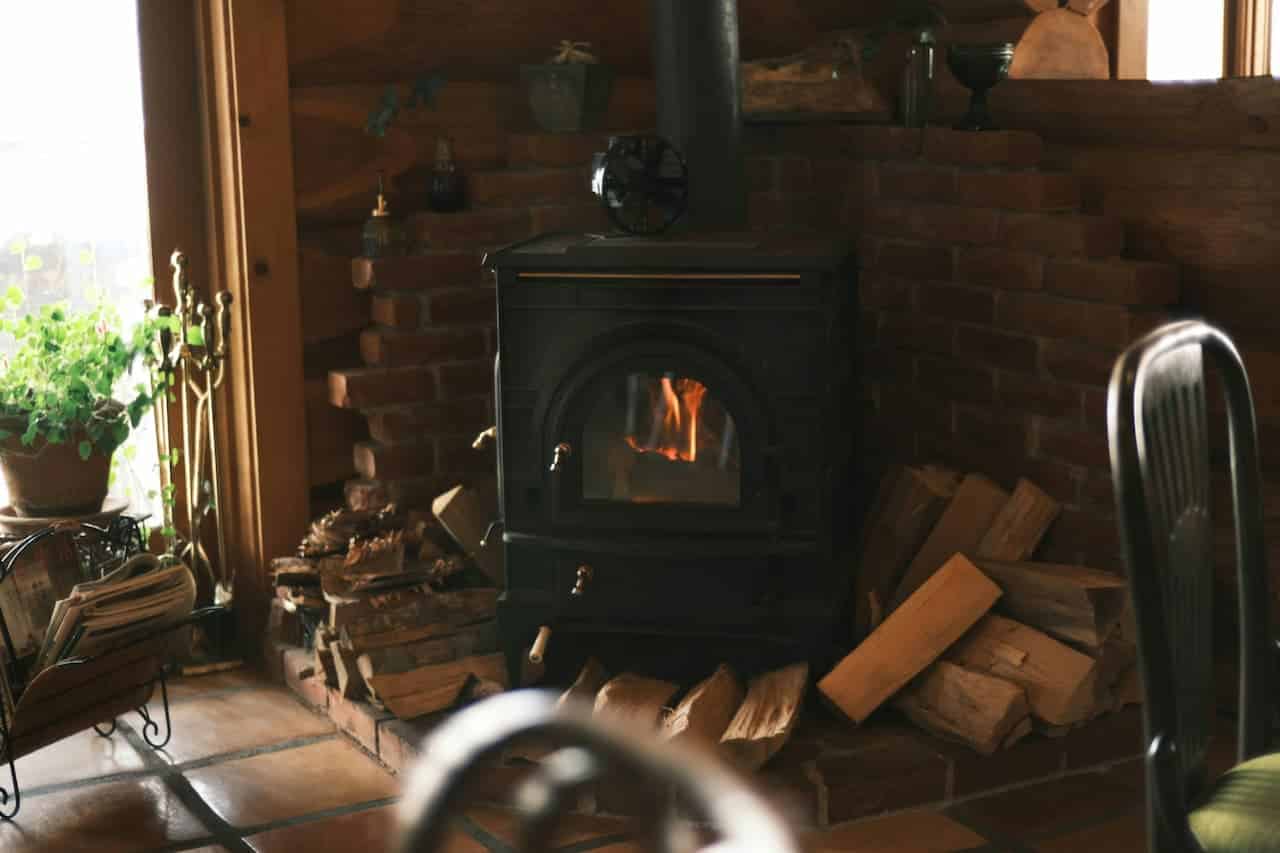
The three main categories of solid fuel stove available in the UK are wood burning stoves, multi-fuel stoves and pellet stoves, and the differences between them go well beyond which fuel they accept. Wood burning stoves are designed specifically for logs and have a flat, solid base with no grate – ash builds up beneath the fire and acts as insulation, maintaining high combustion temperatures. Multi-fuel stoves have a raised grate that allows air to circulate below the fuel bed, which is necessary for burning coal, anthracite and smokeless fuels effectively as well as wood. Pellet stoves are an automated category in their own right – they use a hopper, auger and electronic ignition to feed compressed wood pellets at a controlled rate, and most models can be thermostatically controlled and left to run unattended.
The choice between wood burning and multi-fuel is often less significant than buyers assume, because the majority of modern multi-fuel stove owners use them predominantly or exclusively on wood. The real-world distinction matters most if you have a reliable log supply and want to maximise combustion efficiency – in which case a dedicated wood burner with its solid base will run hotter and cleaner on logs than a multi-fuel stove will. If fuel availability is variable or you want the flexibility to burn smokeless coal for overnight heat retention, multi-fuel is the more practical option.
Choosing the right size stove
Stove output is measured in kilowatts, and choosing the right output for the room is one of the most important decisions in the buying process – and one of the most commonly got wrong, almost always in the direction of buying too large. An oversized stove run at low output to avoid overheating the room produces more particulate emissions, causes tar and creosote to build up in the flue, and burns less efficiently than a correctly sized stove running at its design output. The general rule of thumb is to calculate room volume in cubic metres (length x width x height) and allow approximately 1 kW per 14 cubic metres for a well-insulated modern home, or 1 kW per 10 cubic metres for an older, draughtier property.
Always err toward a smaller stove rather than a larger one. A 5 kW stove run at full output in a correctly sized room is more efficient, produces less pollution and requires less chimney maintenance than a 8 kW stove damped down to avoid overheating. Stove retailers have a commercial incentive to recommend larger stoves. Calculate your room volume, use the formula, and stick to the result.
Fuel types and running costs
The fuel you use has a greater impact on stove performance, emissions and running costs than almost any other variable. For wood burning and multi-fuel stoves, the single most important rule is moisture content: wood must be dried to below 20% moisture before it can burn cleanly and efficiently. Wet or unseasoned wood produces thick smoke, significantly more particulate emissions, lower heat output and accelerated creosote build-up in the flue. The Ready to Burn certification scheme identifies commercially sold firewood that has been dried to below 20% moisture – look for the Ready to Burn logo on bags and loads. Alternatively, season your own logs for a minimum of two years under cover, or buy kiln-dried wood which can be used immediately.
Installation, flues and regulations
Installation is the area where most of the cost and most of the regulatory complexity sits. In England and Wales, installing a wood burning or solid fuel stove is notifiable work under Building Regulations Part J. This means it must either be installed by a registered HETAS engineer (who can self-certify the work) or be inspected and approved by your local building control authority. Using a non-registered installer who does not obtain building control sign-off means the installation is technically non-compliant, which can create problems when selling the property and may invalidate your home insurance. The HETAS website maintains a register of certified installers.
The flue is the component that most affects installation cost. If your property already has a suitable masonry chimney, a liner – typically a flexible stainless steel tube installed inside the existing chimney void – is required. Liner costs typically run from £400 to £800 supplied and fitted, depending on chimney height and accessibility. If there is no existing chimney, a twin-wall insulated flue system installed externally or through the property can serve the same purpose but adds significantly to the total project cost. A twin-wall system running from ground floor to above roof level costs £800 to £2,000 in materials alone before labour.
Running and maintaining your stove
Running a stove correctly makes a significant difference to both efficiency and safety. The most important operational habit is never to dampen the stove down excessively. Running a stove on a very restricted air supply produces a slow, smouldering fire that burns at low temperature, generates heavy smoke, deposits tar and creosote in the flue and wastes fuel. The correct approach is to burn smaller loads of wood at higher temperatures, replenishing every 30-45 minutes, rather than loading the firebox and closing the air down to make it last. A hot, bright fire is always more efficient than a slow, smoky one.
The flue must be swept by a certified chimney sweep at least once a year, and ideally twice if the stove is used heavily. Creosote and tar deposits in the flue are highly flammable and a significant fire risk if allowed to accumulate. A stove thermometer placed on the flue pipe or top of the stove is a worthwhile accessory – it tells you whether the stove is operating in its optimal temperature range (typically 150-250 degrees Celsius on the flue) and helps prevent both under-firing and over-firing. The firebox glass should be kept clear using the stove’s airwash system – a flow of air across the inside of the glass that prevents soot from depositing. If the glass is consistently blackening, the stove is not burning hot enough.
Never burn treated wood, MDF, painted timber, chipboard or household waste in a wood burning stove. These materials release toxic fumes and chemicals when burned, including formaldehyde, heavy metals and dioxins. They also damage the stove and void its warranty. Only burn untreated dry wood or approved solid fuels. The same applies to cardboard boxes, magazines and packaging – these are fine as a firelighter but should never form part of the main fire.
Costs, savings and is it worth it?
The total cost of a stove installation varies considerably depending on the appliance chosen, the state of the existing chimney and the complexity of the installation. A budget stove with a simple liner installation in a straightforward chimney can be achieved for around £1,500 all-in. A premium stove with a full twin-wall flue system and a new hearth in a property without an existing chimney can reach £5,000 or more. The middle ground – a mid-range stove, liner only, modest hearth work – typically costs £2,000 to £3,000 including installation.
Whether a stove saves money depends almost entirely on what it is replacing and what fuel costs are in your area. A stove used as the primary heat source for an open-plan living area, replacing electric panel heaters or storage heaters, can pay for itself within five to eight years through fuel cost savings alone. A stove used as supplemental heating alongside gas central heating, run two or three evenings a week on wood, is unlikely to pay for itself through savings – the value in that scenario is comfort, ambiance and reducing peak demand on the boiler rather than direct cost saving. Be realistic about usage patterns before treating the installation cost purely as an investment.
For verified information on Building Regulations compliance, installer certification and solid fuel appliance safety, the Health and Safety Executive solid fuel guidance provides authoritative and regularly updated advice for UK homeowners.
Share on socials: