At a glance
Butterflies are among the most visible and well-loved wildlife visitors to UK gardens, and attracting them is more straightforward than many gardeners realise. The key is understanding that butterflies need two completely different things from a garden: nectar plants for adult feeding, and specific larval food plants for caterpillars. A garden planted exclusively with nectar-rich flowers attracts passing adults but does not support breeding populations. A garden that includes larval food plants – even a small patch of nettles in a corner – can support the full butterfly life cycle and build genuinely resident populations.
The UK has around 59 resident butterfly species, of which perhaps 20-25 are regularly seen in gardens. Most are in significant decline due to habitat loss, agricultural change and climate shifts. A well-planted garden genuinely makes a difference – the collective effect of millions of garden habitats across the country is increasingly important for butterfly conservation. The same principle of layered habitat benefits a wider range of wildlife – a wildlife pond added to a butterfly-friendly garden creates a much richer overall habitat than either feature alone.
Why gardens matter for butterflies
Garden habitats have become increasingly important as the wider countryside has lost the flower-rich meadows, hedgerows and woodland edges that butterflies depend on. A well-planted garden can provide nectar sources from March (brimstone on aubrieta) through to October (ivy on late-flying red admirals), covering a feeding window that no single field or meadow can match. The connectivity of gardens across urban and suburban areas also creates corridors that allow butterfly populations to move and expand between isolated larger habitats.
Best nectar plants
Plant nectar sources in sunny, sheltered positions. Butterflies are cold-blooded and need warmth to fly and feed – a plant in a cool shaded spot may be visited far less than an identical plant in full sun with shelter from wind. Grouping several plants of the same species together is significantly more effective than single specimens scattered around the garden – a butterfly that finds a good nectar source will return to it repeatedly and tell nothing to others, but a large patch is simply more visible and rewarding from a foraging perspective.
Larval food plants
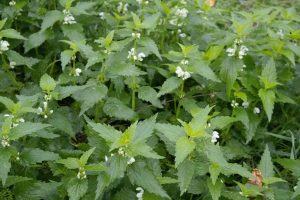
Every butterfly species has specific plants its caterpillars can feed on – called larval food plants. Adult butterflies cannot breed in a garden without these plants being present, regardless of how good the nectar supply is. Nettles are by far the most important – they are the larval food plant for small tortoiseshell, peacock, red admiral and comma, four of the most common garden butterflies. A patch of nettles in a sunny, sheltered corner of the garden is an enormously valuable wildlife habitat.
Grasses support the caterpillars of most brown butterflies – meadow brown, gatekeeper and ringlet all use various grass species. Leaving an area of lawn uncut or allowing coarse grasses to grow along a hedge base provides this habitat in a garden context. Garlic mustard (jack-by-the-hedge) supports orange-tip and green-veined white caterpillars and grows well at the shaded base of a hedge or fence. Cuckooflower provides the same function in damper areas. None of these need dedicated management – simply leaving a patch to grow naturally is sufficient.
Habitat and conditions
Sun and shelter are the two most important habitat factors for butterflies beyond plant choice. A south-facing border protected from prevailing wind is dramatically more productive for butterflies than an identical planting in an exposed or shaded position. Butterflies need warmth to become active – on cool, overcast days even nectar-rich flowers receive few visitors, while a sunny sheltered spot produces activity even on days that feel too cool for butterfly watching.
Leave some areas of the garden slightly untidy. A pile of old logs, a patch of rough grass, an ivy-covered wall and a nettle patch all provide overwintering habitat, pupation sites and larval food plants. The butterflies most likely to breed in a UK garden – small tortoiseshell, peacock, comma – are exactly the species that benefit from these low-maintenance habitat features. Tidying everything up for winter removes the habitat these species depend on to survive to the following spring.
Which butterflies to expect
The species most frequently seen in UK gardens are small tortoiseshell, peacock, red admiral, comma, large white, small white, green-veined white, orange-tip, brimstone, gatekepper, meadow brown and speckled wood. Of these, small tortoiseshell, peacock and comma are most likely to breed in a garden with nettles present. Red admiral and painted lady are migrants that arrive from southern Europe each year and cannot breed successfully in UK winters.
What to avoid
Avoid double-flowered cultivars of plants – the extra petals block access to nectar and pollen, making them effectively useless to butterflies and bees. A double buddleia, double lavender or double marigold is dramatically less valuable than the single-flowered species equivalent. Check plant labels when buying – if a plant is described as having fully double flowers, it is unlikely to provide much wildlife benefit regardless of how attractive it looks to humans.
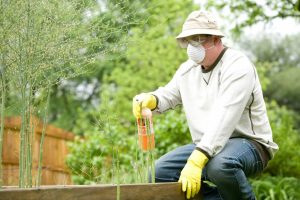
Avoid broad-spectrum pesticide use in the garden. Systemic insecticides taken up by plants kill not just target pests but also butterflies, bees and other beneficial insects that feed on treated plants. Spot-treat specific pest problems rather than prophylactic spraying, and avoid treating any flowering plants that butterflies and other pollinators visit regularly.
Butterfly garden calendar
Do not cut nettles down in summer. A nettle patch cut in June or July destroys the caterpillars of small tortoiseshell and peacock butterflies that are feeding on the leaves at that time. If the patch needs managing, cut half of it in spring before eggs are laid, leaving the other half for the caterpillars. Rotate the cut and uncut halves each year to keep the patch vigorous while maintaining the habitat.
Share on socials: