At a glance
Growing your own produce is genuinely satisfying, but the payoff does not stop at harvest. Handled and stored correctly, a good crop of onions can last into spring, a shed full of squash can see you through to February, and dried herbs can carry the flavour of summer into the depths of January. Handled incorrectly, the same harvest can turn into a disappointment within a fortnight. The difference is almost always not the crop itself but the conditions it was put into – the wrong temperature, too much moisture, not enough airflow, or one damaged specimen contaminating everything else around it.
This guide covers the full picture: why different crops need different conditions, how to store roots, brassicas, alliums, fruit and herbs correctly, and how to tell when something has gone too far to save. The goal is not to turn your garden into a preservation project but to make sure nothing you grew goes to waste that did not have to.
Why storage conditions matter
Every piece of produce continues to respire after harvest – it is still alive, still consuming its own energy reserves, still losing moisture to the air around it. The aim of storage is to slow that process down as much as possible without stopping it entirely. Temperature, humidity and airflow are the three variables you are managing, and the right combination differs dramatically between crop types. A cool, dark, slightly humid environment that keeps carrots in perfect condition for five months would turn garlic soft and mouldy within weeks. An onion store’s ideal conditions – dry, good airflow, just above freezing – would shrivel a beetroot in days.
Understanding what each crop actually needs removes the guesswork. The heatmap below shows how long common produce can realistically be stored under optimal UK conditions, which makes it much easier to plan your harvest calendar and prioritise what gets used first and what can wait.
Storing root vegetables
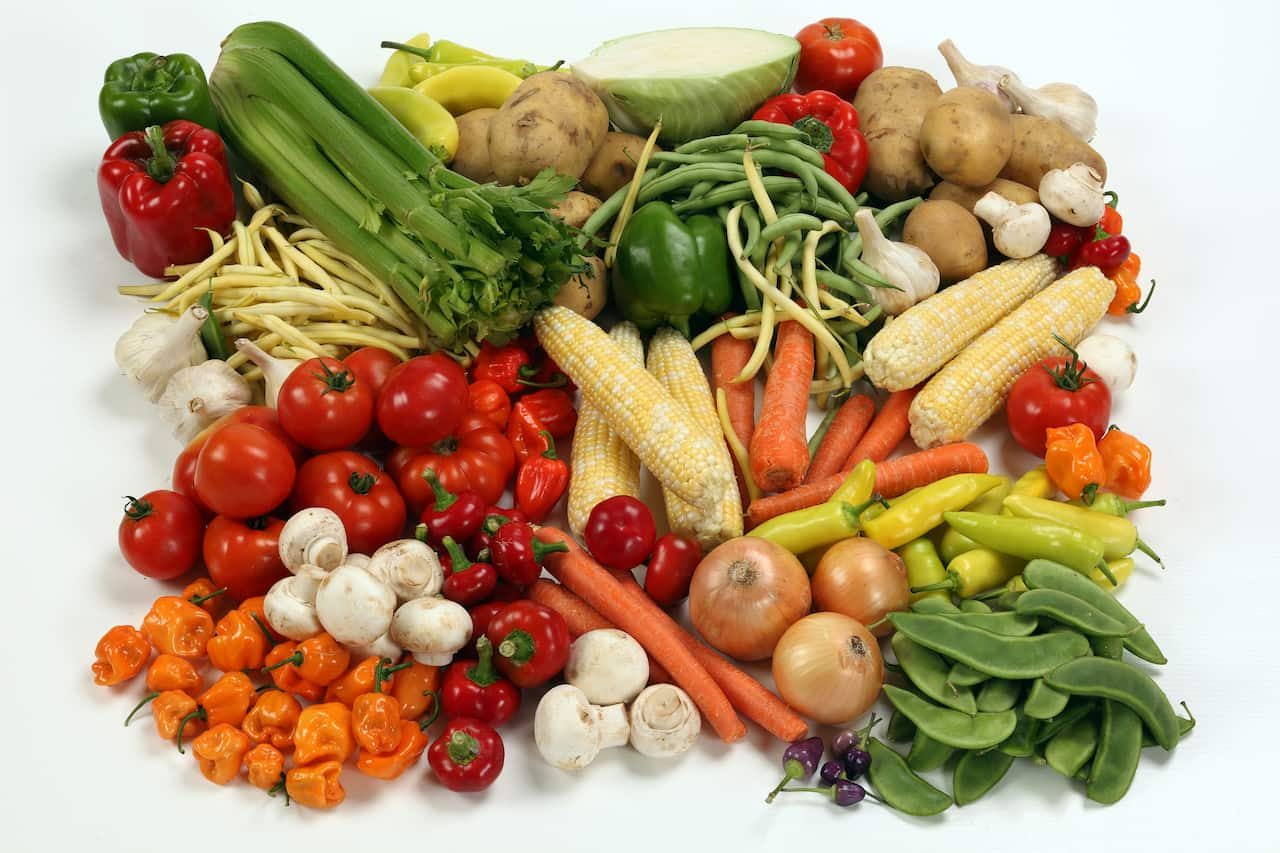
Root vegetables are the backbone of the home storage larder. Properly handled, carrots, parsnips, beetroot, swede and celeriac can all last well into the new year, giving you fresh-grown vegetables through the months when the garden offers very little. The key for almost all roots is cool, slightly humid conditions with good airflow – a cold garage, a cellar, or a shed that stays frost-free is ideal. In the absence of those, a box in an unheated spare room works well if the temperature stays below about 10 degrees Celsius.
The single most important step before storing any root vegetable is checking carefully for damage. One soft carrot, one scratched beetroot, one parsnip with a split from a fork during harvest will break down within days and spread decay to everything it touches. Inspect every single root. Anything with visible damage goes to the kitchen immediately or to the compost. Only perfect specimens go into store. Once in store, check regularly – every two to three weeks through autumn and winter – and remove anything that shows early signs of softening before it affects its neighbours.
Sand is the secret to long-lasting roots. A wooden box half-filled with barely damp horticultural sand – not wet, just enough moisture to hold shape when squeezed – and roots layered in without touching each other will keep carrots and parsnips in excellent condition from October through to March in an unheated garage. Refresh the sand if it dries out.
Storing brassicas, leaves and salads
Brassicas are not long-term storage vegetables in the same way as roots or alliums. Cabbages are the exception – a dense, firm head harvested with its outer leaves intact will keep in a cool place for several weeks, and some varieties will sit quite happily in the ground well into winter if you have the space. For everything else – kale, Brussels sprouts on the stem, broccoli, cauliflower – the approach is either to harvest and use quickly, or to freeze as the most practical preservation method. Blanch florets in boiling water for two minutes, plunge into ice water, drain and freeze in a single layer before bagging. Properly frozen brassicas keep their texture and flavour well for six to twelve months.
Salad leaves simply do not store for any meaningful period after harvest. They are best harvested cut-and-come-again, taking only what is needed on the day. If you have a glut, wrap unwashed leaves in a slightly damp cloth, put them in an airtight container and refrigerate – they will hold for two to three days at most. Spinach and chard last slightly longer in the fridge, three to five days before quality drops noticeably.
Storing fruit
Fruit storage is dominated by two crops above all others: apples and pears. These are the only common UK garden fruits that genuinely repay long-term cool storage. Soft fruit – strawberries, raspberries, currants, gooseberries – simply does not store in any practical sense beyond a few days in the fridge, and the answer there is freezing, jam-making or juicing. But a well-selected apple variety harvested at the right moment and stored correctly will last until January or February, extending the garden’s contribution well beyond the end of the growing season.
The keys for apple and pear storage are threefold. First, variety matters – early season varieties like ‘Discovery’ will not store beyond a few weeks regardless of conditions, while late keepers like ‘Bramley’, ‘Egremont Russet’ and ‘Orleans Reinette’ are specifically bred to store. Second, condition at harvest matters enormously – any bruising, any soft spot, any damage from wasps or birds needs to come out before it goes in. Third, apples and pears should never be stored together because pears ripen rapidly in the ethylene gas that apples produce. Keep them separate and check weekly.
Storing and preserving herbs
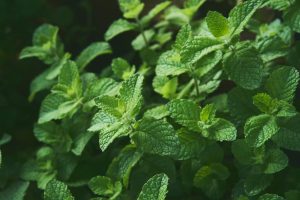
Fresh herbs do not store well for long – most will last just a few days cut in the fridge, and basil will blacken even faster if chilled at all. The practical approaches to getting the most from a herb harvest are drying, freezing in oil, or making flavoured salts and butters. Each method suits different herbs differently. Understanding which preservation route works best for a given plant is the difference between useful stored herbs and a jar of dust that has lost most of its flavour within a month.
Is it still good? A quick diagnostic
One of the most common sources of waste in home storage is uncertainty – produce that is slightly past its best but not obviously spoiled gets composted when it might still have been perfectly usable, or produce that has genuinely turned is kept in hope and ends up contaminating the rest. A simple check routine removes the guesswork entirely.
Common storage mistakes
Most storage failures come down to a small number of repeated mistakes. The most damaging is storing damaged produce – a single bruised apple, a nicked parsnip, an onion with a soft neck will always spread decay faster than healthy produce can resist it. The second most common is the wrong environment: too warm for roots, too moist for alliums, too cold for squash (chilling injury ruins winter squash below about 10 degrees Celsius). The third is neglect – produce that is checked rarely rather than regularly will deteriorate faster than it needs to because early problems go uncorrected.
Green potatoes are toxic and must not be eaten. Exposure to light causes potatoes to produce solanine, a naturally occurring toxin that causes stomach upset and worse in quantity. Any potato that has turned green on the surface or has started to sprout significantly should be discarded. Always store potatoes in complete darkness – opaque paper sacks are ideal.
Share on socials: