At a glance
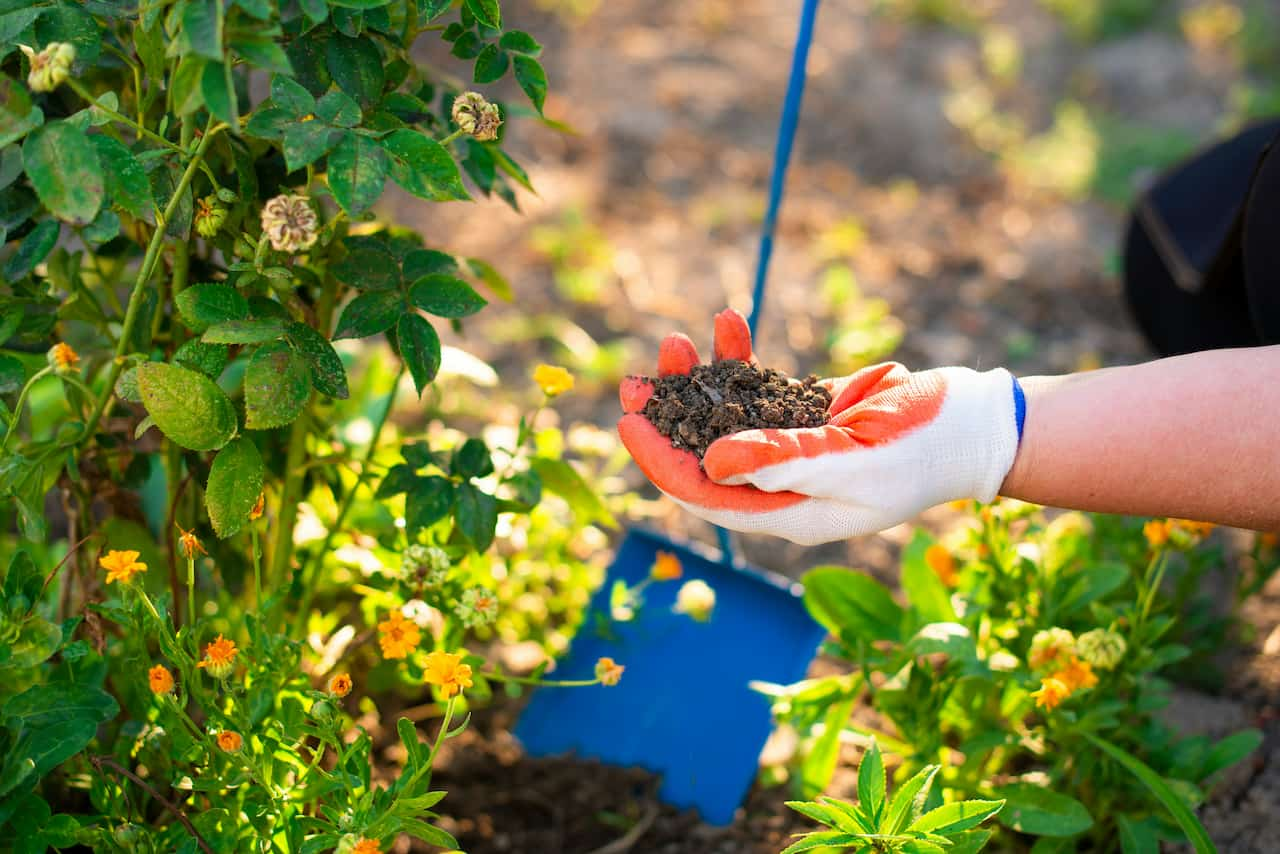
Plants cannot make nutrients out of thin air. They draw what they need from the soil, and in a garden – particularly one where the same ground is cultivated repeatedly – those nutrients get used up. Adding compost helps, and a well-structured soil holds nutrients better than a thin or compacted one, but most productive gardens still benefit from regular feeding to keep plants performing at their best. The challenge is knowing what to feed, when to do it, and how to avoid the equally common problem of feeding too much.
This guide covers the full picture: the nutrients plants actually need and what they do, the different types of fertiliser available, the right timing for feeding through the UK growing season, and specific recommendations for vegetables, fruit, flowers and container plants. Whether you are new to growing or just want to sharpen up your feeding programme, the same principles apply across the board – feed what the plant needs, at the time it can actually use it, in amounts that help without causing harm.
Understanding plant nutrients
All fertilisers work by supplying plants with one or more of the elements they need to grow. The three most important – and the ones listed on every fertiliser label – are nitrogen (N), phosphorus (P) and potassium (K). These are the macronutrients that plants consume in the largest quantities, and deficiency in any one produces visible, predictable symptoms. The NPK ratio on a fertiliser bag tells you the proportion of each primary nutrient by weight. A product labelled 6:9:6 contains 6% nitrogen, 9% phosphorus and 6% potassium. Understanding what each nutrient does makes it much easier to choose the right product for the job – a tomato feed high in potassium is exactly right once flowers appear, but that same feed given to a young leafy plant in spring would starve it of the nitrogen it needs to build leaves and stems.
Plants also need a range of secondary nutrients and trace elements in smaller amounts, including magnesium, calcium, iron and manganese. Deficiencies in these are less common in garden soil but can become significant in containers or very acidic conditions where pH prevents uptake even when the nutrient is present. Yellowing between leaf veins on older leaves usually points to a magnesium deficiency, correctable with an Epsom salts foliar spray.
Types of fertiliser
The fertiliser market is large and often confusing, but the products available fall into a handful of clear categories based on how quickly they work, how long they last, and whether they come from organic or manufactured sources. Understanding these categories is more useful than memorising individual product names, because the same principle applies across brands.
Organic fertilisers – derived from plant or animal matter – release nutrients slowly as soil microbes break them down. They improve soil structure as well as feeding plants, and they are far harder to overapply than synthetic products. The downside is that their nutrient content is lower and less predictable, and they release most slowly in cold weather when microbe activity drops. Synthetic fertilisers are concentrated, fast-acting and precisely formulated, but they contribute nothing to soil health and are easy to overapply. Many experienced gardeners use both: organic matter and slow-release fertilisers as a baseline, with liquid synthetic feeds for a targeted boost during peak growing periods.
When to feed
Timing is as important as product choice. Feeding plants when they are not actively growing is largely pointless – the nutrients sit in the soil, leach away with rain, or even cause salt damage to roots. In the UK, the main feeding season runs from March to October, with most intensive feeding happening between April and August when plants are growing fastest. The exact timing shifts with the weather: in a warm March, start feeding earlier; after a cold spell in May, wait until growth visibly resumes before applying liquid feeds.
Stop feeding altogether by September to October. Late feeding stimulates soft, sappy growth that is vulnerable to the first frosts and far more susceptible to pest and disease attack through autumn. The type of feed also determines timing within the season: a general balanced fertiliser at the start of spring supports leaf and root growth, while from mid-summer the emphasis shifts to high-potassium feeds that drive fruit development and sustained flower production.
Always water before applying liquid feeds. Feeding into dry soil concentrates salts around roots and can cause scorching. Water the plant or bed thoroughly first, then apply the feed to moist soil. This is especially important during dry spells in summer.
Feeding vegetables and salads
Vegetables are hungry plants that respond strongly to feeding – but the right feed depends entirely on what the crop is trying to do. Leafy crops need nitrogen to build the leaves you are trying to eat. Root vegetables do best with a balanced or slightly phosphorus-rich feed that encourages root development without excessive leaf growth. Fruiting crops – tomatoes, courgettes, peppers, sweetcorn – need a high-potassium feed from the point of flowering onwards, because potassium drives fruit development, sugar accumulation and skin quality.
One important exception is legumes – peas and beans. These plants fix atmospheric nitrogen through bacteria in nodules on their roots, so adding high-nitrogen feed actually inhibits this process and is counterproductive. They grow best in soil with moderate organic matter and a balanced mineral content, but rarely need additional nitrogen. Leave the tomato feed for the tomatoes and let your beans work for free.
Never feed stressed or wilting plants. If a plant is wilting from drought, root damage or disease, applying fertiliser will not help and may make things significantly worse. Concentrated salts in the root zone of a stressed plant can burn roots and accelerate decline. Identify and fix the underlying problem first, then resume feeding once the plant has recovered.
Feeding fruit
Fruit plants are perennials that invest energy over multiple years, so feeding them well has compounding benefits – a well-fed strawberry bed produces more runners, a properly fed apple tree builds the fruiting spurs that will carry a crop for decades. The feeding approach for fruit differs from vegetables in one important respect: fruit plants have a clear annual cycle that should guide when different types of feed are used, rather than simply feeding whenever growth is visible.
Established fruit trees and bushes should receive a balanced general fertiliser in late winter or early spring, before growth begins. This feeds into the soil as the roots start to be active and supports the strong early growth that determines the season’s crop. From midsummer onwards, the emphasis shifts to potassium – either through a high-K liquid feed or a sulphate of potash top dressing – to ripen wood and improve fruit quality. Nitrogen in late summer should be avoided: it promotes soft growth that will not harden before winter.
Feeding flowers and ornamentals
Feeding ornamental plants is less critical than feeding vegetables or fruit, but it still makes a substantial difference – particularly for container-grown specimens, roses, dahlias and other repeat-flowering plants that are trying to produce flowers continuously through the season. The general principle for ornamentals is simpler than for edibles: a single application of slow-release general fertiliser in spring is usually sufficient for most established shrubs and perennials in good soil. Plants in containers, and those putting on a sustained flowering display, benefit from regular liquid feeding through summer.
Roses deserve specific mention because they are genuinely hungry plants that respond dramatically to feeding. A dedicated rose fertiliser – high in potassium and magnesium – applied in April and again after the first flush of flowers in June will consistently produce a better display than no feeding at all. Deadheading and feeding go hand in hand: removing spent flowers redirects energy back into growth, and feeding makes that energy productive rather than just generating more foliage.
Feeding container plants
Container plants have no access to the broader soil nutrient reserves that border plants can draw on, and the nutrients in fresh compost are typically depleted within 6-8 weeks of planting. This makes regular feeding essential rather than optional for anything growing in a pot. The most common cause of poor performance in containers is not the wrong compost or the wrong position – it is simply not feeding often enough once the initial compost nutrients are exhausted.
The most practical approach for most container gardeners is a combination of slow-release granules mixed into the compost at planting time, supplemented by a weekly or fortnightly liquid feed during the active growing season. The granules provide a background level of nutrition; the liquid feed allows you to tailor what you are applying to what the plant is doing. A hanging basket full of flowering annuals needs high-K liquid feed to keep the flowers coming. A bay tree in a pot needs a balanced feed twice a season and not much more. The single biggest improvement most container gardeners can make is simply to be consistent – a plant that receives a regular liquid feed every fortnight will almost always outperform one that receives double the dose once a month.
Share on socials: