At a glance
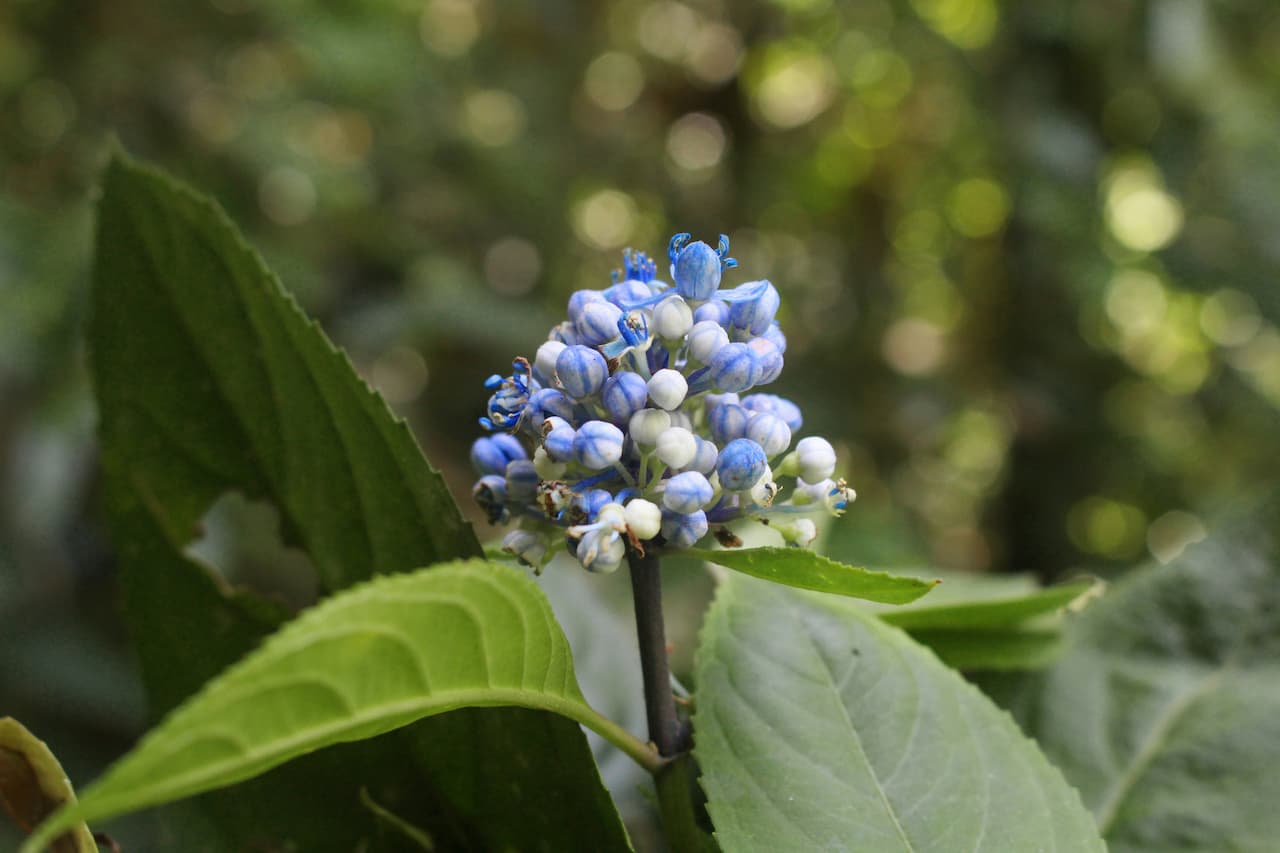
Ceanothus – commonly called Californian Lilac – is one of the most spectacular flowering shrubs available to UK gardeners, producing dense clusters of tiny blue flowers that cover the entire plant in spring or summer depending on the variety. Native to California and the western United States, it thrives in warm, sunny, well-drained conditions and in the UK performs best against a south or west-facing wall where it receives shelter from cold winds and maximum direct sun. In a favourable position it grows quickly, reaching full flowering size within 3-4 years of planting, and requires very little maintenance beyond an annual trim after flowering.
The genus divides broadly into two groups – the evergreen spring-flowering types like ‘Concha’ and ‘Puget Blue’, and the deciduous summer-flowering types like ‘Gloire de Versailles’. Both groups produce the characteristic signature blue flower clusters that the genus is famous for, but the evergreen types tend to be more suitable for wall training and perform better in the milder parts of the UK. Ceanothus is also an excellent plant for attracting bees, bumblebees and other pollinators, and pairs beautifully with lavender as part of a sunny border designed to attract wildlife.
Best varieties for UK gardens
Choosing the right variety matters more with Ceanothus than with many shrubs – the difference between a spring-flowering evergreen and a summer-flowering deciduous type affects not just the flowering season but also the hardiness, the pruning approach and the ultimate size and habit of the plant. The varieties below are among the most reliably available in UK garden centres and the best-performing in British conditions. All produce the characteristic blue flower clusters that make Ceanothus so distinctive, though the shade of blue varies from pale powder-blue to deep indigo depending on the variety.
‘Concha’ is widely considered the best all-round evergreen Ceanothus for UK gardens. It produces an exceptional flowering display with deep indigo-blue clusters from April to May, and its arching habit makes it particularly effective when trained against a warm wall. It can reach 3 metres in height and spread and will cover a substantial area of wall within a few years of planting. For a slightly more compact option, ‘Puget Blue’ is equally floriferous but grows a little less vigorously, making it a better choice for smaller walls or more restricted spaces.
‘Gloire de Versailles’ stands apart from the evergreen types in several important ways. Being deciduous, it is considerably hardier and better suited to colder or more exposed gardens where evergreen types might struggle through winter. Its powder-blue flowers appear from July to September – much later than the spring-flowering evergreens – which extends the Ceanothus season and fills a flowering gap when many spring shrubs have finished. It also responds well to hard annual pruning in spring, making it easier to keep under control than the evergreen types.
‘Italian Skies’ is worth growing for the intensity of its flower colour – a vivid gentian blue more striking than most other varieties. It is at its best in May and is particularly effective against pale stone or white-rendered walls. It is slightly less hardy than ‘Concha’ and benefits from the protection of a warm wall more than the other varieties listed here.
Where and when to plant
Ceanothus needs a warm, sunny, sheltered position to thrive in the UK. A south or west-facing wall is ideal – the wall radiates warmth, provides shelter from cold north and east winds and the well-drained soil at the base of a wall suits the plant’s preference for dry conditions. Avoid east and north-facing walls where cold winds and significantly lower light levels reduce performance and increase winter vulnerability, particularly for the evergreen varieties.
Plant in spring or early summer once the risk of hard frost has passed. Container-grown plants are available year-round from garden centres but spring planting gives the root system a full growing season to establish before facing its first UK winter. Dig a planting hole twice the width of the root ball, improve drainage if necessary with grit or sharp sand, and plant at the same depth as in the container. Water in well and apply a mulch of bark or gravel around the base to retain moisture and suppress weeds during the first growing season. In the first summer after planting, water regularly during dry spells until the plant is visibly growing away strongly – after that, established plants are drought-tolerant and rarely need supplementary watering.
Plant at least 30cm from the wall base. The soil immediately at the base of a wall is often very dry and impoverished. Planting 30-45cm out from the wall ensures the roots can access better soil while the shrub still benefits from the warmth and shelter the wall provides. Lean the plant slightly towards the wall when planting to encourage it to grow back against the surface naturally.
Soil and feeding
Ceanothus thrives in well-drained, relatively infertile soil. It tolerates chalk, sand and thin soils well but dislikes heavy clay or waterlogged ground where root rot is a serious risk. On heavy clay soils, improve drainage with horticultural grit incorporated generously into the planting area, or raise the planting level slightly to lift roots above the waterlogged zone. Do not add compost or well-rotted manure at planting – fertile soil encourages soft, frost-vulnerable growth and reduces flowering intensity. The lean conditions at the base of a south-facing wall – dry, low in nutrients, well-drained – are actually ideal for Ceanothus, which is one of the reasons it performs so well in this position.
Feeding is minimal. A light application of a balanced slow-release fertiliser in spring is sufficient for established plants. Avoid nitrogen-rich feeds which push leafy growth at the expense of flowers. Ceanothus is a nitrogen-fixing plant that takes nitrogen from the atmosphere through symbiotic bacteria in its root nodules, reducing its dependency on soil nitrogen and making it considerably more self-sufficient than many garden shrubs. Overfeeding is a more common problem than underfeeding with this plant.
Pruning
Pruning timing is the single most critical care decision for Ceanothus, and getting it wrong for the variety type causes either the loss of that year’s flowers or the accumulation of unproductive old wood. The two groups require fundamentally different approaches.
Ceanothus does not respond well to hard renovation pruning into very old wood. If a plant becomes woody and unproductive with large areas of bare stem, it is generally better to replace it than to attempt severe cutting back. Unlike many garden shrubs, Ceanothus cannot regenerate from old bare stems the way a buddleia or dogwood can – the old wood simply does not break reliably into new growth, making renovation pruning a poor investment of time and effort. The most common reason a Ceanothus becomes unproductive is over-pruning in early years that removes too much young wood, or conversely, neglect of pruning that allows the plant to become too large and woody. Annual light pruning immediately after flowering prevents this by keeping the plant in a permanent state of renewal.
When training a young Ceanothus against a wall, tie in new shoots regularly as they develop to create an even framework across the surface. Use soft garden twine or proprietary wall ties rather than wire, which can cut into the stems as they thicken over the years. Aim to fan the branches out evenly across the available wall space – a well-trained specimen against a south-facing wall is one of the most impressive sights in a spring garden.
Problems and winter care
The main threat to Ceanothus in the UK is hard winter frost, particularly for evergreen varieties. In most of England and Wales, established plants in sheltered south or west-facing positions survive typical winters without protection. In colder northern gardens or during severe cold snaps, a horticultural fleece covering over the plant provides adequate protection. Newly planted Ceanothus is more vulnerable than established plants in its first two winters and benefits from fleece protection whenever temperatures are forecast to drop below -5C.
Ceanothus is otherwise largely trouble-free and does not suffer the same wide range of pests and diseases that affect more susceptible shrubs like hydrangeas or climbing roses. An established plant in the right position – warm wall, good drainage, lean soil – will grow vigorously and flower reliably for many years with minimal intervention beyond the annual post-flowering trim. The combination of spectacular flowers, very low maintenance requirements and exceptional value for pollinators makes it one of the most rewarding wall shrubs available to UK gardeners.
Share on socials: