At a glance
May is the most exciting and also the most demanding month in the UK gardening year. The combination of warming soil, lengthening days and the end of serious frost risk creates an enormous window of opportunity – but also an enormous list of things to do. Tender plants that have been growing on inside since January or February are ready to go outside, outdoor sowings need to go in before the season gets away, and the garden shifts from the slow pace of early spring to full production within a matter of weeks.
The single most important principle for May gardening is not to rush. The urge to get everything outside as soon as possible is understandable, but plants that go out before they are properly hardened off, or before the soil is warm enough, sit still for weeks – and a plant that goes out two weeks later but properly prepared often catches up within a fortnight. Check the forecast, watch the overnight temperatures, and use the Chelsea Chop (the period around the RHS Chelsea Flower Show in late May) as a useful rule-of-thumb date after which frost risk is low enough for most tender plants in most UK areas.
Planting out tender crops
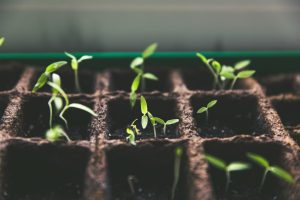
After the last frost date – late May in most of England and Wales, early June in Scotland and exposed northern areas – tender crops can go outside. Tomatoes, courgettes, squash, cucumbers, French beans, basil, peppers and aubergines all fall into this category. All must be hardened off for at least two weeks before planting – moving outside during the day and inside at night, with increasing outdoor time each day.
Tomatoes are the most popular of these and benefit from being planted deeply – burying the stem up to the lowest leaves encourages roots to develop along the buried stem, producing a more robust plant. Plant in a sheltered sunny position and tie in to supports immediately. Courgettes and squash need considerable space – allow 90cm minimum per plant and position where their spreading foliage will not engulf neighbouring crops.
Sowing outdoors
May is the main outdoor sowing month for most UK vegetables. The soil is warm enough for fast, reliable germination and there is sufficient season ahead for most crops to mature fully. Sow runner beans directly outdoors once soil temperature is above 12°C – they germinate poorly in cold soil. Sow beetroot, salads, spring onions, carrots, parsnips (if not already sown in April), kale, chard and courgettes direct. Make a second sowing of peas for a later harvest.
Continue successional sowing of salad leaves every two to three weeks to maintain a continuous harvest through summer. A single large sowing in May produces a glut in June and July then nothing – three smaller sowings spread across April, May and June produces harvests from June through to September from the same total amount of seed.
Flowers and ornamentals
Plant hanging baskets and patio containers with summer bedding once frost risk has passed – late May is the standard date for most of the UK. Use a moisture-retentive compost with slow-release fertiliser incorporated and water in well. Hardy annual seeds – cornflowers, calendula, nigella, poppies – can still be sown direct into borders in May for summer flowering. Thin existing seedlings from April sowings to their final spacings.
Sweet peas sown or planted in April will be reaching climbing height – provide supports now before they need them and tie in loosely. Plant out dahlia tubers once the last frost date has passed, placing the stake at planting rather than later. Take softwood cuttings of penstemons and other tender perennials while the growth is soft and roots readily in warm May conditions.
Lawn care
May is an excellent time to tackle bare patches, lawn edges and any areas that need overseeding. Soil temperatures are high enough for fast germination and there is adequate season for new grass to establish before summer heat stress. Apply a spring or summer lawn fertiliser in early May if not already done – the rapid growth response to feeding is most visible now and produces a dense, healthy sward going into summer.
Mow regularly but do not cut too short in dry spells – a lawn cut to 4cm or above maintains colour and density in dry conditions far better than one cut short that browns quickly. Edge borders and paths for a neat finish that makes the whole garden look more cared for.
What to harvest in May
Asparagus is at its peak in May – harvest spears daily when they reach 15-20cm and before the tips start to open. Stop harvesting entirely by mid-June to allow the ferns to develop and feed the crowns for next year. Rhubarb continues into May – pull stems rather than cutting and leave at least two-thirds of the plant’s growth at any one picking. Early salad leaves, radishes and spring onions from March sowings will be ready for picking. Overwintered spinach and chard benefit from a liquid feed to fuel the final flush before they bolt in the warming weather.
Pests to watch in May
Slugs and snails are most active in May following spring rain – newly planted tender crops are at their most vulnerable in the first fortnight after going outside. Apply organic slug pellets around all newly planted items immediately and check nightly in wet weather. Vine weevil adults emerge in May and begin laying eggs in pot compost – if you have had vine weevil damage in containers previously, apply biological control nematodes to pots now while soil temperatures are warm enough for them to be effective.
Aphid colonies build rapidly on roses, broad beans and alliums from May onwards. Check growing tips weekly and deal with colonies early. Flea beetle creates characteristic small round holes in brassica seedling leaves – cover young brassica plants with fine mesh immediately after planting to prevent attack. The mesh also protects against cabbage white butterfly which begins laying eggs in May.
May checklist
Keep fleece to hand throughout May. Even after the average last frost date, a clear night following a warm day can still produce ground frost. A light frost that settles on newly planted tender crops overnight can set them back by two weeks. Having a roll of fleece ready to throw over vulnerable plants on cold clear evenings takes sixty seconds and prevents significant damage.
Share on socials: