At a glance
January feels like the wrong time to be thinking about seeds. The plot is frozen, the beds are full of standing water or ice, and the seed catalogues that looked exciting in December are now sitting under a pile of things you haven’t got round to doing. The temptation is to wait. March feels more like a start. April feels safer.
But for a handful of crops, January isn’t enthusiasm getting ahead of itself. It’s the sensible choice. Chillies, aubergines, and exhibition onions need five or six months from seed to produce anything worth having. If they don’t go in now, you either won’t get ripe fruit before autumn, or you’ll get it late and you’ll get less of it. That’s the reason to start in January, not excitement. The season is genuinely short enough that it matters.
Why January, not April: the case for starting now
The UK growing season runs from May to October, which sounds generous until you factor in what tender vegetables actually need. A habanero chilli planted outside in late May and picked at the end of September has four months to do everything: establish, flower, set fruit, and ripen it. In a warm summer that’s fine. In a normal British summer with a cool August and a wet September, the fruit is still green when the first frost arrives.
Start that chilli from seed in January instead and it spends four months growing on a windowsill before it ever sees the garden. By the time it goes out, it’s already a substantial plant. It flowers earlier, sets fruit earlier, and you get ripe chillies in September rather than a basket of green ones.
That logic applies differently to different crops. For aubergines, which need even more warmth and time than chillies, January sowing is necessary. For most tomato varieties, January is too early unless you’ve got a good grow light. Plants started in January can be over a foot tall by March with nowhere to go, because it’s still too cold to put them out. For most other things, starting in January is fine but there’s no compelling reason for it.
The crops in this guide are divided by what they actually need.
What you need before you start
A heated propagator is the difference between January sowing working and it failing for anything tender. A windowsill fluctuates. On a bright afternoon it might be 20°C. By midnight in January it might be 8°C. Chillies, aubergines, and peppers need consistent warmth to germinate well, ideally around 21°C overnight. A propagator holds that temperature. Without one, these crops are better started in February or March when the house stays warmer and windowsill temperatures are less extreme.
Once seedlings have germinated, the propagator becomes a problem. High warmth plus low winter light produces leggy, drawn seedlings. Move them out of the propagator as soon as they’ve germinated, turn the temperature down, and get them onto the brightest windowsill you have. A south-facing window in January is genuinely not bright enough for most tender crops. A grow light, placed 5-10cm above the seedlings and run for 12-16 hours a day, is the honest solution. Without one, you’ll notice seedlings stretching toward the glass and leaning over by week three.
You also need seed compost, not standard potting compost. Seed compost is fine-textured and low in nutrients, which is what seedlings need at germination. Labels are not optional. Three weeks after sowing you will not remember which pot has habaneros and which has bell peppers.
The crops that genuinely need January: chillies, aubergines, and exhibition onions
Chillies are the clearest case for January sowing. Not all varieties, though. Milder capsicum annuum types (jalapeños, cayennes, bell peppers) can start in February without losing much. The slow-maturing capsicum chinense varieties (habaneros, scotch bonnets, nagas) are the ones that need January. They take longer to germinate, longer to reach flowering size, and longer to ripen fruit. Starting them in January is not optimistic. It’s the minimum lead time they need in the UK.
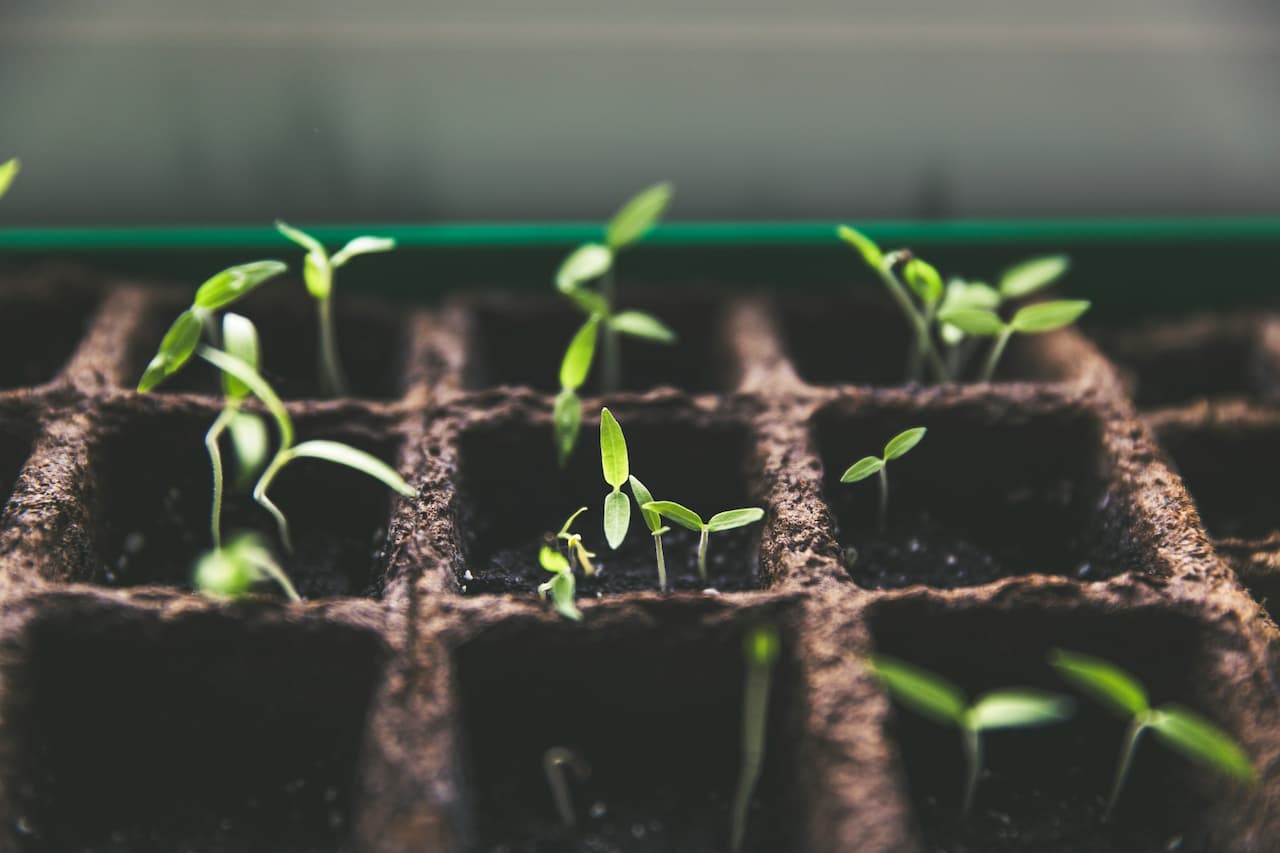
Sow in individual small pots in seed compost. One or two seeds per pot, thinning to the strongest after germination. Into the heated propagator at 21-25°C. When the seedlings are 2-3cm tall, move them out of the propagator into maximum light. Keep the night temperature above 15°C as they grow on. A chilli seedling that gets cold after germination sulks for weeks.
Aubergines need the same treatment. Black Beauty is the most reliable variety for UK growing and worth starting in January if you’ve got the equipment to support it. January sowing is only worth doing for aubergines if you have a heated propagator and some grow lighting. Without both, wait until February and accept a slightly later crop.
Exhibition onions are the third genuinely January crop. Ailsa Craig is the classic variety grown for large bulbs, the kind you see winning prizes at village shows, though they’re also excellent to eat. They take 24 weeks from seed to harvest and need that long growing season. Sow in seed trays or small pots at 15-20°C. They germinate in 18-24 days, which is slower than you might expect. Prick out into individual modules and grow on until spring planting. For maincrop onions from seed rather than sets, you can wait until March. January is specifically for exhibition size.
Good from January but not essential: sweet peas and broad beans
Sweet peas are one of the great reasons to be in the potting shed in January. The autumn sowing method (October or November in a cold frame) produces the most vigorous plants. But if you missed that, January is a perfectly good alternative.
Sweet peas want cool conditions, not warm ones. That’s the thing that catches people out. Not a heated propagator. Not a warm windowsill above a radiator. A cool bright windowsill, an unheated greenhouse, or a cold frame. Aim for 10-15°C. Higher temperatures produce leggy seedlings that look fine at first and then keel over when they’re planted out.
They also need deep containers. Sweet peas develop a long tap root and resent being cramped. Root trainers are the proper tool for this, but long cardboard tubes (toilet roll inners cut in half lengthways and stood upright) work just as well and you can plant the whole tube out without disturbing the roots. Sow one seed per tube at 2cm depth. Nick the seed coat lightly with a nail file on the side opposite the eye, or soak overnight, to speed germination.
Pinch out when plants are 10cm tall with two pairs of true leaves. It feels wrong to cut a plant that’s growing well, but the pinching creates side shoots and side shoots create flowers. A sweet pea that hasn’t been pinched produces one flowering stem. A pinched plant produces four or five.
Broad beans can be sown directly outside in January if your soil isn’t waterlogged or frozen, but starting them in individual pots under cover is considerably more reliable. The reason is mice. Broad bean seeds are large and easy to find, and mice will clean out a freshly sown row without leaving a trace. You can water an empty drill for two weeks before realising nothing is going to come up. Start them in pots, one seed per pot at 5cm depth, in an unheated greenhouse or cold frame. Aquadulce Claudia is the hardiest variety for January. Plants go out in early spring.
Quick crops for a bright windowsill
Not everything in January needs heat or specialist equipment. A few crops are genuinely easy and produce something you can actually eat while everything else is still in a seed tray.
Mustard as microgreens is the fastest thing you’ll grow: scatter seed on moist compost or damp kitchen roll, place on a bright windowsill, and harvest at 7-10 days. Cress is even quicker. Rocket takes 3-4 weeks and has more substance to it.
Salad leaves, spinach, and spring onions all germinate on a bright windowsill without any heat and produce useful crops in 4-6 weeks. Scatter thinly in pots or trays, keep moist, harvest as cut-and-come-again once plants are big enough.
For flowers, sweet peas are covered above. Begonias, pelargoniums, and petunias can all be started in January indoors with a heated propagator and some grow lighting. All three have dust-fine seeds that need warmth to germinate and good light to avoid legginess. If you want plants for summer containers and hanging baskets, this is the right time to start them. The sowing technique for each is the same: surface-sow on moist compost without covering (all three need light to germinate), keep in the propagator until germination, then move immediately to maximum light.
Chitting seed potatoes
Chitting is not complicated but the timing matters. Late January is the right window in milder areas: southern England, most of the Midlands and Wales. In northern England and Scotland, late February is more appropriate.
Stand the seed potatoes in egg boxes with the rose end pointing up. The rose end is the blunter end with the most eyes. Keep them in a cool, bright, frost-free position: an unheated spare room or bright porch, not the kitchen and not the garage if temperatures dip below zero at night. The target temperature is 8-10°C. Warmer than that produces long, pale, fragile sprouts that snap when you handle the potato.
You want shoots that are 2-3cm long, green or purple, and stubby. They take 4-6 weeks to reach that stage from a late January start, which puts planting right at mid-March to early April, the correct window for first and second early varieties in most of the UK.
First earlies (Charlotte, Rocket, Swift) are the ones worth chitting. They benefit most from the head start. Maincrop varieties are less fussy about it.
Long pale shoots mean the room is too warm or too dark. Short, dark-coloured shoots are the target. If yours are running long, move the egg boxes somewhere cooler and brighter. You can rub the shoots off and start again, though this delays planting by two to three weeks.
The mistakes that make January sowing pointless
Starting without a plan for what happens next. January sowing produces seedlings in February and March, and those seedlings need potting on, hardening off, and eventually somewhere outside to go. If you’ve sown 200 seeds in January and haven’t thought about how many pots, how much compost, and how much windowsill space you actually have, March becomes unmanageable. Sow what you can realistically grow on.
Sowing tomatoes too early. January tomatoes on a windowsill without grow lights produce long, light-starved seedlings that look terrible by the time April arrives and there’s still nowhere to plant them. Most should wait until mid-February to early March.
Overwatering. Seedlings in January are in low-light, cool conditions and they dry out much more slowly than you’d expect. The compost should be moist, not wet. Wet compost in cool conditions produces damping off, a fungal collapse at soil level that kills seedlings overnight. More seedlings die from overwatering in January than from cold.
Not labelling. You will not remember what you sowed. Label everything immediately.
Getting leggy seedlings and deciding it’s too late. Leggy seedlings are almost always recoverable. Move them to a brighter position, rotate the pots daily to prevent reaching, and pinch out if they’re getting unwieldy. They’ll catch up.
Share on socials: