At a glance
A garden pond is the single most effective addition you can make to a wildlife garden. Nothing else – not a hedgehog house, a bird feeder or a wildflower patch – comes close to the range and density of wildlife that a well-built pond attracts. Within weeks of filling, a new pond will have water boatmen, pond skaters and diving beetles. Within months, frogs, toads and newts often appear as if from nowhere. Within a year or two, dragonflies and damselflies will be hunting above it and breeding in the water below.
The project is more manageable than most people assume. A wildlife pond does not need a pump, filter, waterfall or any electrical equipment. It does not need to be large – a pond 1.5 metres across can support a thriving wildlife community. The building work is a weekend project for most garden sizes, and the resulting habitat improves year on year with minimal intervention once established. A pond built in October can have frog spawn in it by February of the following year.
Why Build a Wildlife Pond
The UK has lost over 70% of its ponds since the early twentieth century, making garden ponds increasingly critical for aquatic wildlife. Common frogs, smooth newts and great crested newts – all legally protected species – have come to depend significantly on garden ponds for breeding. Providing a pond in your garden contributes directly to the conservation of these species at a national level, not just in your immediate neighbourhood. A single well-managed garden pond joining a network of others across a neighbourhood creates a stepping-stone habitat that species can move through.
The wildlife value extends far beyond the obvious species. Hedgehogs drink from ponds and are attracted to the frog and toad populations around them. Swallows and house martins collect mud from pond margins for nest-building. Dragonflies and damselflies are significant predators of small flying insects. Birds bathe in the shallows and visit to drink and feed throughout the year. A pond does not just support aquatic wildlife – it becomes the hub of a much broader garden ecosystem that benefits every corner of the plot.
What You’ll Need
Planning – Size, Position and Shape
Bigger is always better for wildlife, but even a small pond makes a significant difference. The minimum useful size for wildlife is roughly 1 metre by 1 metre with a maximum depth of 60cm. At this size you can support frogs and aquatic invertebrates comfortably. A pond of 2 metres by 3 metres or larger will support newts and dragonflies and is worth building if space allows. An irregular, natural shape is better for wildlife than a formal geometric design – varying the depth across the pond creates a range of habitats and accommodates different species.
The best time to build a wildlife pond is autumn or winter. Building in September to March means the pond fills with rainwater rather than tap water, establishes slowly without the algae blooms that often follow spring building, and is ready to receive breeding amphibians the following spring. A pond built in October will often have frog spawn in it by February – an extraordinarily fast result for any wildlife garden project.
Building the Pond Step by Step
Mark out and dig
Mark the pond shape with a hosepipe or sand line, then begin digging. Create a shelf 20-30cm wide at 20-30cm depth around part of the perimeter for marginal plants and easy amphibian access. The deepest zone should reach at least 60cm to prevent complete freezing in winter.
Prepare the base
Remove all sharp stones from the base and sides. Lay a 5cm layer of sand on the base. Add purpose-made pond underlay or thick geotextile fleece over the sand and up the sides to protect the liner from puncture. This step determines the liner’s longevity.
Lay the liner
Drape the liner loosely into the hole, ensuring at least 30cm overlap at all edges. Smooth out as many folds as possible and anchor edges temporarily with stones while filling. A butyl rubber liner is the most durable choice – cheap alternatives split within a few years.
Fill and anchor edges
Fill slowly with a hose, adjusting the liner as water weight settles it into shape. Once full, trim edges leaving 30-40cm overlap and bury or weight with stones, turf or soil. Create a gentle beach-like slope at one end using stones or gravel for mammal escape and invertebrate habitat.
Plant and wait
Add native oxygenating plants immediately and marginal plants along the shelf. Do not introduce wildlife from other ponds – it will arrive naturally. Stand back and observe. The colonisation process is one of the most rewarding things to watch in a wildlife garden.
Never introduce fish to a wildlife pond. Fish eat frog and toad spawn, tadpoles, newt larvae, water snails and virtually every other aquatic invertebrate – they eliminate the very wildlife a pond is designed to support. A pond with fish is an ornamental fish pond, not a wildlife pond. The two are entirely incompatible and the distinction is not reversible once fish are established.
Planting Your Pond
Plants are essential for a healthy wildlife pond – they oxygenate the water, provide cover and breeding habitat, and prevent algae from dominating. Always choose native UK species where possible. Non-native pond plants can become invasive and several are illegal to allow to spread to wild water bodies. Place submerged oxygenating plants in mesh baskets filled with aquatic compost and gravel – never standard garden compost which leaches nutrients into the water and feeds algae.
Include at least one bunch of submerged oxygenating plant per square metre of pond surface – these are the most important plants for water quality and wildlife. Marginal plants should sit on the shelf zone with their roots in water and their crowns just above the surface. Do not over-plant a new pond – it looks sparse initially but plants spread quickly and overcrowding in the first year creates more problems than it solves.
Filling and Establishing
Rainwater is preferable to tap water for filling a wildlife pond. Tap water contains chlorine and elevated nutrient levels that encourage algae growth. If you must use tap water, allow it to stand for 24 hours before adding plants. Do not add barley straw, pond treatments or other additives – a well-planted pond will balance itself naturally within one to two seasons without any intervention. The initial algae bloom that often affects new ponds resolves itself as oxygenating plants establish and begin competing with algae for nutrients.
Do not introduce frog spawn, tadpoles, newts or any wildlife from other ponds. This risks spreading disease – particularly chytrid fungus and ranavirus, which have devastated amphibian populations across Europe. Wildlife will find your pond naturally and far more quickly than most people expect. There is no need to accelerate the process and significant risk in attempting to do so. Patience in the first season produces a self-sustaining, disease-free wildlife community.
What Wildlife Will Come
The speed at which wildlife colonises a new pond is one of the most rewarding aspects of the project. Aquatic invertebrates typically arrive within weeks, either flying in or transported on the feet of visiting birds. Frogs and toads often appear within the first or second spring. Newts and dragonflies are slower to establish but arrive reliably in most UK locations within two to three years.
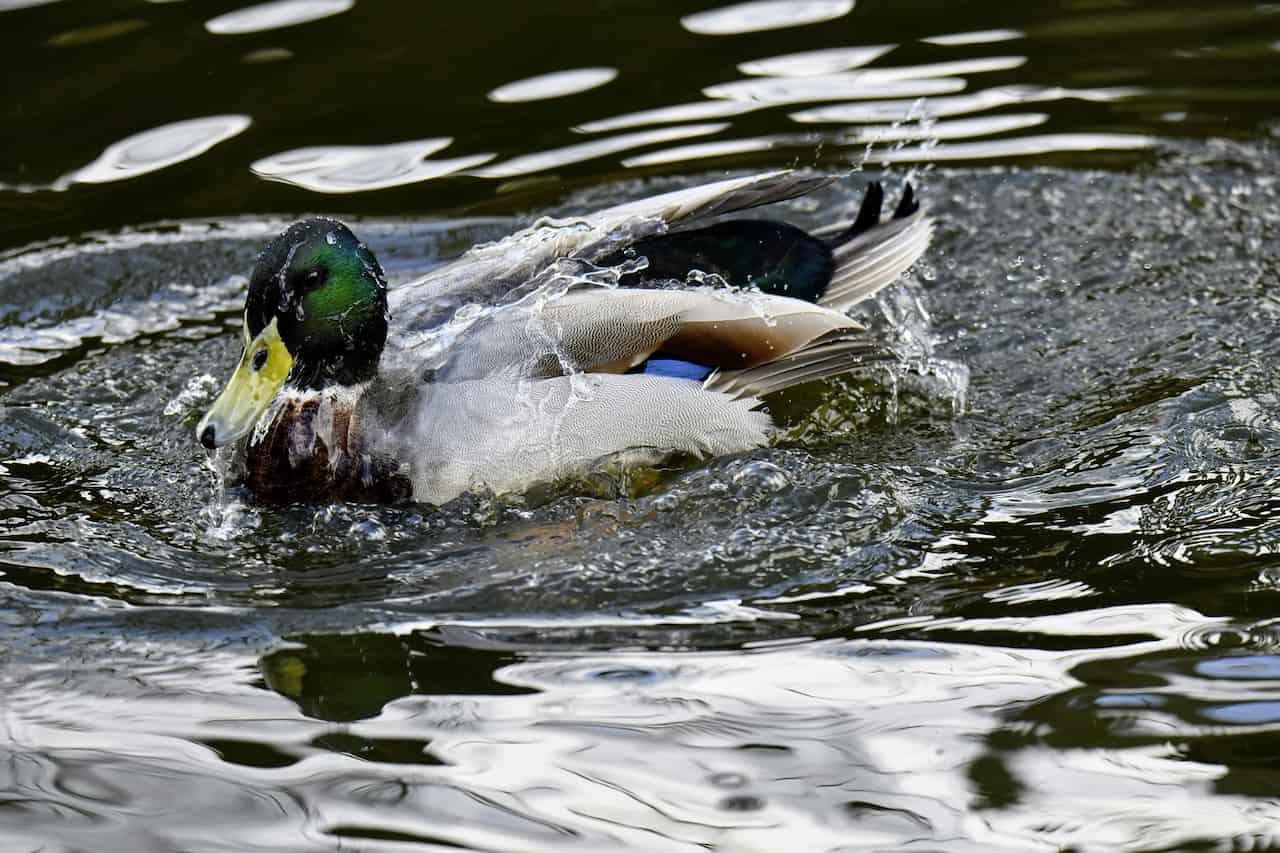
Birds visit from the very first days to drink and bathe at the margins. A mature pond of three years or more, well-planted and undisturbed, can support multiple dragonfly species breeding simultaneously alongside breeding frogs, toads and newts – an extraordinary wildlife spectacle achievable from an ordinary UK garden.
Ongoing Maintenance
A wildlife pond needs surprisingly little maintenance. The main task is managing excessive plant growth – some marginal species spread vigorously and need thinning every two to three years to prevent the pond silting up. Remove excess growth in autumn, leaving cut material on the pond margin for 24 hours before composting to allow any trapped invertebrates to return to the water. Never remove more than one third of the vegetation in a single session.
Remove fallen leaves in autumn before they decompose in the water – a simple pond net dragged across the surface takes a few minutes and significantly improves water quality through winter. In prolonged hard frosts, float a ball on the surface or pour a kettle of warm water to create a hole in the ice – this allows toxic gases from decomposing matter to escape and prevents oxygen depletion beneath a solid ice cap. Never smash the ice, which sends shockwaves through the water that can stun or kill amphibians and invertebrates.
Never use a pump or filter in a wildlife pond. The invertebrates that filters remove are the base of the food chain that makes a wildlife pond work. The water movement created by pumps discourages amphibians from breeding in the disturbed water. A wildlife pond is a still, natural, self-regulating system – the less you intervene beyond the annual clearing of leaves and occasional plant thinning, the better it functions and the richer its wildlife becomes.
Share on socials: