At a glance
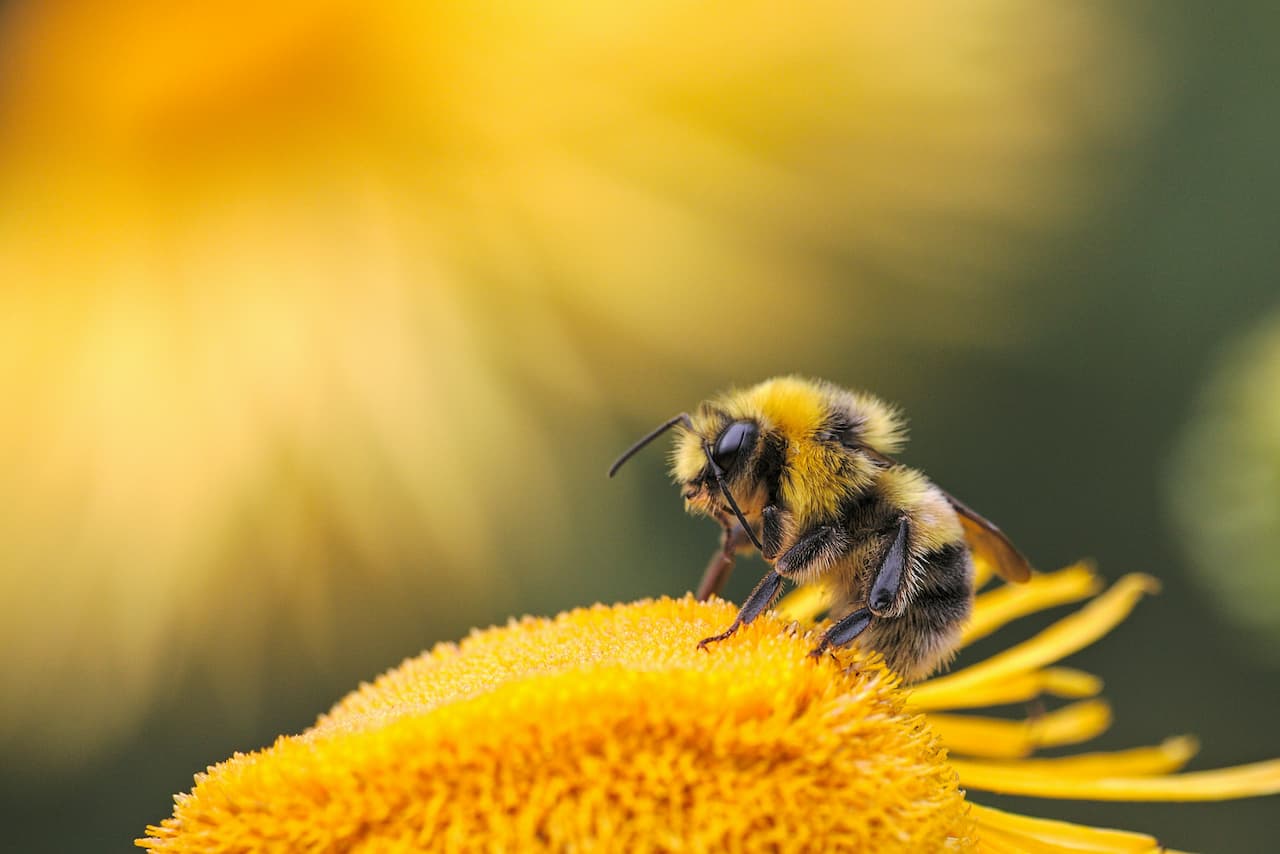
The UK is home to over 270 species of bee, from the familiar bumblebees that visit garden flowers through summer to hundreds of specialist solitary bees that most gardeners never notice. Many of these species have declined significantly in recent decades due to habitat loss, pesticide use and the reduction of flower-rich grasslands and hedgerows across the countryside. Gardens – taken together – represent a substantial area of potential bee habitat, and individual gardens designed with bees in mind make a genuine contribution to supporting local populations. The good news is that even modest, practical changes to how a garden is managed can make a measurable difference.
Creating a bee-friendly garden does not require specialist knowledge or expensive investment. The core principles are straightforward: provide flowering plants that produce accessible nectar and pollen across as long a season as possible, avoid or minimise pesticide use, and leave some areas with the undisturbed bare soil or dead plant material that solitary bees need for nesting. A garden that does these three things well will support far more bee species than one that is immaculately managed with closely mown lawns and bedding plants changed each season. This guide covers each principle in turn with practical, specific actions that work in any UK garden regardless of size.
Why Bees Need Your Garden
Modern agricultural land provides far less food for bees than it did fifty years ago. The intensification of farming has reduced flower-rich field margins, hedgerows and meadows, while the widespread use of herbicides has eliminated many wildflower species that bees depend on. Urban and suburban gardens have partly filled the gap – surveys consistently show higher bee diversity and abundance in well-planted urban gardens than in many intensively farmed rural areas. The collective area of UK gardens represents a genuinely significant wildlife habitat when managed with bees in mind, and the cumulative effect of thousands of individual garden decisions has a measurable population-level impact on bee numbers.
Bees are also not a single homogeneous group. The bumblebees and honeybees most people are familiar with are social species that live in colonies. The majority of UK bee species – around 250 of the 270+ – are solitary bees that nest individually in small burrows or cavities. Many solitary species are highly specialised, visiting only specific plant families or even single plant genera for their pollen. Creating habitat for the full range of bee species requires a wider diversity of plants and habitats than simply planting lavender and hoping for the best. This is why a varied approach – mixing plants, providing different nesting opportunities and avoiding chemicals – produces far better results than any single-focus intervention.
Best Plants for Bees UK
The key principle when choosing plants is to prioritise single-flowered varieties over double-flowered ones. Double flowers look appealing but are bred for extra petals at the expense of nectar and pollen, and many double-flowered varieties produce no food for bees at all. A single-flowered rose or dahlia is dramatically more valuable than its double-flowered equivalent. Native wildflowers – ox-eye daisy, knapweed, teasel, red clover, bird’s-foot trefoil – are among the most valuable plants in any bee-friendly garden and can be incorporated wherever space allows, even in a small border or a patch of unmown lawn. Growing lavender and chives as part of a herb garden provides reliable bee forage alongside practical kitchen benefits – two jobs from a single planting.
Flowering Across the Season
A garden that flowers only in June and July, however abundantly, leaves bees without food in the critical early and late season periods. Early spring flowers provide essential food for queen bumblebees emerging from hibernation in February and March before most other flowers are available. Late-season plants supply food through September and October when natural sources are declining rapidly. Ivy deserves special mention as one of the most important late-season plants – its inconspicuous flowers produce abundant nectar from September to November visited by large numbers of ivy bees, bumblebees and hoverflies when little else is available.
Nesting Habitat for Solitary Bees
Providing flowers is only half the picture for a genuinely bee-friendly garden. Most UK bee species are solitary, and they need nesting habitat as well as food. The majority of solitary bees nest in the ground – bare or sparsely vegetated south-facing soil patches where females can excavate small burrows. A small patch of bare, free-draining soil in a sunny position is among the most valuable additions a gardener can make for solitary bees, often more impactful than any commercial bee hotel. If your garden has a south-facing border edge, leaving a 30cm strip unplanted, uncompacted and free of mulch creates exactly the conditions that mining bees, mining wasps and other ground-nesting species need to establish. Leaving some areas less managed is also important – old dry stems left standing through winter provide overwintering sites, and a pile of logs or twigs in a shaded corner hosts wood-nesting species. The same wildlife pond that attracts dragonflies and frogs also serves as a water source and mud-collection site for mason bees.
Avoiding Pesticides
Pesticide use is one of the most significant threats to bees in garden settings. Insecticides kill bees directly when applied to flowering plants, and systemic insecticides – particularly neonicotinoids – persist in plant tissues including pollen and nectar, exposing bees throughout the flowering period even when the spray has dried. Fungicides and herbicides cause additional indirect harm by reducing the abundance of flowering plants and damaging the gut bacteria of bees that contact them during foraging.
The most impactful change most gardeners can make is to stop using systemic insecticides on flowering plants entirely. If pest control is necessary, use targeted physical methods, biological controls or contact insecticides applied in the evening when bees are not flying. Accepting that plants will sometimes show some pest damage is a necessary part of a garden that genuinely supports wildlife rather than one that simply provides flowers while undermining bee health with chemical treatments applied throughout the growing season. Many pest problems that seem to require chemical intervention can be managed effectively with hand-picking, physical barriers, companion planting and encouraging natural predators – approaches that cost nothing and harm nothing.
Water and Shelter
Bees need water, particularly in hot dry summers when natural sources dry up. A shallow dish of water with stones or marbles providing landing platforms gives bees a safe drinking site – deep water without landing platforms drowns bees rather than helping them. Change the water every few days in summer to prevent mosquito breeding and algae build-up. Positioning the water dish near bee-friendly plants makes it easy for foraging bees to locate. A small saucer filled with wet sand or soil also provides the damp material that red mason bees use to seal their nest cells – a simple addition that supports nesting as well as drinking.
Shelter matters more than most gardeners realise. Bumblebee queens emerging from hibernation in February and March need warm, sheltered spots to feed on early flowers on cold days – a south-facing wall or fence with flowering plants in front of it creates a microclimate several degrees warmer than open ground. Through summer, long grass, leaf litter and dense low planting provide refuge for bees resting between foraging trips. The instinct to tidy up every corner of the garden is the single habit most worth resisting for the benefit of bees and other invertebrates.
Bee-Friendly Gardening in a Small Space
Even a small balcony or patio garden can make a meaningful contribution to local bee populations. A few well-chosen containers of lavender, borage, phacelia or thyme provide reliable forage, and a small bee hotel fixed to a south-facing wall adds nesting habitat without using any floor space. The key is to prioritise density of flowers over variety of foliage – three pots of lavender and two of borage are more valuable for bees than ten pots of ornamental grasses and one flowering plant. For more ideas on productive small-space planting, our guide to container gardening for beginners covers the basics of making the most of limited outdoor space.
Share on socials: