At a glance
Why bats are worth attracting
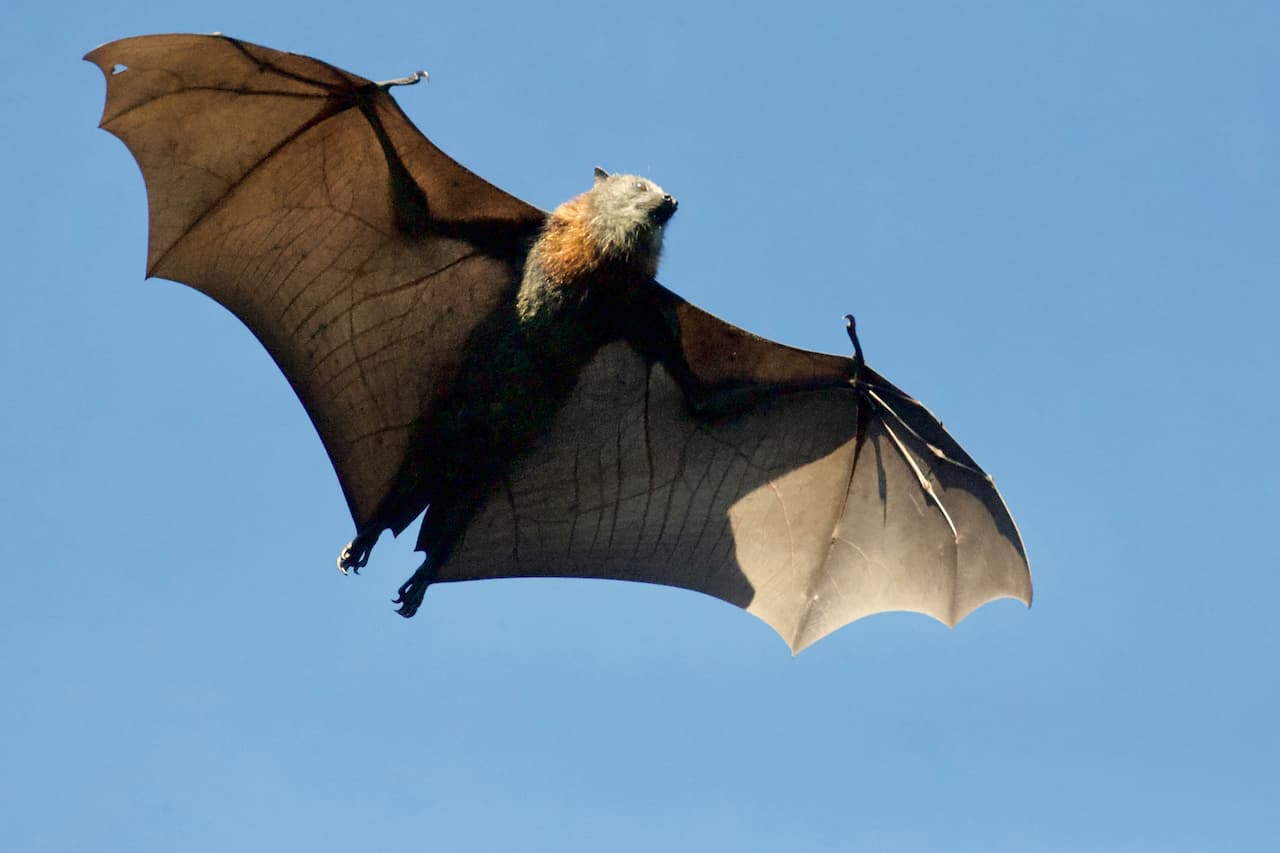
All 18 resident UK bat species are fully protected under the Wildlife and Countryside Act – it is illegal to disturb a roost, handle a bat or block access to a roost site without a licence. But beyond the legal protection, bats are one of the most effective natural pest controllers available to any UK garden. A single common pipistrelle – Britain’s most common bat and the species most likely to visit a suburban garden – can catch over 3,000 small moths, midges, gnats and mosquitoes in a single night. A garden that hosts a small bat colony provides highly effective biological control of flying insect pests with no intervention required and no cost to the gardener.
Bats are indicators of a healthy, invertebrate-rich garden environment. They congregate where insect numbers are high, which means attracting bats and supporting other beneficial insects are essentially the same task – build the right habitat and both will follow. A garden managed well for bats will almost inevitably also attract more moths, beetles, spiders and amphibians. The practical steps are the same ones that benefit the wider wildlife garden: diverse planting, water provision, reduced pesticide use and retention of structural features such as old trees, log piles and dense hedging.
A bat detector transforms bat watching into a genuine hobby. Bats echolocate at frequencies above normal human hearing, but a heterodyne bat detector converts their calls into audible sound. Different species produce recognisably different calls, making it possible to identify which bats are visiting your garden. Entry-level detectors are available from around £30-40 and make dusk garden sessions significantly more engaging.
Bat boxes – placement and types
Bat boxes work on the same principle as bird nest boxes – providing an artificial roost site that replicates the crevices and cavities bats use naturally in old trees and buildings. The key differences from bird boxes are height and warmth. Woodstone or woodcrete boxes, made from a wood-concrete composite, last far longer outdoors than plain timber and retain heat more effectively. Install a minimum of three boxes facing slightly different directions – bats move between roost sites as temperatures change and multiple options increase the chance of occupancy.
Height – at least 4 metres, ideally higher
Bats drop from their roost to gain airspeed before flying. A box at 2 metres on a fence post will never be used. Trees, house gables and high garden walls are the correct mounting locations. The higher the better within reason – 5-6 metres on a mature tree is ideal.
Orientation – south or south-west facing
Heat retention matters significantly. Bats roost in warm spots because warmth allows faster digestion and reduces the energy cost of temperature regulation in young bats. South or south-west facing boxes in full sun are most likely to be used, particularly by female bats establishing maternity roosts in spring.
Clear flight path below and in front
Bats need an unobstructed flight line to access the box. Avoid mounting where branches or structures cross immediately below or in front of the entrance slot. The area below the box needs to be open enough for a bat to swoop in from flight, not squeeze through foliage.
Be aware of roost protection law
Once bats begin using a bat box, that box becomes a protected roost site. You cannot remove, relocate or block access to it without a licence – even if it is on your own property. Position boxes on trees, garage gables or boundary walls where access would not normally be required, rather than on structures you may want to work on in future.
Planting for night insects
Bats eat night-flying insects, so the most direct way to increase bat foraging activity in a garden is to increase the population of night-flying moths, midges and other invertebrates. Night-scented and pale-flowered plants that open or intensify their scent after dusk attract moths, which in turn attract foraging bats. A wildlife hedge of native species – hawthorn, blackthorn, field maple, hazel – provides enormous insect habitat and a flight line for bats moving through the garden. Bats typically follow linear features such as hedges and tree lines when foraging, so a connected hedge linking garden boundaries to trees dramatically increases the time bats spend in the garden.
Water and lighting
Water is strongly associated with high bat activity. Many UK bat species hunt preferentially over water, hawking at low level to catch the large numbers of midges, mayflies and caddisflies that emerge from ponds and slow-moving water. A wildlife pond with natural margins and no fountain or aerator produces far more emerging insects than turbulent water and is one of the single most effective additions for bat activity in a garden. Even a large half-barrel or container pond creates a local insect emergence hotspot that draws in foraging bats on summer evenings.
Artificial lighting has the opposite effect. Bright white LED security lights and decorative garden lighting disrupt bat foraging behaviour significantly – most UK bat species avoid brightly lit areas. If garden lighting is desired, warm amber LEDs are far less disruptive than cool white. Motion-activated lights that are off by default are much less damaging than permanently lit areas. Studies have shown that a single bright garden light can disrupt moth activity across a surprisingly wide area, pulling moths away from their host plants and reducing the insect base bats depend on. A dark patch near the pond or hedge – deliberately left unlit – is often where bat activity is highest on summer evenings.
Bat seasonal calendar
Common UK garden bat species
Share on socials: