At a glance
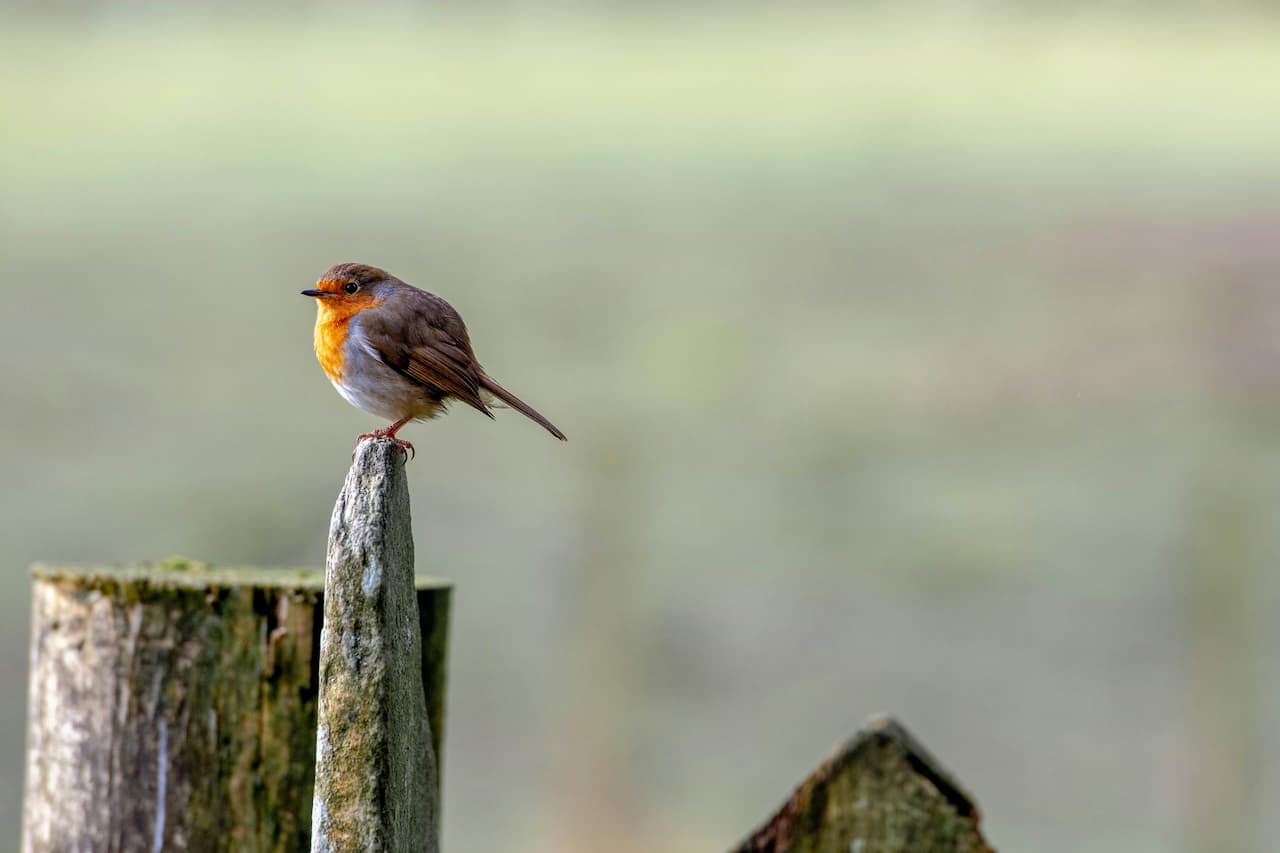
Robins are insectivorous birds with a natural diet built around invertebrates – worms, beetles, ants, spiders and the grubs of various soil-dwelling insects. In the garden, the food that most closely replicates this natural diet is live or dried mealworms. Live mealworms are the preferred option – robins locate food largely by sight and movement, and living mealworms draw them in rapidly. Dried mealworms are a convenient alternative that keep well and are effective, particularly if soaked in water for a few minutes before offering. Robins are ground feeders by nature and strongly prefer to feed at or near ground level – unlike blue tits and great tits that readily use hanging feeders, a robin’s first instinct is always downward.
The garden features that matter most for robins are low ground cover for foraging, dense shrubs for nesting, and some bare soil or leaf litter under hedges and borders where invertebrates concentrate. A garden that provides all three will hold a resident robin year-round. Feeding garden birds generally benefits from varied placement at different heights, but for robins specifically, low and sheltered is always the priority.
Feeding robins – what to offer and where
The food hierarchy for robins is straightforward. Live mealworms first, dried mealworms second, softbill mix and fruit as supplementary options. Nothing else comes close. Robins are not seed eaters by preference – their beaks are not built for cracking seed husks, and they will largely ignore sunflower hearts, peanuts and mixed seed mixes that other garden birds take readily. Placing these foods and calling it robin feeding is a common mistake that provides little benefit to the birds and reduces the effectiveness of the feeding station for the species you actually want to attract.
Placement matters as much as the food itself. A low ground feeding tray placed under a bush or hedge edge suits robins far better than a hanging feeder – though they will use open-fronted feeders mounted at low height if ground level is not available. Avoid placing food in the open centre of a lawn where robins feel exposed. The edge of a border, under a shrub or on a low wall close to cover is where they feel most secure and will feed most confidently. During breeding season, avoid offering dried mealworms as adults may feed them to chicks where they present a choking risk – live mealworms are always the safer choice when young are in the nest.
Garden habitat and ground cover
Robins are birds of woodland edge and hedgerow in the wild, and the garden features that best replicate this habitat are the ones most likely to encourage them to take up permanent residence. Dense, low shrubs with leaf litter underneath – hawthorn, holly, ivy, pyracantha – provide the covered foraging ground robins use throughout the year. They hunt primarily by watching from a low perch and dropping to the ground when they spot movement in the leaf litter below, so a garden with some open bare soil under shrubs and hedges is far more attractive than one with densely planted groundcover that obscures invertebrate movement.
Compost heaps are excellent robin habitat. The warm, invertebrate-rich environment of an active compost heap is irresistible to robins, and many gardeners find their resident robin follows them closely whenever the heap is turned. Similarly, any digging activity in borders draws robins in immediately – they have learned to associate human digging with exposed worms and will often land within metres of the spade. A garden pond with a shallow margin also benefits robins, providing drinking and bathing water at accessible depth and attracting the invertebrates robins feed on.
Leave a corner of your garden a little wild. A patch of leaf litter under a hedge, an undisturbed log pile or a section of rough grass left unmown provides overwintering habitat for the invertebrates that robins depend on. A perfectly manicured garden with no leaf litter and no bare soil under shrubs offers robins very little natural foraging. Small wild corners make a significant difference to how much time a robin spends in your garden.
Nesting boxes and nesting sites
Robins are famously flexible nesters – they will use a huge range of locations including old kettles, boots, open shelves in sheds and dense ivy. The key characteristic of all successful robin nest sites is that they are open-fronted, sheltered from above and concealed from direct view. A dedicated robin nest box should have a large open front – typically 100mm or more wide – rather than the small circular entrance hole used by blue and great tits. Position it at 1-2 metres above ground, ideally tucked into a hedge or covered by climbing plants, facing between north and east to avoid direct afternoon sun heating the eggs.
How to hand-feed a robin
Robins are one of the very few wild UK birds that can genuinely be tamed to feed from the hand – a characteristic that comes from their natural behaviour of following large mammals to catch invertebrates disturbed by digging. The process requires patience but is entirely straightforward with the right approach. Most garden robins will be feeding from the hand within two to four weeks of consistent, patient sessions – and once trust is established, the same individual bird will return to the same person session after session.
The key to success is consistency – same time, same location, same person. Robins form individual relationships with specific people and may be significantly more wary around other family members initially. Avoid sudden movements, loud noises or direct eye contact in early sessions. Winter is the best time to start because natural food is scarcer and robins are more motivated to overcome their caution. Once trust is established robins become remarkably bold and will actively follow their chosen human around the garden seeking food – perching on a spade handle or a nearby branch within arm’s reach while waiting. A robin that has been hand-fed for a season will typically approach immediately on sight, recognising its person before the food is even produced.
Seasonal needs throughout the year
Robins are resident UK birds that remain in their territories year-round, meaning their need for supplemental food and habitat support continues across all seasons rather than just winter. In the breeding season from March to July, high-protein live food is especially valuable as adults need to feed growing chicks. Avoid offering dried mealworms during the breeding season as adults may carry them to nestlings where they present a choking risk. Outside the breeding season, robins defend territories fiercely and resident garden robins will drive off competitors – so you are typically feeding the same individual bird from autumn through to the following summer.
Winter is the most important feeding period. Frozen or waterlogged ground makes natural foraging for worms and beetles very difficult, and robins that have a reliable daily food source survive cold snaps that can prove fatal to under-fed individuals. Dried mealworms offered every morning at the same time will reliably bring the resident robin within minutes – once a feeding routine is established they learn the schedule and wait. A saucer of clean, shallow water placed near the feeding spot is also valuable in freezing weather when ice prevents drinking from natural sources. A garden that consistently supports its resident robin through winter with daily mealworms and accessible water is providing genuine conservation value for a species that – despite its abundance and familiarity – still depends on reliable food availability when natural sources fail.
Share on socials: