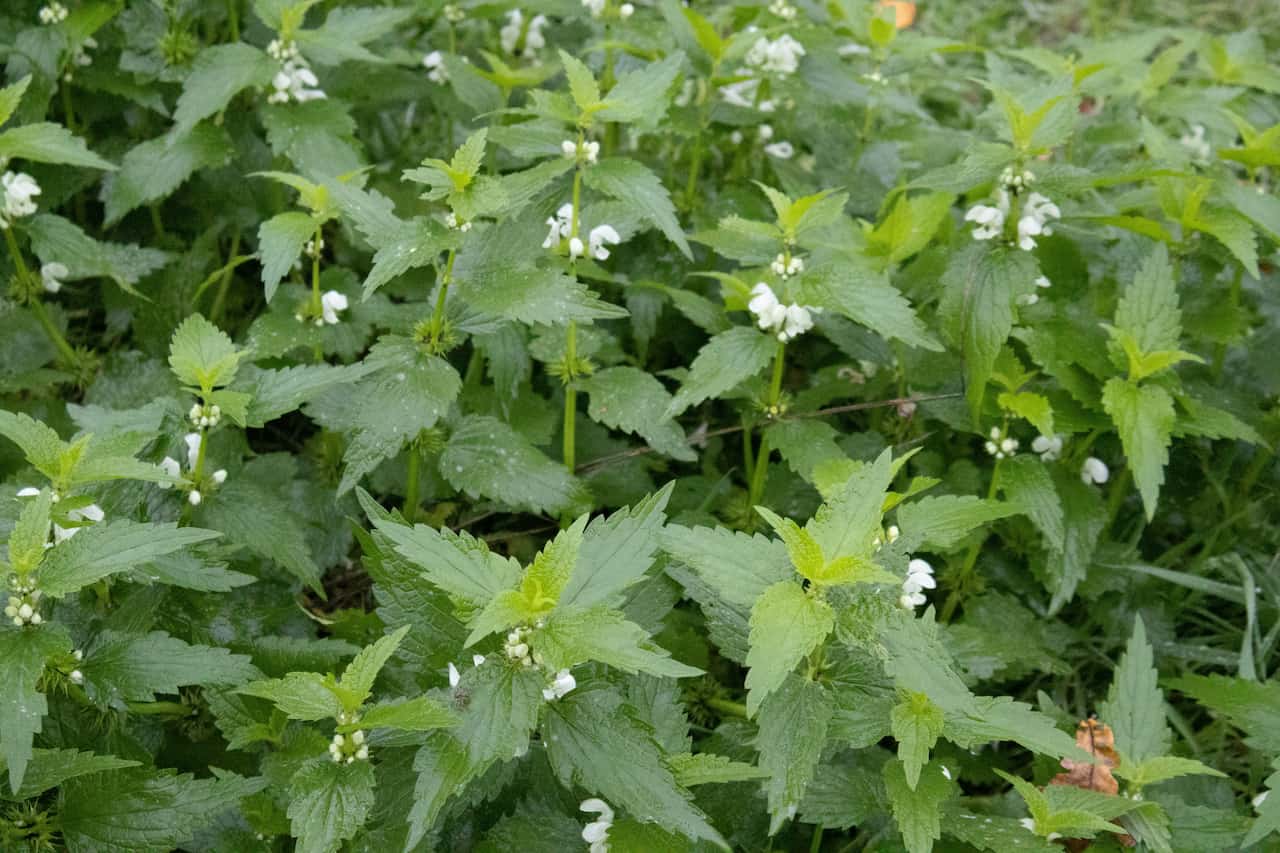
Ground elder (Aegopodium podagraria) was introduced to Britain by the Romans as a medicinal and culinary herb – one of history’s less welcome botanical gifts. It spread from monastery gardens into the wider countryside and has been a fixture of UK borders ever since. Its ability to regenerate from the smallest root fragment makes it one of the most persistent weeds a UK gardener faces, and its deep shade tolerance means it establishes in parts of a border where most other weeds cannot follow. The combination of fast horizontal spread, shade tolerance and near-indestructible root fragments means that a single overlooked plant in a neighbour’s garden can recolonise a cleared border within a season if no boundary barrier is installed.
The frustrating reality of ground elder control is that partial treatment is often worse than no treatment. Disturbing the rhizomes without either fully removing them or systematically killing them with a systemic herbicide spreads the problem. A rotovator applied to ground elder-infested soil multiplies the infestation dramatically – each chopped root fragment becomes a new plant. Understanding this biology before starting any control programme determines whether the effort will succeed or fail.
Identifying ground elder and its biology
Identification guide
Feature
What to look for
Leaves
Bright green, divided into groups of three leaflets with serrated edges. Elder-like appearance at leaf level, though completely unrelated to elder trees.
Stems
Hollow, ridged, with a distinctive unpleasant smell when crushed. The smell is the most reliable identification characteristic – rub a stem between your fingers.
Flowers
Flat-topped clusters of small white flowers in June and July. Similar in appearance to cow parsley – check the ridged hollow stem to confirm identification.
Roots
Shallow white rhizomes that run horizontally 5-15cm below the soil surface. Brittle and snap easily when pulled, leaving regenerating fragments behind.
Spread rate
A single plant can colonise several square metres in one season. Rhizomes travel several metres from the parent plant and establish new colonies at the tips.
Ground elder is one of the earliest weeds to emerge in spring, pushing growth before most garden plants are active. This early emergence gives it a competitive advantage – by the time you notice it, it has already claimed light and root space. It is also one of the most shade-tolerant weeds in the UK flora, thriving under deciduous shrubs, in dry shade under hedges and in the densely planted borders where most gardeners least want to apply herbicide. These two characteristics – early emergence and shade tolerance – make it a particularly difficult weed to control by planting competition alone.
💡Ground elder is edible – harvest young leaves while you work on eradication. The young spring leaves before flowering have a mild anise flavour and are excellent cooked like spinach or added raw to salads. Harvesting the emerging growth in April has the useful side effect of weakening the plant by denying it early photosynthesis. It will not solve the infestation, but it reduces the season’s root energy accumulation while providing genuinely good eating.
Chemical control – glyphosate gel method
Glyphosate is the most effective chemical treatment for ground elder. It is a systemic herbicide – absorbed through the leaves and translocated through the plant into the root system, killing the roots rather than just the top growth. This is the characteristic that makes it effective against ground elder where contact herbicides are not: glyphosate reaches and depletes the rhizome system that drives regrowth. The challenge in a planted border is applying it selectively without damaging surrounding garden plants. Glyphosate gel, applied by paintbrush directly to ground elder leaves, solves this problem entirely.
Glyphosate gel treatment – step by step
1
Wait until May or June when leaves are fully expanded and the plant is in active growth. Do not treat the tiny emerging shoots in early spring – glyphosate uptake is poor in young, unexpanded foliage.
Critical timing
2
Using an old paintbrush, paint glyphosate gel directly onto every visible ground elder leaf. Work systematically – miss leaves and the missed roots survive. Treat every patch, including shoots growing through other plants.
Apply gel
3
Leave undisturbed for 3-4 weeks. Glyphosate takes this long to fully translocate into the root system. Disturbing the area or pulling top growth before this period is complete breaks the treatment cycle.
Wait
4
Treat regrowth immediately when new leaves are fully expanded – typically 4-8 weeks after each treatment. Each treatment round reduces the root system’s energy reserves and regenerative capacity.
Repeat
5
Persist for a minimum of 2-3 growing seasons. Most infestations require this duration before the root system is exhausted. Stopping after one season allows recovery – the remaining roots rebuild energy reserves over winter.
Persist
Glyphosate gel vs spray – which to use
Gel (paintbrush)
Best for planted borders. Pinpoint accuracy – no risk to surrounding plants. Slower to apply but no collateral damage. Works well even when ground elder is growing through valuable plants. Use in all mixed border situations.
Liquid spray
Only on cleared ground. Use only on areas cleared of other plants where ground elder is the sole vegetation. Faster coverage but kills everything it contacts. Ideal for the suppression-of-cleared-ground stage of a complete clearance programme.
Amazon
Ground elder control – UK picks
As an Amazon Associate I earn from qualifying purchases. Prices correct at time of publishing.
Organic methods that work
Organic control of ground elder is achievable but requires a longer timeframe and more consistent physical effort than chemical treatment. None of the organic methods below eliminates ground elder within a single season – all require commitment across two or more growing years. The payback is a chemical-free garden and a control programme that causes no collateral risk to other plants, soil organisms or wildlife.
Organic control methods compared
Persistent hand removal
Remove all top growth every 2-3 weeks throughout the growing season. Trace root runs and remove as much rhizome as possible without breaking it. Takes 3-5 years of consistent effort but fully effective. Works best in lighter, loamy soils where intact roots can be followed and lifted.
Deep bark mulch
A 15cm layer of woodchip bark mulch suppresses ground elder significantly by blocking light to emerging shoots and making each shoot fight through depth before it photosynthesises. Not elimination, but effective management that buys time for a longer-term solution. Refresh annually.
Light exclusion (polythene)
Black polythene laid over infested ground for a full growing season (March to October) kills top growth by light exclusion and significantly weakens the root system by denying it photosynthesis for a full year. Impractical in a planted border but highly effective on cleared ground during a complete clearance programme.
⚠️Never rotovate or dig deeply in ground elder-infested soil. Rotovating chops the brittle rhizomes into dozens of small fragments, each of which regenerates as a new plant. This multiplies the infestation dramatically within a single season. Only dig when extracting complete, intact root sections that can be fully removed and disposed of. If roots break during removal – and they will – treat the area chemically rather than continuing to dig.
Complete border clearance – the nuclear option
For borders with severe, established ground elder growing through the root systems of valued garden plants, treating in situ is often more frustrating than productive. The rhizomes intertwine with desirable plant roots so thoroughly that targeted removal or chemical treatment without damaging the plants becomes near-impossible. In these situations, complete border clearance followed by a full suppression season is the most efficient route to a permanently clean result, even though it involves temporarily losing the border planting.
Autumn – lift plants
Carefully dig up any garden plants worth saving. Wash roots thoroughly under running water and remove every visible trace of ground elder rhizome from each root ball before potting plants up temporarily in clean compost.
Winter – clear border
Remove all remaining plant material and as much root as possible by hand and with a fork. Do not rotovate. Get out the main root crowns and as much lateral rhizome as you can reach without breaking the roots further.
Mar – Oct – suppress
Cover cleared ground with black polythene for the full growing season, or apply glyphosate spray to all emerging growth repeatedly through the season. Either approach significantly reduces root reserves within a single suppression year.
Following autumn – replant
Replant in autumn once the suppression season has significantly reduced ground elder. Monitor carefully in the first season back and treat any regrowth immediately with glyphosate gel before it re-establishes.
The key step that determines whether this approach works is the thorough root wash of lifted plants. Any ground elder rhizome fragment remaining in a pot or root ball will reintroduce the weed to the freshly cleared border when you replant. Wash every root ball under running water and inspect carefully before potting up. Plants received from other gardeners should receive the same treatment – ground elder spreads readily in soil attached to divided perennials and is one of the most common ways infestations begin in a previously clear garden.
Preventing reinvasion
Reinvasion prevention – key measures
Install root barriers at boundaries. If ground elder is entering from neighbouring gardens under fences, install vertical root barrier membrane (45-60cm deep) along the fence line. Dig a narrow trench, insert the membrane vertically and backfill. This blocks horizontal rhizome travel across the boundary.
Most important
Never compost ground elder roots. Rhizomes survive domestic composting unless the heap reaches sustained high temperatures. Bag roots in black bags and bin them, or leave in a sealed black bag in the sun for a full season to desiccate before disposal.
Essential
Inspect new plants before planting. Ground elder spreads easily in the soil attached to divided garden plants. Wash root balls of any plants received from other gardeners and inspect carefully before introducing to a clean border.
Important
Maintain dense planting. A densely planted border with good ground cover gives ground elder less opportunity to establish from incoming seed or rhizome. Bare soil gaps are the most common entry points for reinfestation.
Helpful
Ground elder is one of the most persistent weeds in the UK garden but it is fully beatable with sustained effort. The key principle is consistency – treat every round of regrowth without giving the plant time to rebuild the root energy reserves it needs to continue regenerating. Whether you choose chemical or organic control, every season you treat without interruption progressively weakens the infestation. The gardens that fail to clear it are those where treatment is applied for one season, the weed appears defeated, and the following spring growth is left unchecked – the roots rebuild within months and the problem returns to its original scale. Commit to two full seasons of treatment without a break and the outcome is reliable.
Amazon
Ground elder control – UK picks
As an Amazon Associate I earn from qualifying purchases. Prices correct at time of publishing.