At a glance
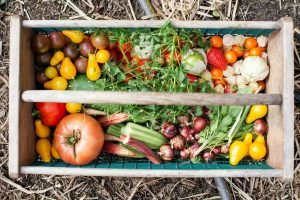
Edible gardening in the UK is more accessible than most people realise when they first consider it. The country’s temperate climate suits a remarkably wide range of food crops – from salad leaves that can be cut within four weeks of sowing to fruit trees that produce for decades. The key to productive food growing is understanding the rhythm of the growing season: what to start in late winter indoors, what to direct sow outdoors once the soil warms in April and May, when to harvest each crop for best flavour and yield, and how to extend the season into autumn and winter with hardy varieties and simple protection. The gap between what people imagine food growing requires and what it actually takes in terms of time and skill is consistently larger than the reality – a productive kitchen garden or allotment bed does not need daily attention, specialist knowledge or expensive equipment. It needs the right crops planted at the right time in reasonably prepared soil, with consistent watering in dry periods and regular harvesting.
Most first-time food growers make the same mistake: they try to grow too many different things simultaneously, become overwhelmed by the range of tasks and give up before the first harvest. A far better approach is to start with three or four of the most reliable, high-yielding crops – courgettes, French beans, salad leaves and beetroot are a strong starting four – master those in the first season and add new crops each year as confidence and knowledge grow. This approach consistently produces better harvests and more sustained engagement with growing than attempting a full allotment’s worth of variety from day one. The pleasure of pulling the first homegrown beetroot or picking the first courgette is more motivating than managing twenty half-successful crops, and the skills built with a small number of crops transfer directly to everything that comes afterwards.
The Growing Calendar
Key Crops – Yield and Harvest Guide
The yield figures above are typical for well-maintained growing in reasonable UK conditions – outdoor tomatoes, courgettes and beans will often exceed these figures in a warm, sheltered summer. Carrots and parsnips are the most variable crops in terms of yield – they are sensitive to soil conditions and can produce beautifully in light, stone-free soil but fail in heavy clay. If your soil is heavy, raising the bed with added horticultural grit and well-rotted compost before sowing root vegetables makes a significant difference to both germination rates and root development. Brassicas including kale, cabbage, Brussels sprouts and broccoli benefit from firm soil and a slightly alkaline pH – if your soil is acidic, liming the brassica area in autumn before planting will improve yield noticeably. Always test soil pH before adding lime; over-liming a soil that is already neutral will lock out nutrients and damage crops.
Crop rotation is the practice of growing different plant families on different areas of the growing space in successive years, rather than growing the same crops in the same place repeatedly. The main reason is disease prevention – many soil-borne pests and diseases build up in the soil when the same crop family is grown in the same location year after year. Clubroot in brassicas, onion white rot and potato blight are all significantly worsened by failing to rotate. A simple four-bed rotation divides the growing space into four sections and cycles brassicas, roots, legumes and potatoes through each section on a four-year rotation. Even in a small garden with just two or three growing beds, some form of rotation – moving the main crop families to a different bed each year – meaningfully reduces disease pressure and improves soil health over time.
How to Know When Crops Are Ready
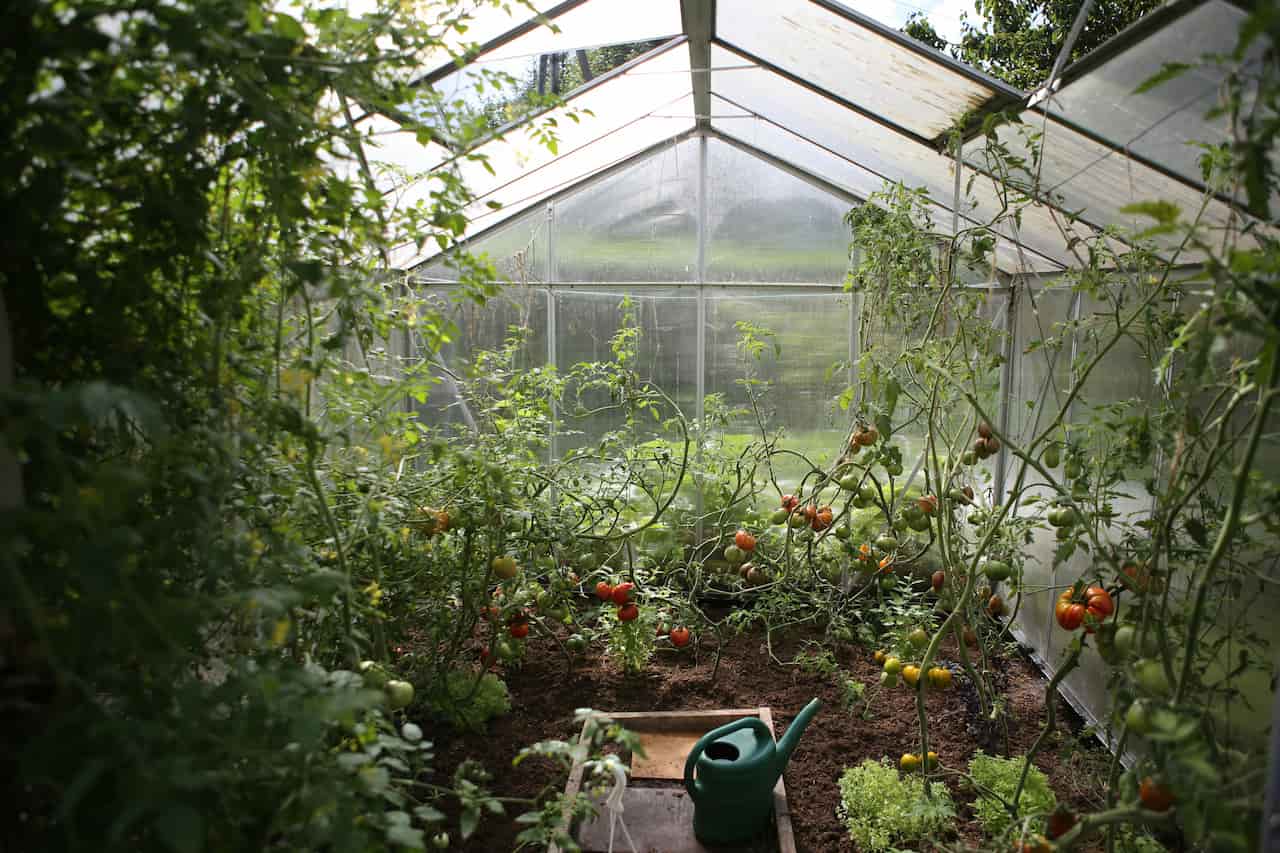
The most common harvesting mistake is waiting too long. Most vegetables taste best – and produce most prolifically – when harvested on the young side. Courgettes picked at 15cm are tenderer and more flavourful than those left to reach 30cm. French beans snapped before the seeds develop inside are more delicate than stringy oversized pods. Beetroot pulled at golf-ball to tennis-ball size has a sweeter, earthier flavour than large woody oversized roots. The counter-intuitive rule of edible gardening is that the more frequently you harvest, the more the plant produces – regular picking signals continued productivity, while leaving ripe produce in place triggers the plant to direct energy into seed development and stop cropping. For tomatoes specifically, the most reliable end-of-season approach when frost threatens is to cut the entire plant and bring it indoors – tomatoes will ripen slowly on the truss indoors over two to three weeks, and taste far better than those artificially ripened with ethylene gas at scale in commercial supply chains.
Extending the Season
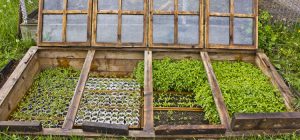
Successional sowing – making small sowings of the same crop every two to three weeks rather than one large sowing – is the most important technique for avoiding the feast-and-famine cycle that affects most new food growers. A single large sowing of lettuce will produce 20 heads ready simultaneously, most of which will bolt before they can be eaten. Three smaller sowings three weeks apart produces a steady supply over six to eight weeks. The same principle applies to radishes, salad leaves, spinach, French beans and beetroot. Once successional sowing becomes habitual, the productive season extends significantly and waste from gluts is dramatically reduced. Keeping a simple growing diary – just a notebook recording what was sown, when and where – makes it much easier to plan successive sowings and to identify which varieties performed best in your specific conditions and microclimate. After a few seasons, this personal record becomes more useful than any general growing guide because it is calibrated to your own soil, aspect and local climate.
Share on socials: