At a glance
Most gardeners think of a cloche primarily as frost protection – a way to stop tender plants being killed by late frosts in spring or early frosts in autumn. That is accurate but it misses the more interesting and more consistently valuable thing that cloches do: they warm the soil. Soil temperature governs germination speed and root development far more than air temperature does, and a cloche placed over a vegetable bed in late February will raise soil temperature by three to six degrees Celsius within two weeks – enough to transform a marginal sowing environment into one that genuinely supports fast, even germination. The seeds do not know what month it is. They respond to soil temperature. Giving them that warmth early is what a cloche truly does.
Used well, a cloche is one of the highest-return pieces of equipment in the kitchen garden. Used badly – left on too long in warm weather, used without ventilation, or placed on cold wet soil without any pre-warming period – it achieves nothing or actively harms the crop underneath it. The difference between these two outcomes is almost entirely about timing and management rather than about which cloche you buy. A row of simple polythene tunnel hoops managed correctly will outperform an expensive glass cloche used carelessly every time.
What a cloche actually does – beyond frost protection
A cloche creates a sheltered microclimate in three distinct ways. First, it raises air temperature inside the enclosure during daylight hours as the sun warms the trapped air. Second, it reduces heat loss overnight by acting as an insulating layer between the cold outside air and the warmer soil below, slowing the rate at which warmth radiates upward from the ground. Third, and most importantly, it prevents wind-chill – the cooling effect of moving air on plant tissue – which causes as much or more growth check in early spring as actual cold temperature. A plant growing in still air at 8 degrees Celsius grows considerably better than the same plant exposed to a cold east wind at the same air temperature.
Cloches also protect against heavy rain and hail, which can damage emerging seedlings and compact bare soil. They reduce slug and snail pressure significantly, though not completely, because the enclosed environment is drier and less sheltered than an open bed. And they create a physical barrier that reduces bird damage on newly sown seed, which is a significant problem with peas, brassica seedlings and salad crops in spring.
Which crops benefit most – and by how much
Not all crops benefit equally from cloche protection, and understanding where the gains are largest helps you use limited cloche coverage strategically. The crops that benefit most fall into two groups: those that are sown very early and need soil warmth to germinate reliably, and those that are planted out as young plants and need protection from cold nights until they are established. Early peas, salad crops, carrots, beetroot and spinach are the first group. Tomatoes, courgettes, cucumbers, peppers and basil planted out in late May are the second.
The most overlooked use of cloches is at the end of the season rather than the beginning. Outdoor tomatoes almost always have green fruit still on the plant when the first autumn frosts arrive. Covering the plants with a large cloche or wrapping with garden fleece on frosty nights in September and October extends the ripening period by three to four weeks, turning what would be wasted green fruit into a full crop. Similarly, covering autumn-sown salad crops with a cloche from October onwards keeps them producing leaves through mild spells well into winter.
When to put cloches out and when to take them off
The standard advice is to place cloches on the ground two weeks before sowing or planting to pre-warm the soil. This is correct and important – a cloche placed on the same day as sowing does very little for germination because the soil temperature takes time to respond. Two weeks of pre-warming raises soil temperature at five centimetres depth by three to five degrees in a typical UK spring, which can mean the difference between seeds germinating in seven days and seeds sitting dormant for three weeks in cold wet conditions.
When to remove cloches is a judgement that most gardeners get wrong in both directions – either removing too early (exposing plants to a late frost) or leaving them too long (causing heat stress and poor pollination in crops that need insect access to set fruit). The general rule is to remove cloches from flowering crops entirely once the risk of frost has passed in your area, because bees and other pollinators cannot reach flowers through a sealed cloche. For strawberries this means removing the cloche entirely as soon as flowers open. For courgettes and cucumbers it means the same. For non-flowering crops like lettuce and salad, the cloche can stay in place until the weather is warm enough that it is no longer adding meaningful warmth – usually late May in most of the UK.
Use black polythene mulch underneath your cloche for maximum soil warming. A sheet of black polythene laid on the bed for a week before the cloche goes on absorbs heat during the day and transfers it to the soil below. The cloche then holds that warmth overnight. The combination raises soil temperature significantly faster than a cloche alone and also suppresses weed germination beneath the surface, meaning you are protecting clean ground for your crop to establish in.
Ventilation – the most important cloche skill
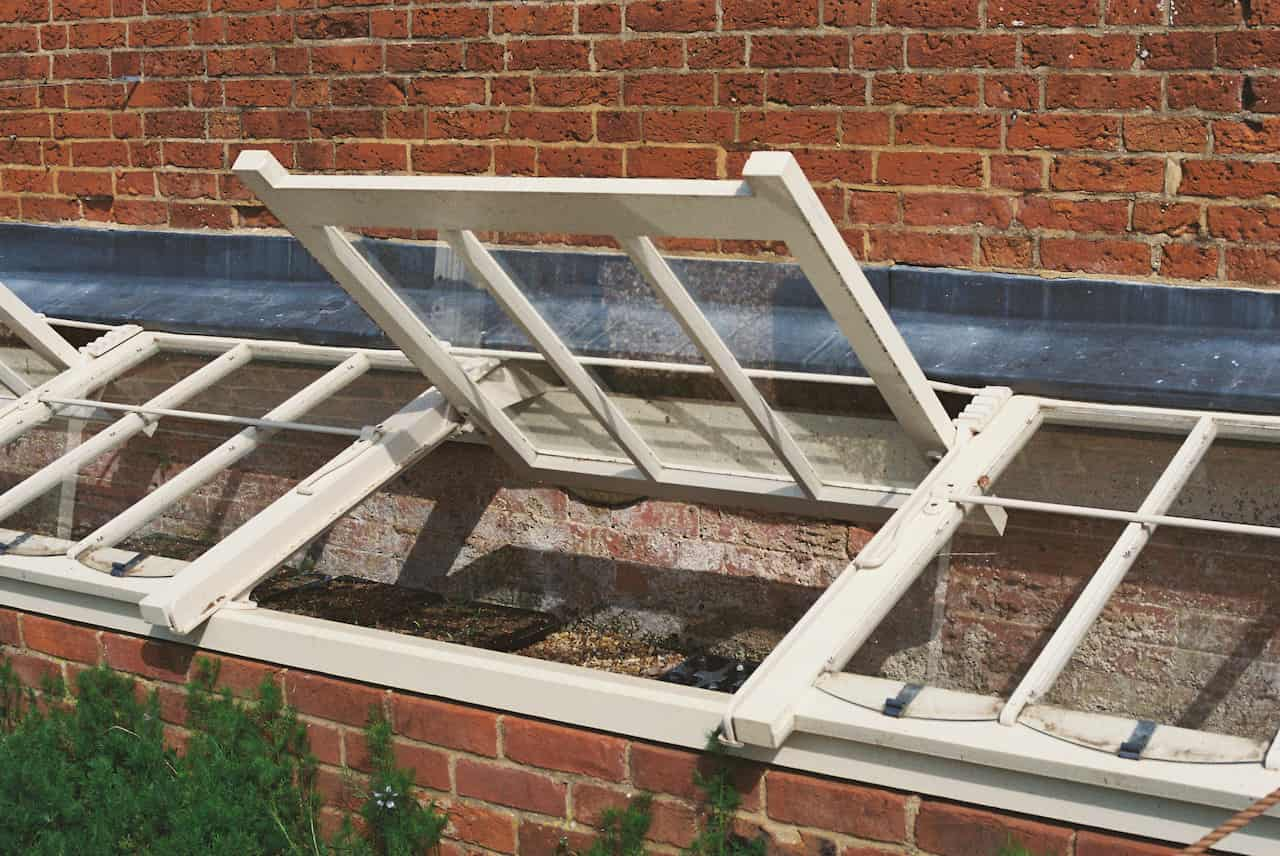
Ventilation is where most cloche failures happen, and the failure mode is almost always overheating rather than cold. On a clear March or April day, the interior of an unventilated cloche can reach 35 to 40 degrees Celsius within an hour of the sun rising. At these temperatures, seedlings wilt, then cook. The plant that survived a -2°C frost overnight with no damage can be completely destroyed by 9am the following morning if the cloche has not been opened. This is not a rare or extreme situation – it happens regularly throughout the UK growing season and is the most common single cause of crop loss under cloches.
DIY cloches – making your own for almost nothing
Commercial cloches are useful but not essential. Some of the most effective cloches in use across UK allotments cost nothing at all and are made from materials that would otherwise be thrown away. Large clear plastic drinks bottles with the base cut off make excellent individual cloches for protecting single plants – a 2 litre bottle placed over a young courgette or pepper plant provides several degrees of frost protection and creates a still air pocket around the stem. Remove the cap in warm weather to ventilate; replace it on frosty nights.
Common mistakes and how to avoid them
The five mistakes that account for most cloche failures in UK gardens are well-known and entirely avoidable. Failing to pre-warm the soil is the most costly in terms of missed early harvest – placing a cloche on the day of sowing provides almost no benefit because cold wet March soil at five degrees Celsius takes ten days or more to warm meaningfully, by which time the seeds have already been sitting in cold wet conditions. Failing to ventilate on sunny days is the most immediately destructive – a single afternoon of overheating can kill an entire row of seedlings. Planting too many crops under one cloche without thinking about pollination requirements creates problems in June and July, when courgettes and cucumbers need insect access that a sealed cloche prevents. Forgetting to water under cloches causes wilting and growth check even in winter, because the covered soil receives no rain. And removing cloches abruptly rather than hardening plants off gradually causes cold shock – transition plants by increasing ventilation over a week before removing the cloche entirely.
Never leave glass cloches unanchored in a garden accessible to children. Glass bell cloches and glass panel cloches are attractive but fragile. A broken glass cloche in a vegetable bed or on an allotment is a serious hazard. If children use your garden, stick to polycarbonate or polythene cloches, which shatter into blunt pieces rather than sharp shards. Anchor all cloches securely against wind – a lightweight polythene tunnel lifted by a gust of wind in February can travel considerable distance and cause damage.
Share on socials: