At a glance
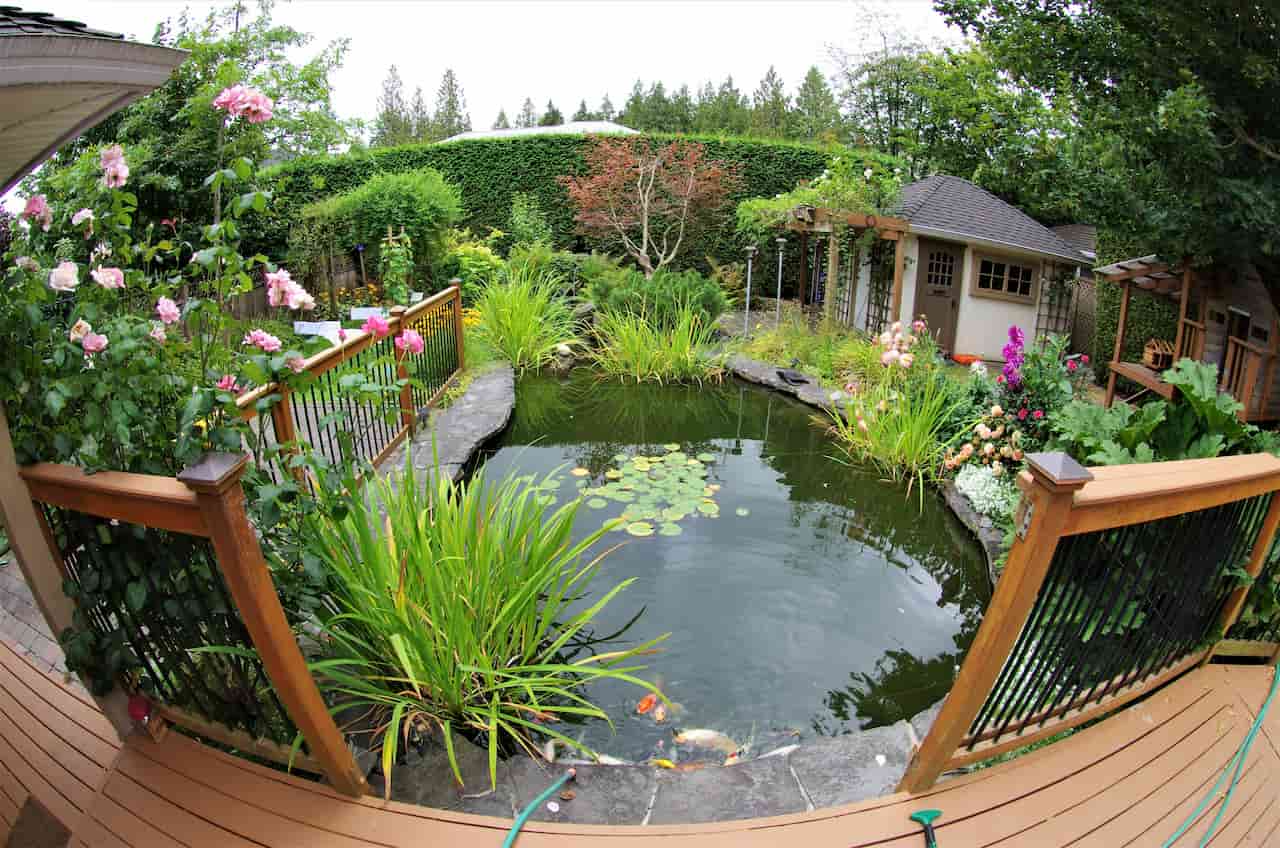
A garden pond is the single most wildlife-friendly thing you can add to a UK garden. Research consistently shows that a pond – even a very small one – attracts more species of wildlife than any other garden feature. Frogs, toads, newts, dragonflies, damselflies, water beetles, birds bathing and drinking – all of these arrive within weeks of a new pond filling, without any deliberate encouragement beyond providing the water itself.
I built a wildlife pond in my Greater Manchester garden three years ago. It measures 2m x 1.5m and is about 60cm at the deepest point. By the following spring it had frogs spawning in it. By summer there were dragonflies and a family of house sparrows using it daily. It cost around £80 in materials and took one weekend to build.
Planning your pond – size, shape and position
The most important planning decisions are position and minimum depth. Get both right and everything else follows naturally.
| Factor | What to aim for | Why it matters |
|---|---|---|
| Position | Partial shade – dappled light rather than full sun or full shade | Full sun causes algae bloom; full shade limits plant growth and warming |
| Minimum depth | 60cm at the deepest point | Water at 60cm stays above freezing in all but the most extreme UK winters, protecting overwintering wildlife |
| Shallow shelf | At least one shelf at 20-30cm depth | Marginal plants need shallow water; shallow edges allow small animals to climb in and out |
| Sloping edge | At least one gently sloping side | Allows hedgehogs, birds and insects to escape if they fall in |
| Minimum size | 1m x 1m is the practical minimum | Smaller ponds overheat, freeze solid and are harder to balance biologically |
| Tree proximity | Avoid directly under deciduous trees | Falling leaves decompose and cause toxic anaerobic conditions |
Bigger is always better with wildlife ponds. A pond twice the size does not cost twice as much to build – the liner costs more but the excavation effort is similar. If you have the space, build as large as you reasonably can. A 2m x 2m pond with a 60cm deep zone supports dramatically more wildlife than a 1m x 1m pond and is far more stable biologically.
Choosing a pond liner
There are three main options for lining a wildlife pond:
- Butyl rubber liner – the best long-term choice. Flexible, puncture-resistant and guaranteed for 25 years by most manufacturers. More expensive than alternatives but effectively a one-time purchase. Use 0.75mm thickness minimum for a wildlife pond.
- EPDM liner – similar performance to butyl but cheaper. Good flexibility, fish and plant safe, long lifespan. The preferred budget alternative to butyl.
- Pre-formed rigid pond liner – plastic or fibreglass shells in fixed shapes. Easier to install but limited in shape and depth options. The 60cm depth requirement rules out many pre-formed options. Fine for smaller decorative ponds but less suitable for serious wildlife ponds.
To calculate liner size: measure the maximum length, add twice the maximum depth, plus 50cm for overlap. Do the same for width. So a 2m x 1.5m pond with a 60cm deep zone needs a liner of (2 + 1.2 + 0.5) x (1.5 + 1.2 + 0.5) = 3.7m x 3.2m.
Excavation and installation
- 1Mark out and excavate in stages Dig the shallow shelf first (20-30cm deep) around the outer zone, then dig the deep central zone to 60cm minimum. Remove all sharp stones from the base and sides – even small stones can puncture a liner over time under water pressure.
- 2Lay underlay before the liner Pond underlay (a thick geotextile fabric) protects the liner from puncture by stones and roots working through from below over time. Do not skip this step – it dramatically extends liner lifespan. Old carpet works as a budget alternative.
- 3Drape the liner into the hole On a warm day (the liner is more flexible when warm), drape the liner loosely into the excavation allowing it to conform to the shape. Weight the edges temporarily with stones. Do not pull tight – allow excess at folds and corners.
- 4Begin filling slowly while adjusting As water fills the pond, the liner weight settles it into position. Smooth out major wrinkles and adjust folds as filling proceeds. Filling slowly gives time to make adjustments before the weight becomes unmanageable.
- 5Trim and secure the edges Once full, trim the liner leaving a 30cm overlap beyond the pond edge. Secure with edging stones, turf laid over the liner, or purpose-made liner edging. Ensure no liner is exposed to direct sunlight – UV degradation of exposed liner is a common cause of early liner failure.
As an Amazon Associate I earn from qualifying purchases. Prices correct at time of publishing.
Filling and settling
Fill with rainwater collected from a water butt if possible – rainwater contains no chlorine and has a more natural mineral balance than tap water. If you must use tap water, fill the pond and leave it for two weeks before adding any plants or wildlife to allow the chlorine to dissipate naturally.
The pond water will be cloudy initially and may turn green with algae bloom within the first few weeks. This is completely normal and resolves itself once the pond ecology establishes. Do not be tempted to add algae treatments or empty and refill – these interventions reset the process. A naturally balancing wildlife pond goes through an ugly phase and then clears. Be patient.
Planting for wildlife
Plants are essential for a functioning wildlife pond – they oxygenate the water, provide cover and egg-laying sites, and help control algae by outcompeting it for nutrients. A wildlife pond needs three plant zones:
- Deep water oxygenators – hornwort (Ceratophyllum), water crowfoot (Ranunculus aquatilis) or water milfoil. These grow fully submerged and are the primary oxygenators. Essential for a balanced pond.
- Marginal plants (shallow shelf, 10-30cm) – yellow flag iris, marsh marigold, water forget-me-not, purple loosestrife. These provide cover for amphibians, egg-laying sites and visual interest. Native species are always preferable to ornamental cultivars for wildlife value.
- Floating leaf plants – native white water lily (Nymphaea alba) for larger ponds, or frogbit (Hydrocharis morsus-ranae) for smaller ones. Surface cover shades the water and reduces algae, provides landing platforms for insects and cover for fish and amphibians.
Never introduce fish to a wildlife pond. Fish eat frog and toad spawn, tadpoles, newts and the invertebrates that make a wildlife pond rich and diverse. A pond with fish is decorative; a pond without fish is ecological. If you want both, build two separate ponds. Adding fish to a wildlife pond will reduce wildlife diversity significantly within one season.
Encouraging wildlife from day one
The best thing you can do to encourage wildlife to your new pond is to leave it alone. Do not stock it with pond water or plants from other ponds (risk of introducing invasive species), do not add fish, do not clean it out aggressively and do not use pumps or chemical treatments.
A log or stone at the water’s edge gives amphibians and invertebrates a place to exit. A length of rough wood or chicken wire draped into the water at one end creates an escape ramp for any small mammal or bird that falls in. These two additions take five minutes and can save lives.
Wildlife will find your pond unaided. Frogs and toads travel considerable distances to find new ponds in spring. Dragonflies and damselflies patrol new water bodies looking for breeding sites. Pond skaters, water boatmen and diving beetles all fly to new ponds. Give them time and they will come. For more on making your garden a haven for wildlife, read our guide on how to attract hedgehogs to your garden UK.
As an Amazon Associate I earn from qualifying purchases. Prices correct at time of publishing.
Share on socials: