At a glance
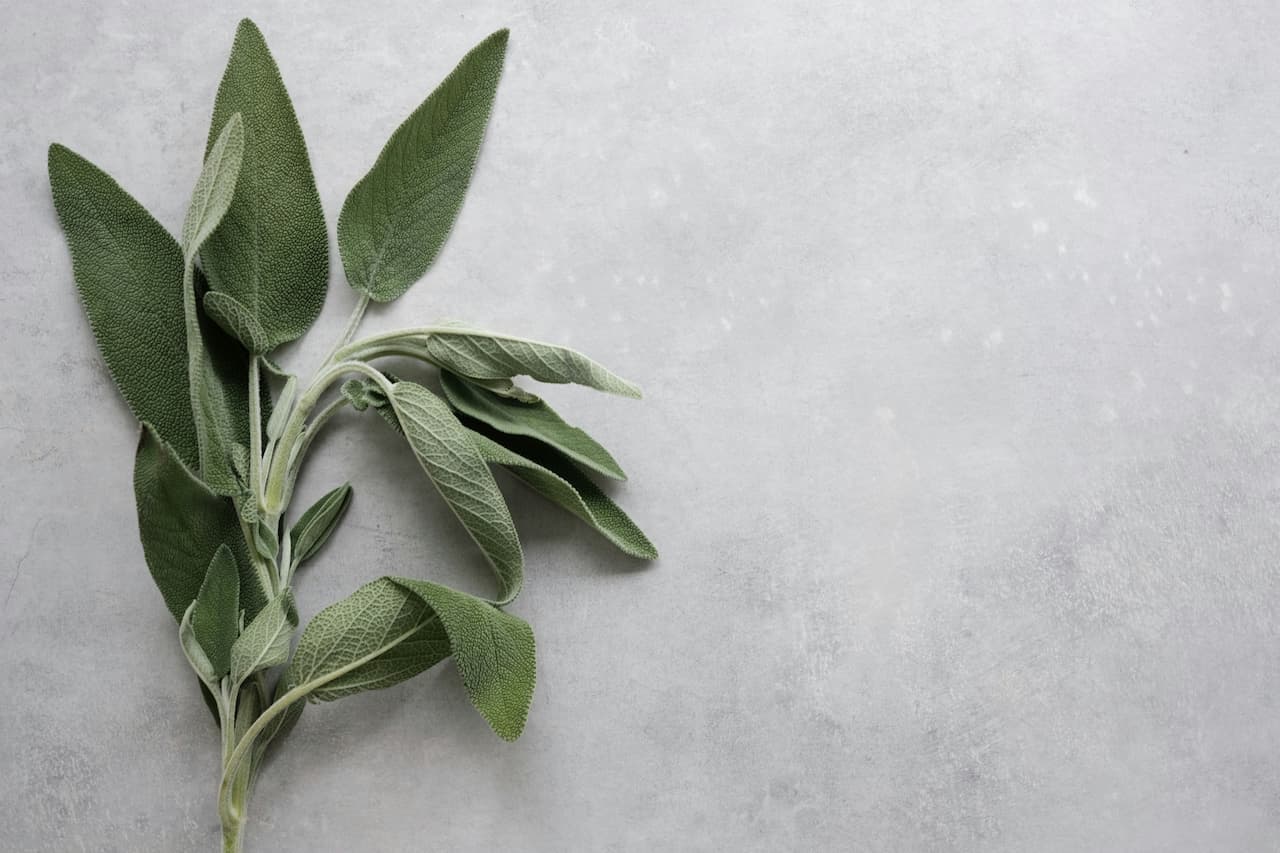
Sage is one of the most rewarding perennial herbs for a UK kitchen garden. It is evergreen, genuinely hardy, productive across almost every month of the year, and ornamental enough to earn a place in a flower border as well as a herb bed. A single well-established plant will supply a kitchen with fresh leaves for years – the kind of long-term productivity that annual herbs cannot match. Its needs are minimal: full sun, good drainage, and an annual prune in spring to prevent it becoming the woody, sparse shrub that most neglected sage plants eventually become.
Sage (Salvia officinalis) is native to the rocky coastal regions of the northern Mediterranean, where it grows in poor, stony soil in full sun with very little water. This origin explains both its strengths and its one genuine weakness in the UK. The strengths: exceptional drought tolerance, good cold hardiness, and a strong aromatic character that fresh leaves retain throughout the year. The weakness: an absolute intolerance of waterlogged soil, particularly in winter. Root rot in wet ground is the most common reason sage fails in UK gardens, and it is entirely preventable with correct planting or container growing.
About sage – why it earns its place in a UK garden
The culinary case for sage is stronger than its reputation in British cooking might suggest. Most domestic use is confined to sage and onion stuffing at Christmas, which understates what it can do. Fresh sage leaves – slightly peppery, earthy, warm and faintly camphor-like – are excellent with pork, chicken, duck, butternut squash, risotto, pasta and gnocchi. Fried briefly in butter until crisp, sage leaves produce a simple brown butter sauce that transforms almost any starchy dish. The dried version in a jar captures perhaps a third of the character of fresh, which makes having it growing outside the back door a genuine improvement to cooking quality year-round.
Sage flowers in late spring and early summer, typically May and June in most UK locations, producing tall spikes of purple-blue tubular flowers. These are excellent for pollinators – bumblebees in particular visit sage flowers heavily. Allowing established plants to flower before cutting back extends the season for beneficial insects and also produces a display attractive enough that ornamental sage varieties regularly appear in flower borders alongside lavender, rosemary and catmint. The flowers are themselves edible – delicate and faintly sage-flavoured, they work well scattered over salads or as a garnish.
Sage is also durable in a way that annual herbs are not. A well-pruned, well-drained plant can remain productive for a decade or more. The leaves are available even in winter, when most other kitchen herbs have stopped producing or died back entirely. Picking a few leaves on a cold January morning for a slow-cooked dish is a small but genuine pleasure that perennial herbs make possible.
The ornamental case for sage is also worth making separately from the culinary one. Purple sage in particular has a genuinely distinctive appearance – the young leaves emerge a rich, deep purple before maturing to purple-grey – that earns it a place in mixed plantings where appearance matters as much as usefulness. It works well alongside other Mediterranean herbs in a sunny gravel border and holds its character through winter when many border plants have died back. Growing common sage and purple sage side by side gives you the full yield of the best culinary variety alongside the ornamental impact of the best-looking one, for minimal additional space or effort.
Varieties for UK gardens
Most UK garden centres stock three to five sage varieties, and the choice between them matters both for culinary use and for where the plant will sit in the garden. The key division is between varieties grown primarily for cooking and those with ornamental leaf colour that are also edible but less productive.
For most UK gardeners, common sage or ‘Berggarten’ covers all kitchen needs and should be the first choice. Purple sage adds ornamental value without sacrificing culinary use. ‘Icterina’ and ‘Tricolor’ are primarily grown for appearance, though both are usable in the kitchen. The variegated forms are generally slightly less vigorous than the grey-green types, and ‘Tricolor’ in particular needs more careful positioning to perform well through a UK winter.
Soil, drainage and planting
Getting the planting conditions right is the single most important thing you can do for sage. The conditions it needs run counter to most vegetable-growing advice: lean, not fertile; dry, not moist; gritty, not rich. In practice this means two things need checking before planting: soil drainage and soil fertility.
On heavy or clay soil, the safest approach is to build a raised bed or create a planting pocket backfilled with a mix of garden soil and horticultural grit – a 50:50 ratio improves drainage significantly. Alternatively, grow sage in a container of at least 25cm diameter using two thirds peat-free multipurpose compost to one third grit, with clear drainage holes. Terracotta is better than plastic for containers: it breathes, dries more naturally between waterings, and the warmer root environment suits sage well. Do not add compost, manure or a general fertiliser to the planting area. Sage in fertile, enriched soil grows lush and fast, but dilutes the aromatic oils and produces leaves with less flavour. Lean soil is better.
Plant container-grown sage from spring through early autumn, spacing upright varieties 45-60cm apart to allow for spread. Plant at the same depth as the container – avoid planting too deep, as burying the base of the stems promotes rotting. Firm in well and water once thoroughly, then stand back. Sage establishes quickly in good conditions and does not need coddling. Propagation from cuttings is the most reliable method for named varieties: take 10cm softwood cuttings in late spring or early summer, strip the lower leaves and root in gritty compost in a warm, sheltered position. Roots form in four to six weeks. Layering – pegging a low stem into the soil until it roots – is another easy option and sometimes happens naturally around the base of established plants; check for rooted stems around the edge of mature plants in autumn and pot them up as free replacements. Seed sowing is possible for common sage but named varieties do not come true from seed, so cuttings or division are always the correct propagation method for purple sage, Berggarten, Icterina and other named cultivars.
Sage near brassicas deters pests. The strong volatile oils in sage leaves are reputed to reduce egg-laying by cabbage white butterflies when planted nearby. Whether or not the effect is dramatic, sage is an attractive, productive and low-maintenance addition to any vegetable garden edge, and anything that reduces pest pressure is worth trying. It also serves as a useful marker plant at the corner of beds.
Ongoing care and seasonal tasks
Watering is almost never needed for in-ground sage once established. It will tolerate weeks of dry weather without stress – this is one of its defining qualities. Container-grown plants dry out faster and need watering occasionally during summer, but always allow the compost to dry out fully between waterings. If in doubt, do not water. Overwatering is a more common cause of sage decline in containers than underwatering. Feeding is unnecessary for in-ground plants; a single dilute feed for containers in spring is the maximum. Weeding around young plants matters in the first season – sage is not vigorous enough to compete effectively with persistent weeds until fully established. Once established, its dense spreading habit suppresses most annual weeds naturally.
Pruning – the critical annual task
Sage becomes woody progressively from the base up. Each year without pruning, more of the plant’s structure converts from productive leafy growth to bare brown wood, and the harvestable tips migrate further and further from the crown. Within a few years of no pruning, a sage plant can look like a small bush of bare sticks with a fringe of leaves around the outside – structurally weak, difficult to harvest and with a fraction of its original leaf yield. The annual spring prune prevents this entirely.
The rule about never cutting into old brown wood is the most important pruning constraint. Unlike some shrubs, sage does not reliably regenerate from bare, lignified stems. Cutting into old wood risks producing dead stubs rather than new growth. If a plant has become very woody and the green growth is now only at the tips of long bare stems, it is too late to rescue with pruning – take cuttings, let them root, and discard the old plant once the replacements are established. This is not a failure but a normal part of growing sage: with annual pruning from year two, most plants remain productive and compact for six or seven years before replacement becomes necessary.
Harvesting and using sage
Sage can be harvested year-round, snipping individual stems or leaves as needed. The flavour is strongest in late spring and summer when warmth concentrates the volatile oils. Winter leaves are milder but perfectly usable – particularly valuable because very few other perennial herbs are producing fresh leaves at that time of year.
Always harvest from the soft, leafy stem tips rather than pulling leaves from the woody base. Regular light harvesting through the growing season functions as informal pruning and encourages bushy growth. Never remove more than a third of the plant at any picking. For large harvests – ahead of Christmas stuffing season, for example – spread the cutting over a few visits rather than stripping the plant at once. The soft new growth that appears after the spring prune in late April and May has the most intense flavour of the year; harvesting from this fresh growth before it ages into the leathery summer leaves gives the best results for any dish where sage is the primary flavour rather than a background note.
Sage dries and stores better than most soft herbs. Hang small bunches in a warm, dry, well-ventilated spot for two to three weeks until fully dry, then strip and store the leaves in a sealed jar. Dried sage retains a reasonable proportion of its flavour – significantly more than dried basil or chervil – and is a usable substitute for fresh in long-cooked dishes. It is not, however, a substitute for fresh in quick applications like sage butter or garnishes, where the texture and intensity of the fresh leaf is the point. Sage-infused oil is another useful way to extend the harvest: pack fresh leaves loosely into a clean jar, cover with a neutral oil, and use within four weeks. The flavour carries into the oil well and works for dressing pasta, roasted vegetables or as a dipping oil for bread.
Common problems
Sage is one of the toughest and most pest-resistant herbs in the kitchen garden. Most problems arise from the same two root causes: too much moisture or too little sun.
Rosemary beetle is the most significant pest for sage in the UK. The small beetle – metallic green and purple stripes, about 8mm long – and its grey larvae both feed on the leaves, causing notching damage. Infestations are worst from spring through to autumn. Pick beetles and larvae off by hand (lay a sheet under the plant and shake – they drop readily) or use an appropriate insecticide if populations are high. The same pest affects rosemary and lavender and tends to establish in gardens where these are grown. Aphids on new spring growth are common but rarely serious on established sage – natural predators usually control colonies without intervention. Powdery mildew presents as white dusty patches on leaves, typically in late summer when conditions are warm and dry. Improve air circulation by spacing plants correctly, avoid overhead watering, and ensure plants are not crowded. Remove and dispose of badly affected leaves rather than composting them. Root rot from waterlogging is the disease with the most serious consequences and is entirely preventable with correct drainage – a plant that collapses suddenly in wet winter conditions almost always has root rot as the cause. Remove and replace it, improve the drainage in that spot, and the replacement plant will perform correctly. Verticillium wilt is less common but causes sudden wilting and browning of stems; affected plants should be removed and the spot rested from Lamiaceae herbs for several years.
Share on socials: