At a glance
Lavender is one of the most satisfying plants to grow in a UK garden. A well-chosen, well-planted lavender lives for 10 to 15 years, flowers reliably every summer, tolerates drought, asks almost nothing in the way of feeding, and fills a good section of border with fragrance and colour for three months of the year. It is also one of the best plants in the garden for bees and other pollinators. The failure rate with lavender in UK gardens is almost entirely caused by two things: planting in soil that does not drain freely, and failing to prune correctly. Get both of those right and lavender is genuinely trouble-free.
The two most important decisions when growing lavender in the UK are choosing a hardy variety suited to British conditions and ensuring the planting site drains freely. Lavender originates from the Mediterranean and hates wet feet – in waterlogged soil the roots suffocate and die, and the plant rarely recovers. On a well-drained site, in full sun, with an annual prune, lavender will outlast many other garden plants and require very little attention in return.
Best varieties for UK gardens
Lavender divides into three main groups for UK growers: English lavender (Lavandula angustifolia), which is the hardiest and most reliable; Lavandin hybrids (Lavandula x intermedia), which are larger and more productive but slightly less cold-hardy; and French lavender (Lavandula stoechas), which has distinctive rabbit-ear petals but is only borderline hardy in the UK and is best treated as a container plant that can be brought under cover in winter.
For permanent planting in a UK border, English lavender is the correct starting point. Hidcote and Munstead are the two varieties that consistently outperform others in British conditions – both survive exposed sites, heavy rain and late frosts that kill more tender types. The Lavandin varieties Grosso and Provence produce more flowers and larger plants but can die back in exposed northern gardens in severe winters.
Where and how to plant
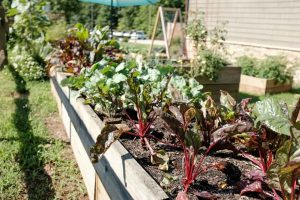
The single most important condition for lavender is free-draining soil. In waterlogged ground – particularly through the wet UK winter months – lavender roots suffocate within weeks and the plant dies without warning. In heavy clay soil, either improve drainage by adding sharp grit to the planting area or grow in raised beds where drainage is inherently better. A raised bed filled with a grit-rich compost mix is arguably the ideal lavender environment in the UK, closely mimicking the dry, rocky conditions of its Mediterranean homeland.
Lavender thrives in poor soil – resist the urge to feed it. Rich, fertile soil produces lush leafy growth at the expense of flowers and fragrance, and makes plants more susceptible to disease. Lavender wants the opposite of what most garden plants prefer: lean, gritty, alkaline conditions. Do not add compost to the planting hole, do not use general fertiliser, and do not mulch with organic material that retains moisture.
Pruning – the most important skill
Pruning is the single most important thing you can do for a lavender plant. Left unpruned, lavender becomes a sprawling, woody mound with a small amount of flowering growth at the tips – it looks unkempt, flowers poorly, and typically dies within 4 to 5 years as the woody base rots or splits. Pruned correctly twice a year, the same plant will remain compact, flowery and healthy for 10 to 15 years. The investment in a two-minute prune twice a year is enormous in terms of the plant’s longevity and productivity.
Never cut into old wood – this is the most critical lavender rule. Old wood is the thick grey-brown stems below the green leafy growth. Unlike box, yew or many other shrubs, lavender does not produce new buds from old wood. If you cut below the green growth into bare grey stems, those stems will not regrow. The plant will be left with dead stumps rather than new shoots. Always leave at least 2 to 3cm of green growth when pruning. If a plant has already become all woody with no green growth, it should be replaced rather than hard-pruned.
The pruning calendar is simple: a light tidy in April to remove any winter-damaged stems and neaten the shape, and a harder cut after flowering – typically late August – to remove the spent flower stalks and reduce the plant by around a third. The August cut is the more important of the two. It is this post-flowering cut that prevents the plant from becoming woody at the base and maintains the compact, rounded shape that keeps lavender looking good and flowering strongly.
Ongoing care and feeding
Once established, lavender is one of the least demanding plants in the garden. It needs very little water after its first season – in a typical UK summer, rainfall alone is sufficient for established plants in borders. In hot dry summers a watering every two weeks is adequate. The danger is always overwatering rather than underwatering. Container-grown lavender needs more frequent watering – check the top 3cm of compost and water when it feels dry, which might be every three to four days in summer but only once a fortnight in winter.
Taking cuttings
Lavender propagates readily from cuttings, which is the best way to multiply plants and replace ageing specimens without buying new plants. July and August – immediately after the hard prune – is the ideal time, when the plant has just flowered and new side shoots are growing vigorously. Softwood cuttings taken now root quickly and are well-established before winter.
Take cuttings from the current year’s growth – look for non-flowering stems that are green and flexible rather than woody at the base. Cut 8 to 10cm lengths just below a leaf node, strip the lower leaves to leave a clear 3 to 4cm of bare stem, and push several cuttings into a pot of gritty, free-draining cuttings compost. Firm them in, water once and place in a sheltered spot out of direct midday sun. Rooting takes 4 to 6 weeks. Pot on into individual containers once rooting is established – you can test this by gently tugging the cutting to check for resistance. Over-winter in a frost-free place and plant out the following spring.
Common problems and fixes
Lavender has very few pest problems – the aromatic foliage deters most insects – but it has several environmental vulnerabilities that cause failure in UK gardens. The majority of lavender deaths are preventable with the right site choice and pruning regime.
A well-grown lavender hedge or border planting is one of the most effective low-maintenance garden elements you can create. Plant in spring, prune twice a year without fail, and a single purchase will provide 10 to 15 years of fragrance, colour and pollinator habitat with very little ongoing effort required.
Share on socials: