At a glance
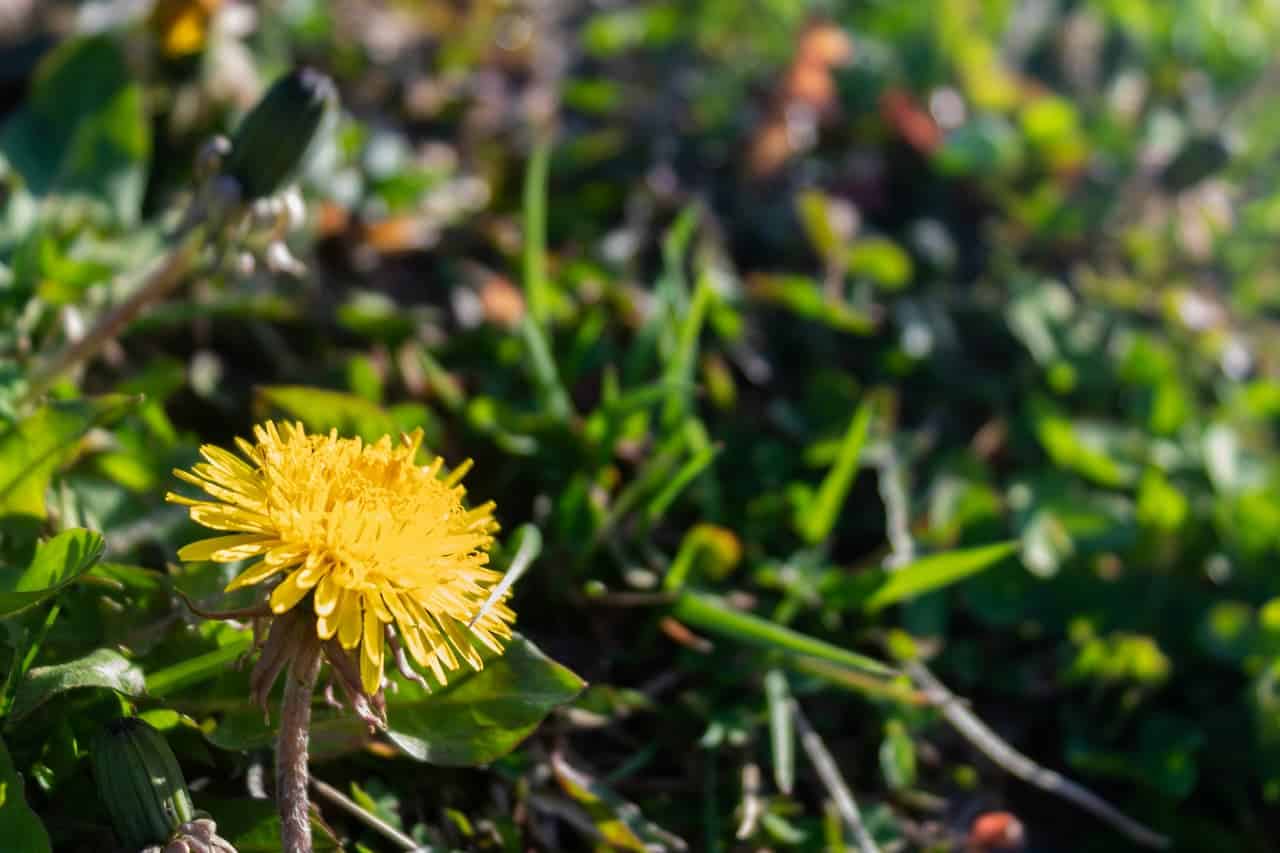
Weeds in a lawn are not just cosmetic – they compete directly with grass for nutrients, water and light. Left unchecked, broadleaf weeds like dandelions, clover, plantain and speedwell can spread rapidly through turf, particularly after scarifying or during a wet spring when bare patches appear. The right selective lawn weeding and pest control approach makes a significant difference to results.
UK gardens face specific conditions – cool wet springs, acid soils in many regions, and a weed spectrum that differs from continental Europe. Not every product on the market performs equally well here. We tested six of the most widely available lawn weedkillers across different lawn types and weed species to find out which ones genuinely deliver, and which fall short of their label claims.
Quick verdict summary
All 6 lawn weedkillers ranked
Resolva’s ready-to-use trigger spray is the most consistent performer we tested across the full range of common UK lawn weeds. It contains a blend of selective herbicides – including fluroxypyr and clopyralid – which tackle the hardest weeds to shift, including clover, yarrow, plantain and dandelion. Most treated weeds showed clear visible decline within seven to ten days, and full kill within three to four weeks under typical spring conditions.
The ready-to-use format makes it ideal for smaller lawns and spot treatments without the need to mix or measure. The trigger spray delivers a controlled dose, reducing the risk of overdosing or drift onto borders. It is safe for grass once dry, requires no waiting period before children or pets use the lawn, and leaves no residue that affects replanting. For most UK gardeners with a standard-sized lawn and a moderate weed problem, this is the one to reach for first.
As an Amazon Associate I earn from qualifying purchases.
Verdone Extra is one of the longest-established lawn weedkillers in the UK market and it remains one of the best for deeply rooted perennial weeds. It contains MCPA, mecoprop-P and dicamba, a classic triple-active combination that works systemically – entering the leaf and travelling down to the root, which is why it handles stubborn weeds like plantain, yarrow and creeping buttercup more effectively than contact-only products.
It comes as a concentrate to be diluted and applied by watering can or knapsack sprayer, which makes it the better choice for treating large areas economically. The dilution rate is straightforward and the coverage per bottle is generous. One note: it is slower to show visible results than the Resolva – expect four to five weeks for full kill on established weeds – but the root-level action means regrowth is less likely.
As an Amazon Associate I earn from qualifying purchases.
Weedol’s lawn concentrate targets a solid range of broadleaf weeds including dandelion, clover, plantain and daisy. It uses a two-active formulation – MCPA and mecoprop-P – which is effective across the most common weed species, though it lacks the third active that helps Verdone tackle the tougher problem weeds. Results are reliable for typical infestations, with most weeds visibly yellowing within ten days and fully collapsed within three weeks.
The concentrate format offers good economy for medium to large lawns. At the standard dilution rate, one 500ml bottle treats up to 333 square metres – enough for a generous suburban garden with treatment to spare for a follow-up application. Application by watering can is straightforward, and the product has a good track record for grass safety when applied correctly at recommended rates.
As an Amazon Associate I earn from qualifying purchases.
Doff’s lawn weeder is a concentrate that uses MCPA and mecoprop-P to tackle the most common broadleaf lawn weeds. At around £8 for a bottle that treats a sizeable area, it represents the best value entry point in this test. Performance is solid against daisies, dandelions and clover – the three weeds most UK gardeners are dealing with – though it is not the first choice for persistent or deep-rooted problem weeds like yarrow or plantain in heavy infestations.
For a lawn with a light to moderate weed burden, the Doff performs well enough that many gardeners will not need to spend more. Results take around three to four weeks to fully develop. Grass safety is good when used at the correct dilution. If budget is the primary concern, this is a reliable choice that does not compromise significantly on results for typical weed species.
As an Amazon Associate I earn from qualifying purchases.
The Weedol Gun! is designed for spot treating individual weeds rather than whole-lawn application. The trigger gun delivers a ready-to-use dose directly onto the target weed, which makes it useful for dealing with isolated dandelions or plantains without treating the surrounding turf. It works well for this purpose – easy to aim, low risk of overspray, and effective against the weeds it contacts.
Where it loses marks is cost per square metre if you try to use it for anything more than spot treating. For a light weed problem spread across a larger area, the concentrate options above will give significantly better economy. It earns its place in the ranking purely on the merit of the spot-treatment format, which is genuinely useful after completing a lawn overseeding programme when isolated weeds reappear in gaps.
As an Amazon Associate I earn from qualifying purchases.
Neudorff’s organic formulation uses iron sulphate and citric acid as its active components – both approved for organic use. It will kill shallow-rooted annual weeds and weaken some perennials, but it is not in the same league as the selective synthetic options when it comes to persistent broadleaf weeds. Dandelions with established taproots and creeping weeds like clover will typically require multiple applications before showing significant decline.
Where it earns its place is for households with children, pets, or a preference for avoiding synthetic herbicides. It is safe for use around pets once dry, has no soil persistence, and poses minimal risk of run-off damage to adjacent planting. At around £22 it is by far the most expensive per unit, and the results do not justify that premium unless the organic credential is the deciding factor. For a heavily weeded lawn, a selective systemic product will achieve more with less effort and lower overall cost.
As an Amazon Associate I earn from qualifying purchases.
Types of lawn weedkiller explained
Understanding how different formulations work helps you pick the right product for your situation. The key distinction is between selective and non-selective products – a mistake here can cost you a lawn rather than a weed problem.
Never use a path weedkiller on your lawn. Products designed for patios and drives contain non-selective herbicides that will kill grass permanently. Always check the label confirms the product is safe for use on lawns.
What to look for when buying
The sheer number of lawn weedkiller products available can make choosing feel complicated, but a few key questions will narrow it down quickly. The most important is whether the product targets the specific weeds you have – not all selective weedkillers tackle all species equally, and some problem weeds like yarrow, speedwell and clover require products with a third active ingredient to achieve a reliable kill.
Coverage per bottle matters more than the headline price. A £14 concentrate that treats 400 square metres is significantly cheaper per square metre than an £8 bottle of ready-to-use that covers 60 square metres. Always check the coverage claim on the label and calculate cost per square metre before buying, particularly for larger lawns.
How and when to apply lawn weedkiller
Timing is one of the most overlooked factors in weedkiller success. Selective herbicides work best when weeds are actively growing and transpiring – that means applying in spring (April to May) or early autumn (September), when temperatures are consistently above 10C and there is no drought stress on the plants. A weed that is stressed, dormant or wet will absorb the active ingredient far less effectively, which is why applications made in cold snaps or just before rain so often disappoint.
Mow the lawn two to three days before applying weedkiller to give the weeds a fresh leaf surface to absorb the product. After applying, wait at least four days before mowing again – cutting the treated foliage too soon removes the active ingredient before it has fully translocated to the roots. Keep the area unwatered for 24-48 hours after application wherever possible. If rain is forecast within a day, postpone – the product needs time to be absorbed before it can be washed off. Part of the ongoing weed and feed lawn care routine is combining treatment with a follow-up feed to help the grass fill in where weeds have died.
Do not apply near garden ponds or watercourses. Most selective lawn herbicides are toxic to aquatic life. Keep at least a metre of buffer between the treated area and any water feature, and never apply in conditions where run-off could reach a pond or drain.
Final verdict and recommendations
For most UK gardeners, the Resolva Lawn Weedkiller Ready to Use covers the majority of situations well. Its triple-active formulation handles the full range of common lawn weeds, it is straightforward to apply without any mixing, and it delivers reliable results within a few weeks. It earns the top spot because it combines effective chemistry with ease of use in a way that no other product in this test quite matches.
If you have a larger lawn or a persistent perennial weed problem, the Verdone Extra concentrate is worth the slightly longer wait for results – the systemic root kill it delivers is more thorough on weeds like yarrow and creeping buttercup than anything else we tested. For budget-conscious gardeners with a typical weed burden of dandelions, daisies and clover, the Doff Lawn Weeder performs adequately at a significantly lower cost per application.
Whichever product you choose, combine treatment with a good lawn care routine. After the weeds die back, the resulting bare patches will need filling in – a round of lawn aeration followed by overseeding with a quality grass seed helps the turf knit together and leaves less room for weeds to recolonise. A well-fed, dense lawn is the most effective long-term weed control you have. For lawns with a broader range of issues beyond weeds, the complete seasonal lawn care programme covers the full year of maintenance tasks that keep turf healthy and competitive.
Resolva Lawn Weedkiller Ready to Use is the best all-round choice for most UK lawns. For large areas or stubborn perennial weeds, Verdone Extra concentrate offers stronger root-level kill at better economy. Budget buyers who need reliable results against common weeds without overspending should go straight to the Doff.
Share on socials: