At a glance
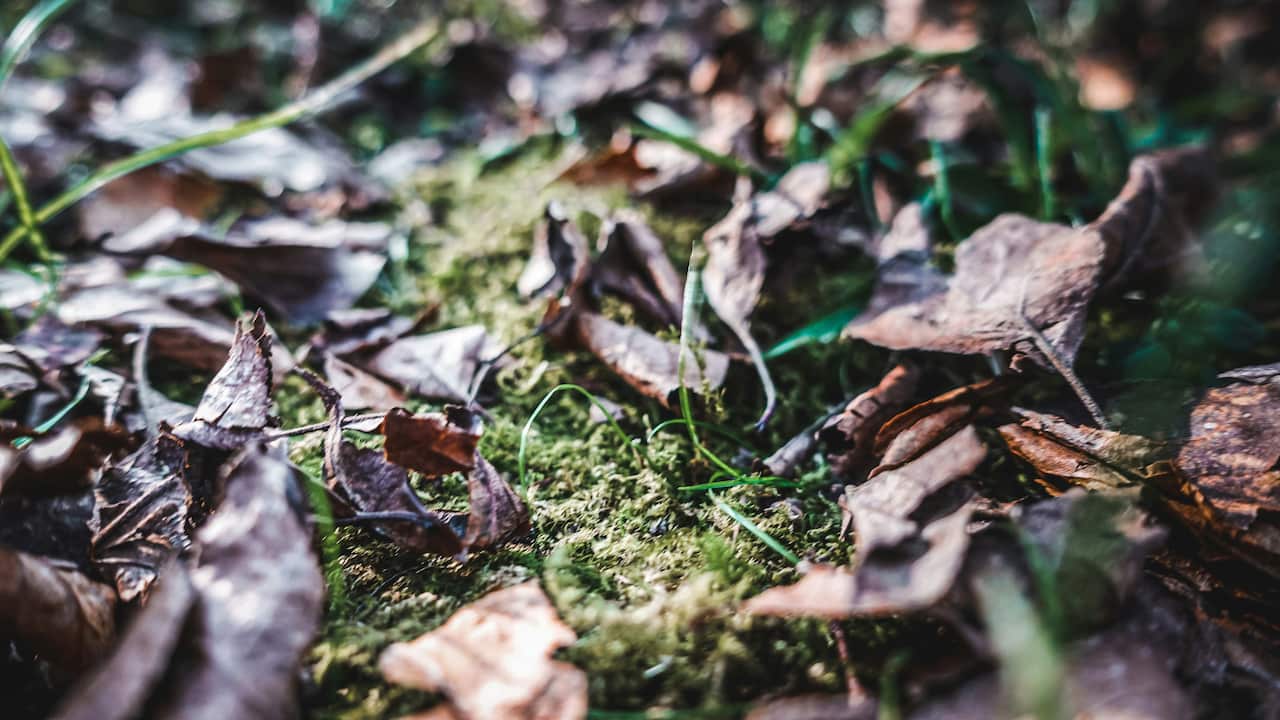
Moss in a lawn is one of the most common problems UK gardeners face, and one of the most persistently mismanaged. The standard approach – apply a moss killer, rake out the blackened remains, and consider the job done – produces temporary results at best. Within one or two seasons the moss returns, often more extensively than before, because the conditions that caused it have not changed. The grass that fills the gaps left by the raked-out moss is weak and sparse, and sparse grass in poor conditions is exactly what moss colonises most efficiently. Breaking this cycle requires treating the cause, not just the symptom – and in many cases the cause is a simple, fixable issue like compaction, poor drainage or inadequate feeding that, once corrected, makes a significant lasting difference to how much moss the lawn produces year after year.
Moss thrives where grass struggles. It is not an aggressive invader that overwhelms healthy turf – it is an opportunist that fills gaps and weak areas when conditions favour it over grass. Those conditions are predictable and largely correctable: shade that limits photosynthesis, compacted soil that prevents drainage and aeration, waterlogging that saturates the root zone, low soil pH that limits nutrient availability, and low fertility that weakens grass plants. Any lawn with heavy moss growth has one or more of these underlying issues, and identifying which ones apply to your lawn determines which remedial action will actually make a lasting difference. The most revealing diagnostic is the distribution pattern of the moss: moss concentrated under trees suggests shade, moss worst along fence lines and in north-facing areas suggests the same, moss widespread across the whole lawn with no obvious pattern suggests compaction or waterlogging as the primary driver, and moss that appears even on well-drained slopes or sunny areas often indicates low pH.
Why Moss Grows in Lawns
Compaction is the most common cause of persistent moss in UK domestic lawns. Years of foot traffic, particularly on clay-heavy soils that compact readily when wet, creates a dense, airless surface layer that grass roots cannot penetrate effectively but moss colonises easily. The test is simple: push a screwdriver into the lawn – if it stops within 3-4cm rather than sliding in easily to 10cm or more, compaction is present and hollow-tine aeration is the most effective long-term intervention. Poor drainage compounds compaction: waterlogged soil in winter creates anaerobic conditions that kill grass roots and leave bare, saturated areas that moss fills rapidly in spring. On lawns that suffer from both compaction and waterlogging, aeration alone may not be sufficient – consider whether the garden’s overall drainage can be improved, and whether a drainage sump or French drain is appropriate if the problem is severe and persistent across multiple winters.
Shade is the cause that is hardest to fix, because it often cannot be eliminated without removing significant garden features. Under dense tree canopies or in north-facing strips against walls and fences, the light levels are genuinely too low for most lawn grasses to thrive. In these positions the choice is between ongoing moss management with periodic treatment, switching to a fine shade-tolerant grass mix that performs better in low light, or replacing the lawn entirely in that area with an alternative ground cover that suits the conditions – bark mulch, shade-tolerant ground cover plants, or hard landscaping. Raising the cutting height in shaded areas to 5cm or higher gives the grass the maximum possible leaf surface for photosynthesis and extends its competitiveness in low light. If the shade comes from a deciduous tree, selectively pruning the lower branches to raise the canopy improves light levels significantly without removing the tree.
Killing and Removing Moss
Ferrous sulphate (iron sulphate) is the most effective moss killer for lawns and is the active ingredient in most proprietary lawn moss killers including products marketed as “mosskiller”, “lawn sand” and combined “feed, weed and mosskiller” products. It works by disrupting the cell membranes of the moss plant, causing it to blacken and die within five to fourteen days depending on conditions and application rate. It also hardens the grass and deepens its colour as a secondary effect, which is why autumn application after moss control leaves the lawn looking noticeably greener and darker. Apply as a liquid diluted from a concentrate, or as a granular lawn sand product spread with a spreader – both methods are effective if applied at the recommended rate to moist grass. The lawn should be moist but not waterlogged at application, and dry weather should be forecast for at least 24 hours after treatment – rain immediately after application washes the product off before it can act. Avoid application in very hot or sunny conditions which can cause yellowing of the grass.
Do not rake out dead moss immediately after treatment. Wait two to three weeks after applying a moss killer before scarifying or raking. Moss that has been killed but not fully dried still contains viable spores that can be spread across the lawn during raking, potentially increasing the moss problem. The blackened, crispy dead moss that remains after two to three weeks is inert and can be raked or scarified out safely without spreading living material.
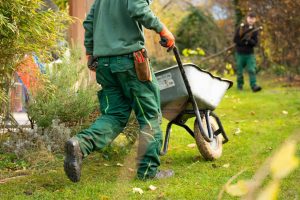
Once the moss has blackened and dried, remove it thoroughly by scarifying with a powered scarifier or raking vigorously with a spring-tine rake. The volume of material that comes out of even a moderately mossy lawn can be surprising – half a barrowload from a medium garden lawn is common. Do not compost the raked-out moss as it may contain viable spores. Bag it for green waste collection or allow it to dry completely before disposal. After scarification, the lawn will look significantly worse before it looks better – bare soil patches, thin grass and an overall threadbare appearance are normal and expected. Overseed immediately after scarifying while the soil surface is disturbed and open, and apply an autumn fertiliser to support establishment. In most conditions, an autumn-scarified and reseeded lawn recovers well within four to six weeks if moisture is available. The recovery period is the key reason autumn is the preferred treatment window rather than spring – the cooler, wetter conditions of September and October support rapid germination and recovery.
Long-Term Prevention
The single most effective long-term moss prevention measure for most UK lawns is regular aeration. Hollow-tine aeration removes cores of soil and creates channels through compacted ground, improving drainage, allowing air to reach the root zone, and breaking the surface crust that prevents water penetrating in heavy rain. Done annually in autumn, hollow-tine aeration combined with topdressing – brushing a sandy loam mix into the holes – progressively improves the soil structure over years. The results are cumulative: a lawn that is aerated annually for three to five years develops a noticeably improved drainage profile and root system compared to one that receives only surface treatments. Spike aeration with a garden fork or solid-tine aerator is a less disruptive alternative that can be done more frequently – walking slowly across the lawn pushing the fork in at 10-15cm intervals gives useful aeration without the disruption of hollow-tining. It is less effective for severe compaction but useful as a maintenance measure between annual hollow-tine sessions.
Moss Killer Products Compared
Ferrous sulphate stains concrete, stone and clothing permanently. Apply carefully near hard surfaces and wear old clothes when using liquid concentrate. Any splashes on paving or patios should be rinsed immediately with large quantities of water – once the iron oxidises on a porous surface it leaves a rust stain that is extremely difficult to remove. Apply on a calm, dry day to prevent drift onto adjacent surfaces and water off any splashes on non-target surfaces immediately.
Share on socials: