At a glance
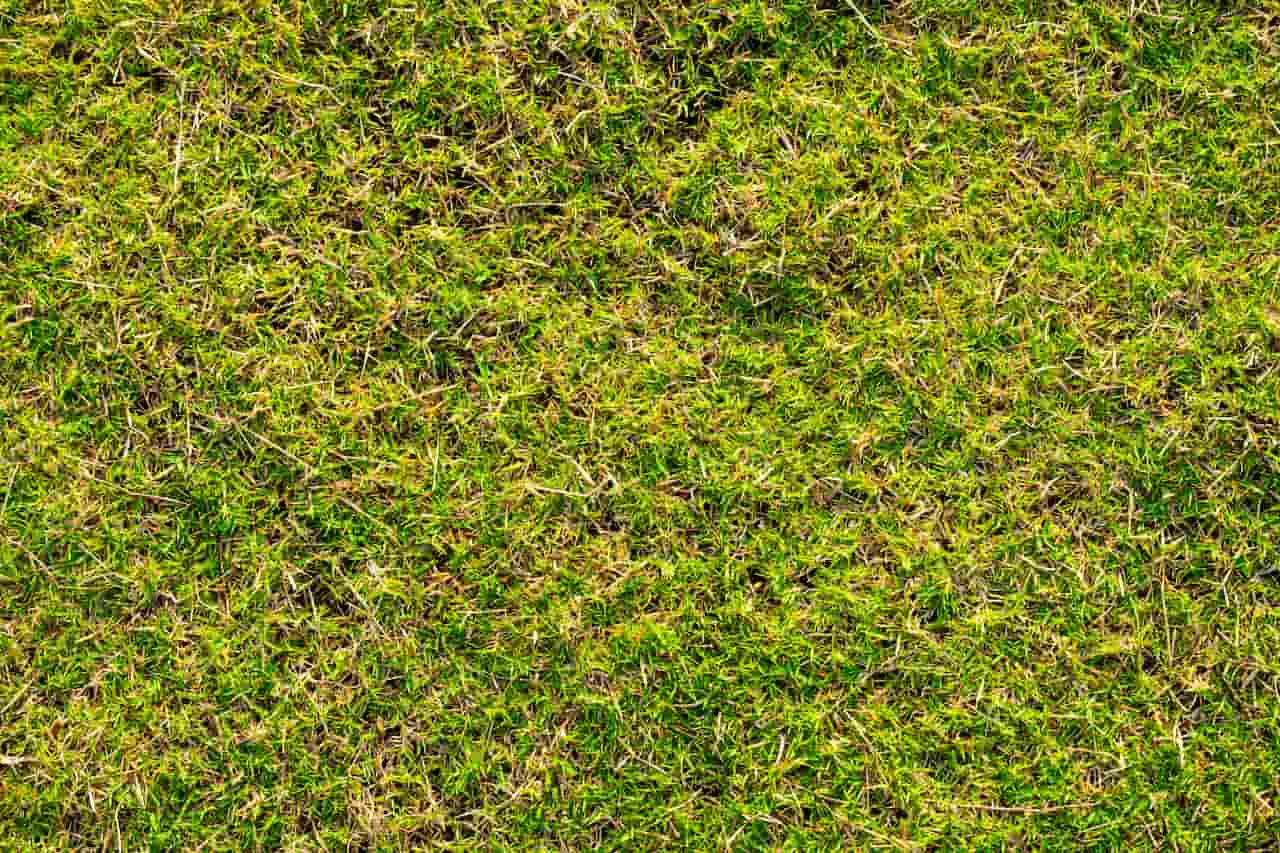
A thin or patchy lawn is almost always fixable, but the fix that actually works depends on why it went thin in the first place. Scatter seed on compacted soil without fixing the compaction, and the seed either fails to germinate or produces seedlings so weak they disappear within a season. Reseed a shaded area with standard ryegrass and the same thing happens the following year. Most patchy lawn failures are repeats of the same mistake: treating the symptom rather than the cause.
The other thing that trips people up is timing. Overseeding at the wrong time of year wastes the seed and the effort. Get the timing right and even a badly thinned lawn can recover to something genuinely respectable within a single growing season. Getting both the diagnosis and the timing right is the whole job.
Diagnosing the cause first
The most common mistake is skipping diagnosis entirely and going straight to scattering seed. Identify the cause first, treat it if needed, then repair. A patch that returns in the same place the following year is a patch where the cause was not addressed.
Moss fills space left by weakened grass but does not cause thinning on its own. Something else has weakened the grass first: shade, compaction, poor drainage, low pH, or insufficient feeding. Treating the moss without fixing the underlying condition produces a temporary improvement followed by rapid recolonisation. The moss is the symptom; the thinning is the disease.
Diseases that cause patchy thinning
Lawn diseases account for a significant proportion of patchy lawns, particularly those where the problem develops during wet periods or has a defined pattern. Correct identification matters because the treatment differs completely between diseases and some have no chemical cure available to home gardeners at all.
Preparing the ground
Preparation is what separates overseeding that works from overseeding that produces a patchy mess. Seed scattered without preparation germinates poorly and establishes weakly. The sequence matters: do these steps in order and the seed has the best possible chance of reaching the soil and germinating.
Mow shorter than normal
Drop the cut by one or two settings below your usual height. Do not scalp, but a closer cut exposes more soil surface, reduces competition from existing grass, and gives seed a better chance of reaching the ground. Bag or rake up the clippings.
Scarify or rake vigorously
Even a half-centimetre of thatch prevents seed from reaching soil. A spring-tine rake worked firmly across the surface removes dead material and opens up the surface. This is the step most people skip and the one that makes the biggest difference to germination rates. For a heavily thatchy lawn, a mechanical scarifier does the job more thoroughly.
Aerate if compacted
On a small area, a garden fork pushed in and rocked gently is enough. For a larger or heavily compacted area, hollow-tine aeration removes plugs of soil and creates channels through the compacted layer. This is the single most effective improvement you can make to a persistently thin lawn on heavy soil.
Top dress lightly
A thin layer of sandy loam or purpose-made lawn top dressing brushed into the aeration holes fills the channels and creates an ideal seedbed. Spread it no more than 2 to 3 millimetres deep and work it into the surface with the back of a rake. You are not burying the existing grass. You are creating a fine contact layer that seed can settle into.
Choosing the right seed
Using the wrong grass for the conditions is one of the most reliable ways to produce a lawn that returns to the same thin state after a season. Match the seed to what the site actually offers, not what you wish it offered.
Timing: when to overseed
Autumn is better than spring. That is not a matter of opinion. It is the window where soil is warm, air is cooling, rainfall is increasing, and there is enough growing season left for new grass to establish before winter. Get into a September overseeding habit and you will have a consistently better result than someone doing the same job in April. The soil temperature rule is the real constraint: below 8 to 10 degrees Celsius, seed will sit dormant or rot regardless of the calendar date.
Overseeding: the method
Calculate the area in square metres. For overseeding an existing lawn, use 35 grams of seed per square metre. For patching bare areas larger than about 30 centimetres across, increase to 50 grams per square metre to account for the lower germination rate achieved in open soil compared to an established turf surface.
Apply a pre-seeding fertiliser before sowing. A high-phosphorus feed promotes root development in new seedlings. Do not use a weed-and-feed product at this stage. Pre-emergent herbicides in weed-and-feed formulations inhibit seed germination and will undermine everything else you have done.
Spread seed evenly using a spreader for large areas, or from the hand for patches and small areas. Sow half the seed in one direction, half at right angles to it. Uneven application produces patchy germination. Rake lightly after sowing to improve seed-to-soil contact. For bare patches, pressing the seed firmly into the prepared surface with the back of a rake or your foot makes a real difference to germination rates.
Water the seeded area within a few hours of sowing if rain is not forecast. During the germination period, keep the surface consistently moist. In dry conditions, water lightly twice daily. Never let the surface dry out completely while seed is germinating. This is where most overseeding fails: one or two dry days during germination kills seedlings before they can establish. Protect newly seeded areas from birds with netting or fleece until shoots appear.
Returfing: when seed is not enough
For bare or badly damaged patches larger than about 30 centimetres across, laying a turf patch produces a faster and more reliable result than seeding. Turf bypasses the germination and establishment period entirely and knits into the surrounding lawn within three to four weeks.
Cut out the dead patch to a neat rectangle or square, loosen the soil underneath, improve it with a little compost if it is very poor, and lay a piece of turf cut to fit. Firm it in well and keep it watered. Turf can be laid at almost any time of year except during hard frost or drought. It is more expensive than seed, which makes it impractical for large areas, but for individual patches it saves weeks of waiting and uncertainty.
Match the turf to your lawn. Turf patches often look noticeably different from the surrounding lawn for a season or two, particularly if your existing lawn has fine fescues or is an older established sward. For a better match, source turf from the same supplier as your overseeding seed variety, or accept that the colour difference fades over time as the lawn grows in together.
Aftercare
New grass seedlings are fragile. Stay off the seeded area as much as possible for at least two to three weeks after germination. Foot traffic on seedlings before they are established pushes them back into the soil and delays or kills them.
The first mow should wait until new grass is at least 5 to 8 centimetres tall. Set the mower higher than your usual maintenance height for the first two or three cuts, then gradually lower the cut over subsequent mowings back to the normal height. Never remove more than a third of the blade at any single cut, and this applies especially to newly established grass where the root system is still shallow.
Feed the repaired area four to six weeks after germination with a balanced lawn fertiliser. The seedlings have a developing root system at this stage and will respond well. Avoid heavy nitrogen feeds in autumn, as these promote soft, disease-susceptible growth heading into winter.
When to stop patching and renovate
If less than about 50 percent of the lawn is good grass, patch repairs become inefficient. New failures open as fast as old ones recover. Full renovation, whether reseeding or returfing the entire area, delivers a better result with less total effort over two or three seasons of patching.
Full renovation means stripping out or killing the existing lawn, preparing the entire surface as for a new lawn, and either seeding or turfing from scratch. Autumn is the preferred time, with seed sown from late August through September. It is disruptive and takes the lawn out of use for several weeks, but on a lawn that is predominantly weeds, moss, or annual meadow grass, it resets the situation entirely. I have watched people spend three years patching a lawn that needed two weeks of renovation to sort properly. Full renovation is the faster path, even if it does not feel like it.
Preventing thinning from returning
Most recurring patchiness comes down to three things: feeding too infrequently or at the wrong times, mowing too short, and letting thatch build up unchecked. Address all three and the lawn becomes structurally resistant to the problems that produce patchy thinning.
Share on socials: