At a glance
Slugs are the most consistently damaging pest in UK gardens and one of the most difficult to control permanently. The UK climate – mild, damp and with few extended cold periods that would limit slug populations – is close to ideal for slug survival and reproduction, and a typical garden will contain hundreds or thousands of slugs at any given time. Most gardeners see only the large species that move visibly across the surface at night, but these are often not the primary cause of damage – the small, pale, soil-dwelling keeled slug does by far the most harm to root vegetables, potato tubers and bulbs underground, where it is invisible until the damage is discovered.
The important principle for slug management is that elimination is not achievable – the goal is to reduce the population to a level where plants can survive and grow despite the inevitable slug pressure. A garden with a healthy population of natural predators and a few targeted control measures in place for vulnerable plants will always have slugs, but it will also have thriving plants. The most effective long-term approach combines biological control through nematodes with active encouragement of the predator community – frogs, toads, hedgehogs and ground beetles – that provides continuous background pressure on slug numbers. A garden that attracts frogs and toads has a self-sustaining slug management system that operates every night through the growing season without any intervention from the gardener.
Identifying slug types and the damage they cause
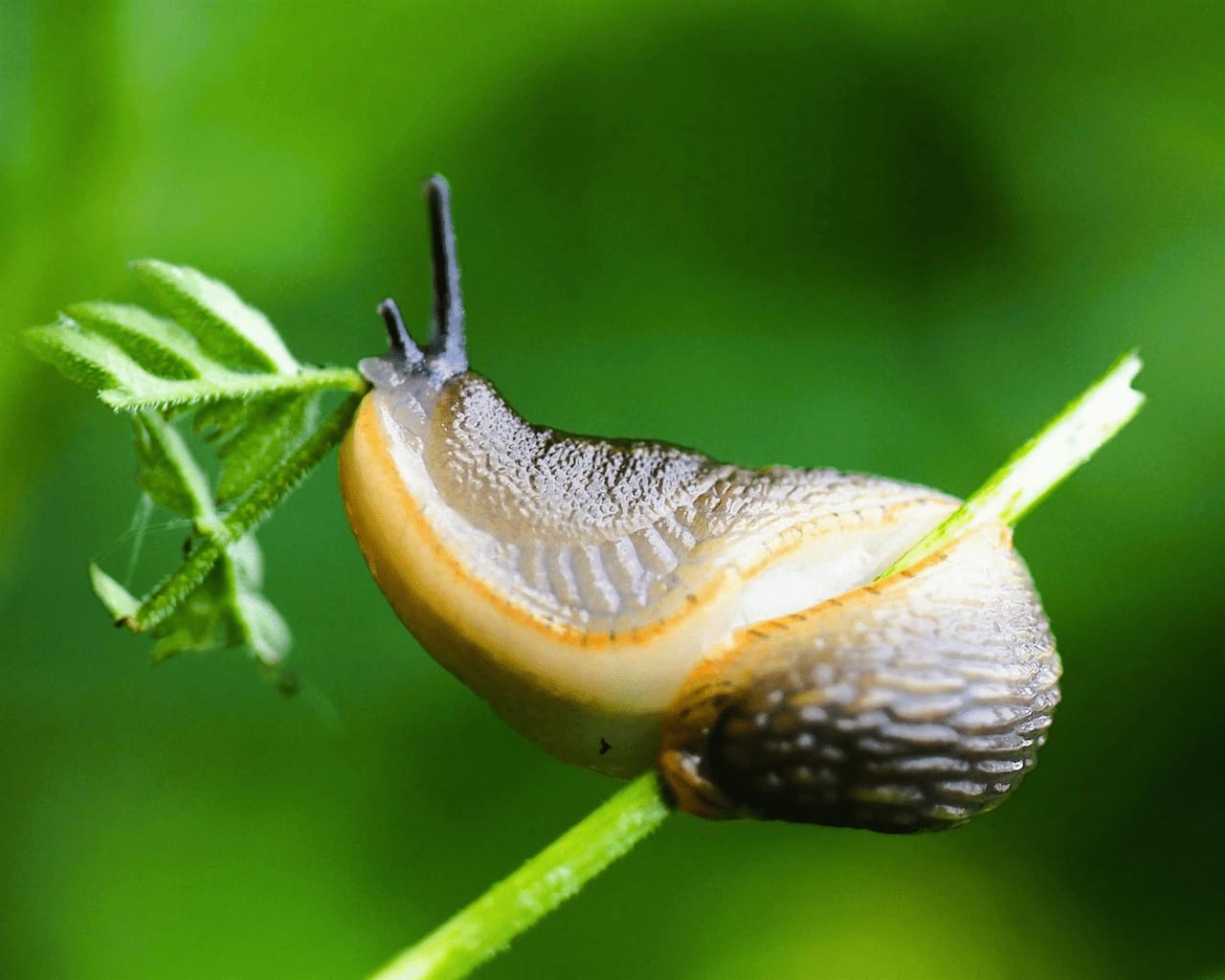
The large, dramatic black slug that many gardeners spend effort pursuing at night is actually one of the least damaging species – it feeds primarily on decaying plant material and fungi rather than living plants, and its size means it is easy for predators to catch. The grey field slug, small and pale with a milky mucus, is responsible for the majority of seedling damage and leaf destruction in UK gardens. It is the slug most commonly found inside lettuce hearts, on dahlia shoots and at the base of emerging hosta leaves. The keeled slug is the most damaging of all to potato and root vegetable crops, tunnelling into tubers and bulbs underground – the classic symptom is potatoes lifted with perfectly healthy foliage that are riddled with deep, clean holes, sometimes containing a small pale slug on lifting.
Control methods compared
Metaldehyde slug pellets were banned for home garden use in the UK in 2022 due to their toxicity to wildlife, birds and domestic animals. Ferric phosphate pellets (sold as organic-approved products such as Slug Gone or Ferramol) are the currently available chemical option and are wildlife-safe – the active compound breaks down harmlessly in soil. They are effective at killing surface-feeding species but have limited effect on soil-dwelling slugs like the keeled slug. Apply sparingly around vulnerable plants rather than broadcasting widely, and replace after rain as they break down when wet.
Nematodes – the most effective biological control
Slug-parasitic nematodes (Phasmarhabditis hermaphrodita) are microscopic roundworms that seek out slugs in the soil, enter through natural openings and release bacteria that kill the slug within days. Applied as a watered-in drench across the whole garden, they are the most effective slug control available to UK gardeners and the only method that reaches soil-dwelling species including the keeled slug. A single treatment reduces slug populations by 30-60% within three to four weeks and the effects persist for six to eight weeks before reapplication is needed.
Nematodes are sold as a refrigerated biological control product through garden centres and mail-order suppliers, typically from March onwards. Application requires soil temperature above 5°C and moist soil conditions – apply in the evening after watering, or ahead of forecast rain. The nematodes are watered in at the recommended rate across the entire garden area, not just around individual plants. This treats the soil slug population rather than individual surface slugs. A spring application in April and a follow-up in July addresses the two peak slug breeding periods. Nematodes are completely safe for all garden wildlife, pets and beneficial insects including ground beetles that are themselves important slug predators.
Physical barriers and deterrents
Physical barriers work by creating a surface that slugs are reluctant or unable to cross. Copper tape produces a mild electrical reaction when touched by slug mucus and is effective for container protection – run a band of self-adhesive copper tape around the outside of a pot, overlapping the ends, to create a reliable barrier for individual containers. The tape loses effectiveness if it oxidises and turns green – clean with a little vinegar and a cloth to restore the surface. Copper tape is less practical for open bed protection where the perimeter is large and any gap in the tape renders it ineffective.
Gritty and abrasive materials – sharp sand, horticultural grit, crushed eggshell, wool pellets – are often recommended as slug barriers but have a poor evidence base and deteriorate rapidly in wet conditions. In a typical UK summer, rain quickly renders these deterrents ineffective. They may provide a few days of protection when dry but should not be relied upon for sustained slug control around vulnerable plants. The most reliably effective physical approach for bed protection is a raised bed with a copper tape band around the frame – this is a worthwhile investment for any bed growing particularly vulnerable crops.
Beer traps are effective at catching surface-feeding slugs and satisfying to check, but they must be emptied and refilled every day or two as decomposing slugs quickly deter further captures. Sink a container level with the soil surface and fill with cheap lager or a sugar-water and yeast solution – slugs are attracted by the fermenting smell. Position traps away from vulnerable plants rather than immediately adjacent, to draw slugs away from the plants rather than concentrating them nearby.
Encouraging natural predators
A garden with a thriving predator community requires far less active slug management than one without. The most effective slug predators in UK gardens are frogs, toads, hedgehogs, slow worms, ground beetles and song thrushes. Building a wildlife pond – even a small one – is the single most impactful thing a gardener can do for slug control, because it provides breeding habitat for both frogs and toads. A garden with an established frog and toad population will consume thousands of slugs per season. Both species are easy to attract and retain with minimal effort – see the guides to attracting frogs and attracting toads for practical habitat advice.
Hedgehogs are highly effective slug predators – a single hedgehog foraging through a garden on a summer evening can consume dozens of slugs in a few hours. They need access to the garden through boundary fences, a pile of leaves or log pile for daytime shelter, and an absence of slug pellets that would poison them through secondary exposure. Slow worms similarly consume large numbers of slugs and should be actively encouraged with flat stones, corrugated sheeting and areas of rough grassland that provide the basking and shelter conditions they need. Avoiding pesticide use throughout the garden is the most important enabling condition for all of these species – a garden that is regularly sprayed or pelleted with broad-spectrum chemicals will have very few predators and much higher slug pressure than one managed with restraint.
Night patrols in wet weather reduce populations rapidly. Picking slugs off plants by torchlight after dark on a warm, wet evening is labour-intensive but highly effective as a temporary measure during peak risk periods – seedling emergence, dahlia shoot development, the first weeks after planting out. Drop slugs into a bucket of salt water for quick dispatch, or relocate them far from the garden. A ten-minute patrol on three consecutive wet evenings significantly reduces slug pressure on vulnerable new plants, buying time for them to establish enough leaf area and stem thickness to withstand casual slug damage.
Common problems and solutions
Share on socials: