At a glance
Sedum – the taller border types now more correctly classified as Hylotelephium – is one of the hardest-working late-season perennials available to UK gardeners. From August onwards, when many summer flowers are past their best, sedum comes into its full glory: broad, flat-headed flower clusters in shades of pink, rose, copper and russet, swarming with bees and butterflies that are building their energy reserves before winter sets in. Few plants offer more to wildlife in the crucial late-summer and early-autumn window when so many other flowers have already finished, and fewer still achieve this while requiring almost no effort from the gardener in return.
Beyond its wildlife value, sedum is almost indestructible in the right position. It thrives in poor, dry soils that would defeat most other perennials, requires virtually no watering once established after the first season, and produces attractive succulent foliage in a range of colours from spring right through to autumn. The structural seed heads that follow the flowers persist well into winter, providing food for seed-eating birds like goldfinches and shelter for overwintering insects, and look particularly striking covered in frost on a clear January morning. This guide covers everything you need to grow sedum successfully in UK conditions.
About sedum
The garden sedums grown as border perennials are mostly hybrids of species native to Asia and Europe. Despite the reclassification of the taller types to the genus Hylotelephium in recent decades, they are still universally sold and known as sedums in UK garden centres, nurseries and horticultural literature, and the names Sedum and Hylotelephium are used interchangeably in practice. The two groups have distinct growth habits, characteristics and garden uses, and understanding the difference helps with choosing the right plant for the right situation.
The taller border sedums (Hylotelephium) form upright, well-structured clumps of stems carrying thick, fleshy, succulent leaves from spring onwards that already look attractive well before the flowers appear. These stems typically rise to 40-60cm and are topped from August with broad, flat flower heads packed with many tiny individual flowers that are highly accessible to insects. The foliage colour varies considerably by variety – blue-green, grey-green, bronze or flushed purple – providing genuine ornamental interest from the moment growth starts in spring, months before the flowers open.
Planting sedum
The single most important requirement for sedum is drainage. It grows in poor, stony or sandy soil with ease and even thrives in these conditions, but will rot in heavy, waterlogged ground – particularly over winter when the succulent roots and crowns are most vulnerable to sitting in cold, wet soil. If your garden has heavy clay that remains wet in winter, either improve the planting area significantly by incorporating a generous quantity of horticultural grit before planting, or grow sedum in raised beds or containers where you have full control over the drainage medium.
Plant sedum at the same depth it was growing in the nursery pot. Backfill and firm gently, then water in to settle the soil. Do not add compost or fertiliser to the planting hole – sedum performs better in lean conditions and enriching the soil at planting sets up the exact conditions that cause flopping later. A gravel mulch around the crown and base of the plant suits sedum perfectly – it suppresses weeds without adding nutrients, improves surface drainage around the crown and creates the kind of dry, warm surface conditions at which sedum thrives.
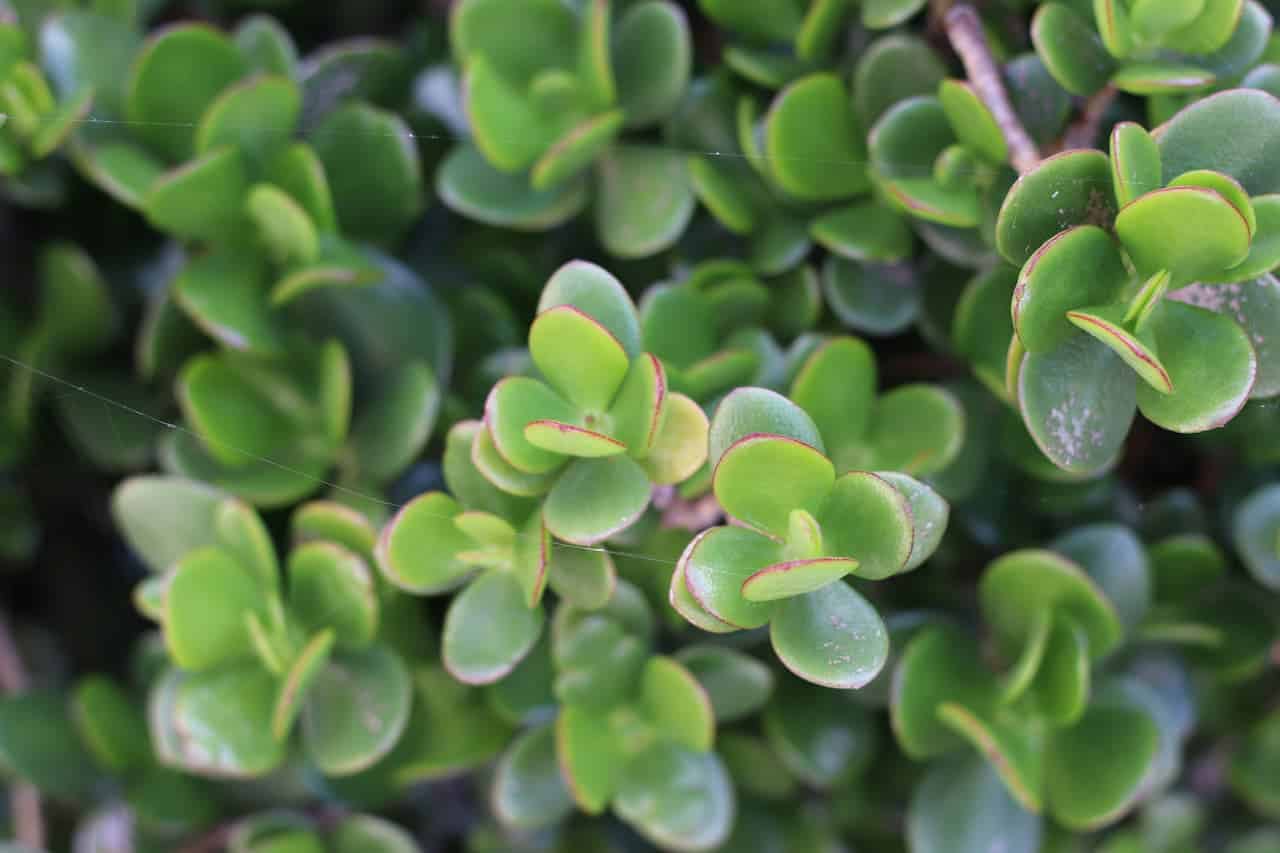
Green roofs and gravel gardens. Sedum is one of the best plants for exposed, dry situations where most other perennials would struggle – green roofs, gravel gardens, raised sleeper beds and wall-top plantings. The low-growing Sedum types (S. acre, S. spurium) are particularly suited to these situations and need virtually no care once established, making them ideal for difficult areas where maintenance access is limited.
Ongoing care
Once established, sedum requires virtually no watering. Its succulent leaves store moisture efficiently, allowing it to sail through dry summers that would stress or kill many other border plants. Do not feed with nitrogen-rich fertiliser – this is one of the few perennials that actively performs better in poor soil. Excessive nitrogen produces lush, weak, floppy growth and can significantly reduce the quality and density of flowering. If stems sprawl despite a sunny position, the soil is too fertile – move the plant to a leaner spot rather than attempting to stake it.
Division every three to four years prevents clumps from becoming congested at the centre and keeps flowering vigorous across the whole plant – congested clumps produce fewer and smaller flower heads and benefit noticeably from being broken up. Lift the clump in spring when new shoots are just appearing at the base. Divide into sections using a sharp spade or two garden forks inserted back-to-back and levered apart, discarding the oldest and woodiest central material which flowers poorly, and replanting only the vigorous outer portions with good root systems. Sedum is straightforward to propagate – stem cuttings of 8-10cm taken in early summer, stripped of lower leaves and inserted into gritty compost, root readily without any specialist treatment, and sections divided from established clumps with a reasonable root system will establish quickly and flower the same season in most cases.
Best varieties
‘Autumn Joy’ – also widely sold under its German synonym ‘Herbstfreude’ – is the classic border sedum and remains the most widely planted in UK gardens by a considerable margin. It produces large, flat flower heads that open bright pink in August, deepen progressively to copper-red through September and October, then persist as russet-brown seed heads into winter. It reaches about 45-60cm in height in most UK garden soils and rarely needs staking when grown in well-drained, lean soil in full sun – the conditions it genuinely prefers. This is the benchmark variety against which all others are measured.
‘Matrona’ offers a distinctly different visual appeal to ‘Autumn Joy’ – deep burgundy stems and glaucous, purple-tinged foliage emerge from the crown in spring and provide genuine ornamental interest throughout the growing season, long before the dusty pink flower heads open in late summer. The colour interest runs for months rather than weeks. ‘Purple Emperor’ takes the dark foliage concept further still, producing very deep, almost chocolate-brown leaves on compact stems of 35-45cm that resist flopping even in moderately fertile soil and suit smaller borders well. Both varieties look particularly effective alongside silver and grey foliage plants such as artemisia or stachys.
Common problems
Sedum is one of the most problem-free perennials in UK gardens, genuinely resistant to most common pests and diseases. The issues that do arise are almost always the direct result of growing conditions rather than anything attacking the plant from outside, which makes them entirely preventable by choosing the right site. Identifying which condition is responsible is usually straightforward and the fixes – relocating to a better site or improving drainage – are permanent solutions rather than repeated treatments.
For maximum wildlife value, sedum pairs exceptionally well with other late-season nectar plants in a dedicated pollinator border. Growing it alongside lavender extends the pollinator season – lavender provides nectar from June and sedum takes over in August, together covering a continuous window from early summer to October. If you are working to create a bee-friendly garden, sedum is one of the essential late-season components – bees rely heavily on it in August and September when many other flowers have finished and they are still building winter stores. The structural seed heads through autumn and winter add further value, providing food for finches and shelter for invertebrates, making sedum one of the most effective plants for supporting garden wildlife year-round rather than just during its flowering season.
Share on socials: