At a glance
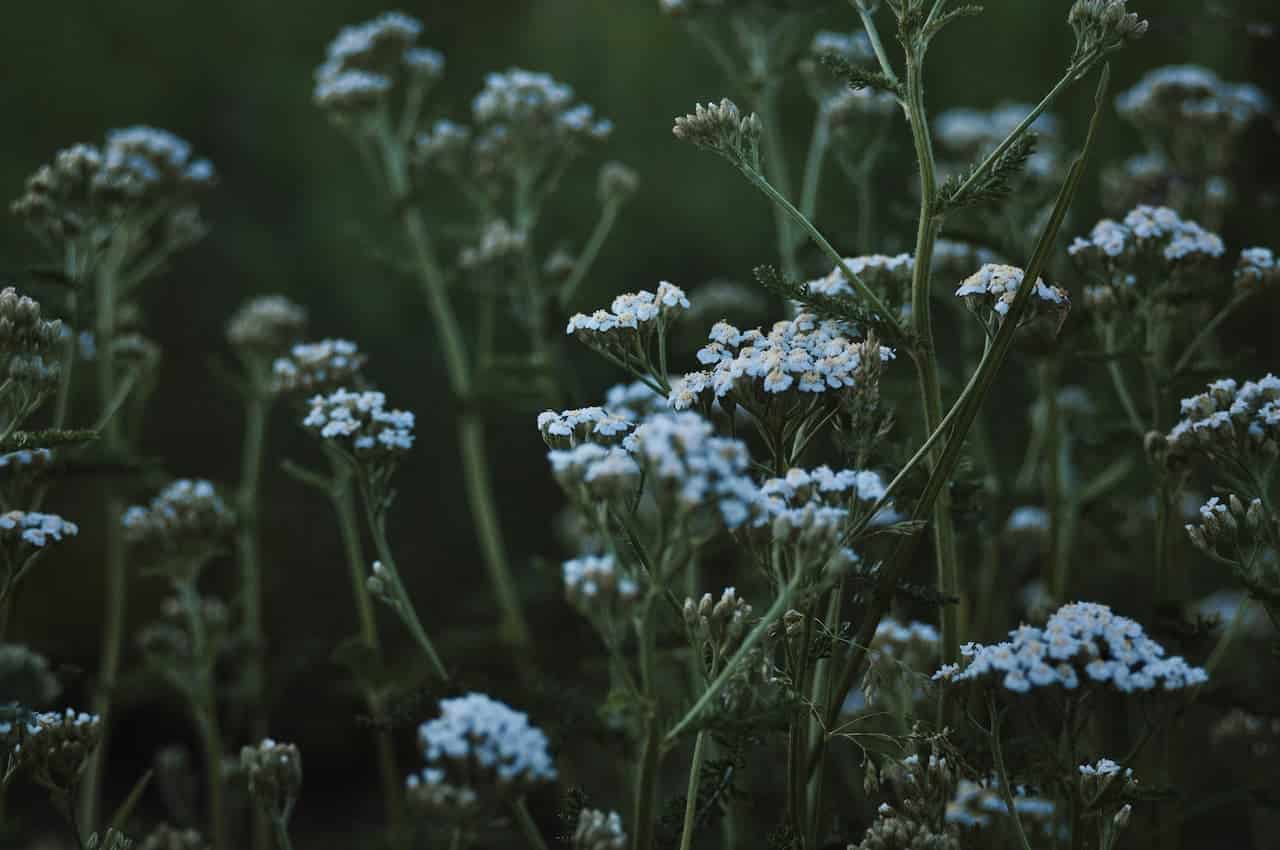
Achillea – yarrow – is one of the most reliable and undemanding perennials in UK gardens. From June to September it carries broad, flat-topped flower heads in yellow, white, pink, red and apricot shades above feathery, aromatic foliage. It flowers for months without deadheading, tolerates drought that would defeat most other border plants, and the dried flower heads persist attractively into autumn, changing from fresh colour to warm russet tones as they age in place on the plant. Few perennials deliver as much ornamental and wildlife value for as long a period with as little ongoing attention required from the gardener.
Achillea is also a genuinely productive wildlife plant. The flat, open flower heads give easy landing access to hoverflies, bees and other beneficial insects that cannot access the deeper, more complex flowers of many other garden plants. This makes achillea one of the most pollinator-accessible plants you can grow in a UK border – particularly valuable for smaller solitary bee species and hoverflies that rely on open, flat flowers they can land and feed on easily, and that visit consistently throughout the long flowering season from June to September. This guide covers everything you need to establish and maintain achillea successfully in UK conditions.
About achillea
Achillea millefolium – common yarrow – is native to the UK and grows wild in grasslands, meadows and roadside verges across the country. The garden cultivars widely available in UK nurseries and garden centres are mostly selected forms or hybrids that improve on the wild type with richer and more varied colours, larger individual flower heads and better compact, non-flopping habits. Despite the exotic appearance of some named cultivars, achillea is tough enough to grow essentially anywhere in the UK, including exposed and difficult sites where many other perennials would fail.
The genus name comes from the Greek hero Achilles, who according to ancient sources used yarrow to staunch and treat the wounds of his soldiers during the Trojan War – the plant does have genuine haemostatic and astringent properties due to active compounds in the leaves, which supports the historical association. The feathery, deeply divided foliage is highly aromatic when brushed or lightly crushed, and is attractive in its own right from early spring onwards, providing ground-level interest and low cover well before the flower stems begin to develop and the blooms open in June. Most garden forms reach 60-90cm in height when in full flower, though some compact varieties stay below 50cm.
Planting achillea
Achillea thrives in full sun and well-drained to dry soil. Like sedum and catmint, it performs noticeably better in lean conditions than in rich, consistently moist soil where it tends to produce lush, tall and floppy growth that needs support. It is one of the best perennials for genuinely difficult dry sites – sunny banks, gravel gardens, coastal gardens exposed to salt wind, and thin soils over chalk or rubble all suit it exceptionally well and produce the most compact, self-supporting plants.
Plant achillea at the same depth it was growing in the nursery pot. Do not add compost or fertiliser to the planting hole – enriching the soil at planting creates exactly the lush, floppy conditions you want to avoid. Water in thoroughly after planting and keep the soil moist for the first few weeks while the roots are establishing. After that, the plant is highly drought tolerant and rarely needs supplementary watering in open ground even during dry summers. Achillea spreads steadily by underground rhizomes, which is worth considering carefully when choosing its position in the border – allow adequate space on all sides, or plan to divide it every two to three years to keep it within its intended boundaries and prevent it encroaching on neighbouring plants.
Dried flower arrangements. Achillea is one of the best perennials for cutting and drying. Harvest the stems when the flower heads are fully open but before they begin to fade. Tie in small loose bunches and hang them upside down in a warm, dry, well-ventilated space such as a shed or porch. The colours hold remarkably well through drying – yellow forms like ‘Coronation Gold’ retain strong colour for several months, making them genuinely useful for long-lasting dried arrangements.
Ongoing care
Achillea needs very little attention once it is established in the right position. It does not require supplementary watering during dry spells once the root system is fully established in open ground – its drought tolerance is genuinely exceptional among commonly grown border perennials and is one of the key reasons it thrives on thin, dry soils where other plants struggle. Feeding is unnecessary and actively counterproductive in lean soils where achillea performs best. Deadheading spent flower heads encourages further blooming through summer and into autumn, but many gardeners prefer to leave the heads to dry in place for their considerable decorative value and to provide seeds for birds over winter.
Cut the stems back to near ground level in late autumn once flowering has fully finished, or leave them until early spring – whichever suits the garden routine. Both timings work well and the choice mainly comes down to whether you want the dried seed heads as winter structure or prefer a tidier border through the cold months. Achillea is fully deciduous, dying back completely in winter and re-emerging strongly from the base in spring. In mild UK winters some basal foliage may persist through to spring; cut back any old, tatty or winter-damaged material before the fresh new growth begins to push through from the crown to keep the plant base looking neat and to prevent old growth shading the emerging shoots.
Division and propagation
Achillea spreads by underground rhizomes and can colonise a considerable area over three to four years if left unchecked. This spreading habit makes division both a regular maintenance task and a very easy way to produce additional plants for other parts of the garden or to give away. Divide every two to three years in spring when the new growth is just beginning to emerge, lifting the whole clump with a garden fork and breaking it apart into sections by hand where possible, or by inserting two forks back-to-back into the root mass and levering them apart for denser clumps. Replant the young, vigorous outer sections at the original spacing and discard the older, woodier central material which will not regenerate as strongly.
Achillea can also be propagated by basal stem cuttings taken in spring or early summer, which is useful when you want to propagate a specific named cultivar without the colour variation that comes from seed. Take 8-10cm cuttings of non-flowering shoots, remove the lower leaves and insert into free-draining gritty compost. They root readily within four to six weeks in a warm, sheltered position. Self-sown seedlings appear around established plants in some gardens, particularly in open, disturbed ground nearby, but named cultivars will not come true to colour from seed and seedlings from them may revert towards the pale pink or white of the wild species – only Achillea millefolium itself breeds consistently true from seed in garden conditions.
Common problems
Achillea is genuinely one of the most problem-free perennials available to UK gardeners, with strong natural resistance to most common pests and diseases. The few issues that do arise are almost entirely preventable by getting the siting right from the outset – the right position eliminates the vast majority of problems before they start.
Best varieties
‘Coronation Gold’ is the most widely grown achillea in UK gardens and the benchmark cultivar. It produces large, deep golden-yellow flower heads on robust stems reaching 60-90cm. It is exceptionally long-flowering, holds its colour well as the heads age on the plant and as they dry in arrangements, and is virtually self-supporting without staking in well-drained, reasonably lean soil. It holds an RHS Award of Garden Merit and is the most reliable starting point for growing achillea.
Achillea combines beautifully with other drought-tolerant, sun-loving perennials in a naturalistic planting scheme. It looks particularly effective alongside lavender, sharing exactly the same preference for lean, well-drained soil and full sun, with the flat achillea heads providing structural contrast to lavender’s upright spikes. In a late-season border, achillea transitions naturally into sedum as summer progresses – the flat-headed achillea flowers give way to the flat-headed sedum from August onwards, maintaining a consistent silhouette through the whole season while the colour shifts gradually from yellow through to dusky pink. For maximum wildlife benefit, combining achillea, sedum and catmint creates a continuous three-season nectar source that is among the best plant combinations for garden wildlife available to UK gardeners.
Share on socials: