At a glance
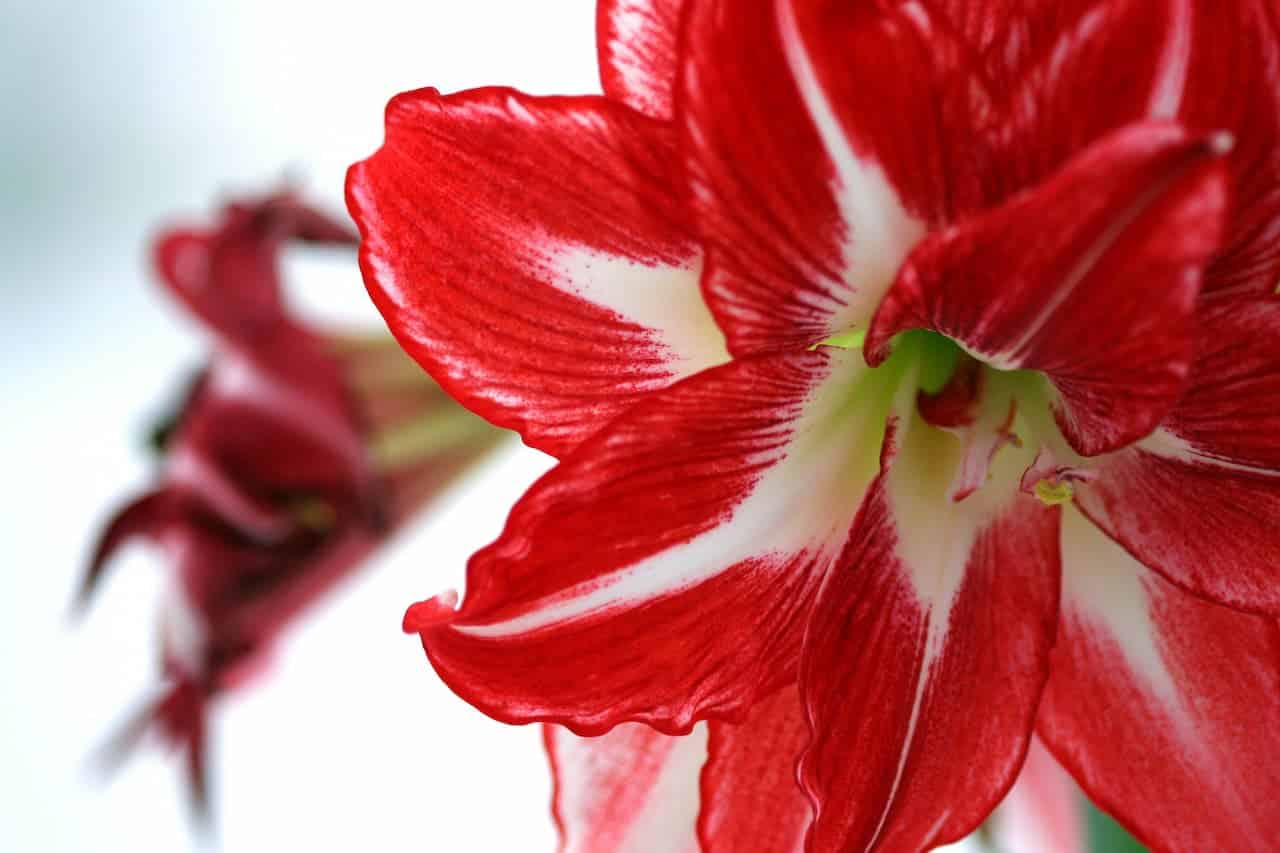
The amaryllis turns up in garden centres in October and sells fast, because the flowers it produces are genuinely spectacular. A single bulb can throw up two or three tall stems, each carrying four trumpet-shaped blooms the size of your fist, in colours that go from deep crimson through salmon, pink, white, and bicolour combinations. The show can run for weeks if you treat it right. What most people do not know is that the same bulb, with the right care across the following twelve months, will do it again. And again the year after. Properly kept amaryllis bulbs outlast most of the furniture in the house.
The correct name is Hippeastrum. It is native to tropical South and Central America, not South Africa as is sometimes said. Knowing where it comes from explains a lot: nine months of heat and moisture, then a dry spell when the plant shuts down, then warmth again to kick off the flowers. Indoors in the UK you replicate that cycle by hand. The mechanics are not complicated. The bit that defeats most people is the summer, when the plant looks like a pot of strappy leaves on a windowsill and not much seems to be happening. That period is everything. Skip it, and the bulb has nothing to flower with in December.
Choosing a bulb worth growing
When you are standing in front of a box of amaryllis bulbs in September, the one that matters most is the biggest one. A good-sized bulb carries enough stored energy for two or three flower stalks in succession. A small bulb may manage one thin stalk, or struggle to flower at all. The difference in what you get at Christmas is not marginal.
A healthy bulb feels firm and solid with no soft patches. Turn it over: the flat base where the roots emerge should be solid and clean, not crumbly or soft at the edges. Any softness around the base or middle of the bulb means rot has started, and that bulb will struggle. The outer papery skin can look tatty without being a problem, but the bulb underneath should not give when you press it.
After a few years you will notice small offsets pushing from the base of a well-kept bulb, sometimes called bulblets. These are new plants starting. You can pot them separately, though they take a couple of years to reach flowering size. If you leave them attached the clump gradually fills the pot, and once it becomes too congested, flowering drops off. The point to sort this out is when you repot the main bulb.
The waxed amaryllis bulbs that appear in supermarkets and gift shops every December need no soil or water: the coating contains enough moisture and nutrients for one flowering. After they bloom, you can cut away the wax carefully, plant the bulb in compost, and try to grow it on. The success rate is lower than with a normally grown bulb, but it works often enough to be worth the attempt rather than just putting it in the bin.
The varieties most consistently on the shelf and what to expect from each:
Bulbs start appearing in the shops in October and the best ones go fast. Online gives more variety; garden centres let you judge the size in person. Any of the varieties above will rebloom given proper care.
Getting the planting right: pot, compost, and depth
Amaryllis like to be pot-bound. The right pot has roughly two to three centimetres of space between the bulb and the pot wall. No more. A pot that is too large holds excess moisture around the roots and makes the bulb work harder to flower. Terracotta is a good choice because it helps prevent waterlogging, but anything with drainage holes works. The pot needs to be deep enough to take the roots, which can be surprisingly substantial on a well-grown bulb. Thirty centimetres deep is a reasonable minimum.
Before you plant, rest the base of the bulb on the rim of a jar so the dry roots dangle into tepid water for a few hours. Not the bulb itself, just the roots. This rehydrates them after the dry storage period and gets things moving faster once planted.
The compost needs to drain well: John Innes No. 2, cactus compost, or multipurpose mixed with perlite all work. The bulb is sitting in that compost all winter, and wet conditions around the base will rot it. Fill the pot partway, place the bulb, and firm the compost so that the top third of the bulb sits above the surface. That exposed upper section reduces the risk of the neck rotting. It also looks good, which is not nothing when the pot is sitting in the middle of a room.
The planting steps in order:
Timing for Christmas. Plant mid to late September for flowers in December. Count back eight weeks from the date you want flowers: that is your planting date. Warmer rooms push development faster; cooler rooms slow it down. A second batch planted a week later extends the display if the first goes over before Christmas Day.
Caring for the plant while it flowers
For bulbs planted in September, the first flowers typically open somewhere in December. Each stalk carries four blooms that open in succession, so the display runs considerably longer than the first flower suggests. As each individual flower fades, pinch or cut it off but leave the stalk. Removing the spent flowers lets the remaining buds open without the dead tissue hanging there, and it stops seed development from drawing energy away from the bulb. Once every flower on a stalk is spent, cut the whole stalk down to within a few centimetres of the bulb nose. Do not pull it, which can disturb the bulb. Cut it.
Leave the leaves alone. By the time the flowers are fading, the strap-like leaves are usually well established. Those leaves are doing the job that matters most right now: making food and storing it back into the bulb for next year. The plant looks like it is just sitting there, but the leaves are busier than the flowers were.
Keep the compost consistently moist but not wet. A pot sitting in a saucer of standing water will rot the base of the bulb. Water from above, let it drain through, then empty the saucer. Feed with a liquid fertiliser twice a month while the plant is in flower. Bright indirect light suits the flowers better than direct sun, which fades the colour and shortens the display. A position back from the window rather than right on the glass keeps the blooms going longer and reduces the risk of the stems stretching toward the light.
What determines how long the flowers last:
Keep it below 21 degrees while in bloom
Heat accelerates every stage of flowering. A warm room shortens the display from three weeks to ten days. A cooler spot, even the hallway, noticeably extends it.
Bright indirect light, not direct sun
Direct sun bleaches the colour and shortens the individual flower life. Set it back from the window rather than right on the glass. Rotate the pot regularly so stems grow straight rather than leaning.
Never let the pot sit in standing water
The saucer collects drainage water. Empty it after watering. The base of the bulb in contact with standing water is the most reliable way to cause rot.
Remove spent individual flowers but leave the stalk
Cut or pinch off each flower as it fades. This prevents seed development and keeps the remaining buds opening cleanly. Once the whole stalk is done, cut it to within a few centimetres of the bulb; never pull it.
From January to December: the full reblooming cycle
The period from when the flowers go over until the following December is where the reblooming happens or does not happen. Most bulbs that fail to rebloom did not fail in September or October. They failed in June, when the leaves were left to dry out on a hot windowsill, or in August, when the dormancy was skipped entirely. Getting the summer right is the whole thing.
Once the last flower is gone and the leaves are growing well, keep the plant in the brightest spot available indoors and water regularly. Feed monthly with a houseplant liquid fertiliser. The aim from January to May is to give the leaves every opportunity to make and store energy. Light is the key variable here. In January and February in the UK, light levels are poor, and a grow light will genuinely help. In March and April it starts to become less of an issue.
After the last frost, usually late May in most parts of the UK, move the pot outside to a bright, sheltered spot. A south or west-facing wall or patio is ideal. This is the single most useful thing you can do for an amaryllis. Natural outdoor light and the temperature fluctuation between day and night accelerates the bulb-building process in a way that indoor windowsills simply cannot match. Keep watering regularly, and be watchful in hot weather: the compost in a pot dries out faster outdoors than in, and a large bulb filling most of the pot leaves very little compost to hold moisture. A bulb allowed to dry out completely in July will enter dormancy early and the following Christmas display will suffer for it.
Through July the leaves may start to yellow naturally. This is the beginning of dormancy and is what you want. Let it happen. Reduce watering as the leaves die back. By August, bring the pot back inside and move it to a cool location, somewhere around 10 to 13 degrees. A cool spare room, an unheated conservatory, or a garage that does not get too cold all work. Stop watering entirely. Let the remaining leaves die. Once they are fully dead and dry, cut them back to about five centimetres above the bulb neck and move the pot somewhere dark. This is dormancy. The bulb needs eight to ten weeks of this: cool, dark, and completely dry.
In mid-September to October, bring the pot back into warmth and light and begin watering again. This is the trigger that starts the next flowering cycle. If the bulb has been in the same pot for four or more years, now is the moment to repot into fresh compost using the same snug pot principle described above. Soak the roots overnight before repotting. Once back in a warm bright spot with watering resumed, expect the first shoot within a few weeks and flowers six to eight weeks after that. The same bulb, going again for another year.
The full cycle at a glance:
Do not let the bulb dry out in July. Hot weather dries the compost in a pot much faster than you expect, and an amaryllis filling most of its pot has almost no buffer. A bulb that runs completely dry in mid-summer enters dormancy early and the following December display will be noticeably weaker or absent. In hot spells, check daily and water before it gets there.
What goes wrong and what it usually means
The most common failure is a bulb that produces leaves but no flower. The usual explanation is that the bulb did not get a long enough period of genuine dormancy, or the growing season was too poorly lit for the leaves to build sufficient reserves. A bulb that spent summer on a north-facing windowsill without being moved outside is a bulb that probably has not stored enough energy to flower. The other common cause is overwatering in the autumn: a bulb that sat in wet compost through September and October may have lost root function quietly, and the leaves that appear are the plant running on stored energy with no replenishment coming.
Floppy or leaning stems are almost always a light and temperature issue. The stem grows toward the light source and the hollow structure has very little lateral strength. Stake it, then address the light by moving the pot to a brighter spot and rotating it regularly. Temperatures much above 21 degrees during flowering also produce lax stems, so a cooler room extends the display and keeps the plant more upright.
A soft, mushy base on the bulb is rot. If it is just beginning and confined to a small area on the outer surface, you can sometimes cut out the soft section with a clean knife, dust the cut with garden sulphur or cinnamon to dry it, and repot into dry compost. If the rot has reached the centre of the bulb, it is lost. Either way, examine how the pot was being watered: standing in water, no drainage holes, or compost that holds too much moisture are the usual culprits.
Yellow streaking on the leaves combined with stunted, malformed growth is mosaic virus. There is no treatment. Remove the bulb and do not compost it. Buy a replacement from a different source, and wash the pot thoroughly before reusing it.
Bulb scale mite damage shows as red-brown scarring at the base of the leaves and distorted growth at the growing tip. The mites are too small to see without magnification. Severe infestations usually mean the bulb is too damaged to recover. For mild cases, a hot water treatment, submerging the cleaned bulb in water held at 44 degrees for one to two hours, can kill the mites, though this requires precise temperature control and the roots need to be removed first as they are killed by the process. Prevention is more practical than cure: only buy firm, healthy bulbs from reputable sources and inspect carefully before purchase.
The problems, their usual causes, and what to do:
Share on socials: