At a glance
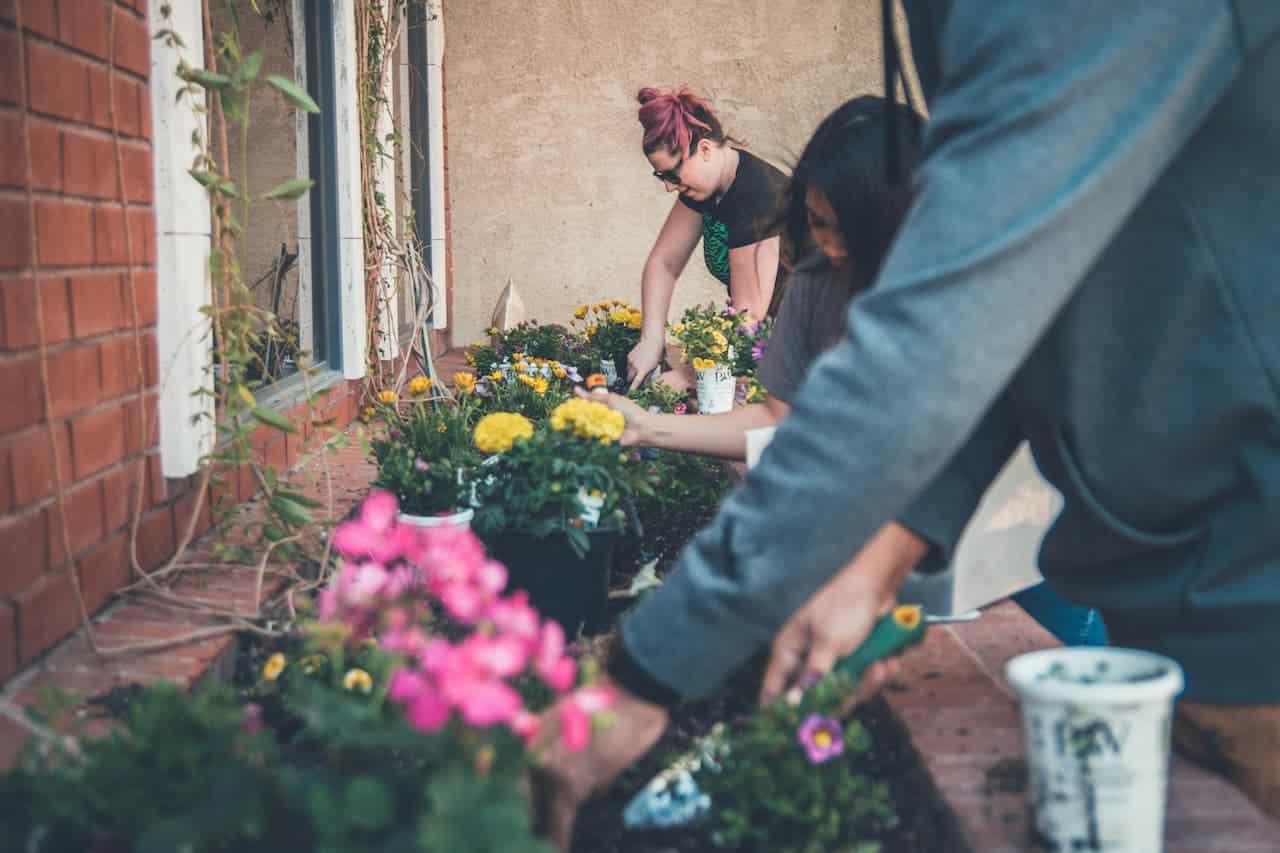
Community gardens are one of the most impactful ways to transform unused urban land into productive, social space. A neglected corner of a park, a strip of council-owned scrub or an abandoned allotment site can become a space that grows food, builds relationships between neighbours, provides volunteering opportunities and creates a visible green asset in the community. The growth in community growing projects in the UK over the past decade has been significant – driven partly by increased interest in food growing, partly by local authority willingness to license unused land for community use, and partly by improved access to small grants for community groups. The COVID-19 pandemic accelerated this trend further, with many communities that had started informal growing projects during lockdown going on to formalise them into permanent community gardens.
Setting up a community garden is achievable for most motivated groups, but it requires patience, persistence and a clear understanding of the legal and practical steps involved. The process typically takes between 6 and 18 months from initial idea to the first growing season, and the most common reasons for failure are insufficient group commitment before the site is secured, underestimating the legal and insurance requirements, and starting with too ambitious a site for the volunteer capacity available. Getting these fundamentals right at the beginning determines whether a community garden becomes a thriving long-term asset or a project that quietly fades out after the initial enthusiasm passes. The projects that succeed over the long term are almost always characterised by a strong core group of 5-8 people who share the administrative load, a realistic site matched to the available volunteer hours, and a willingness to start small and expand gradually rather than trying to transform a large site in the first season.
Types of Community Garden
Setup Timeline – Phase by Phase
A temporary licence agreement is better than no agreement. Many community gardens begin with nothing more than a temporary licence to use land for a fixed period – sometimes as short as one year. This is a valid starting point. Temporary licences can be renewed and often convert to longer leases once the landowner can see the project is well-managed and the community benefit is real. Do not wait for a long lease before starting – start with what you can get and build the track record that leads to security.
Key Setup Tips
The most common mistake is to identify a site before establishing a committed group. Sites fall through – landowners change their minds, planning issues arise, lease negotiations collapse. A strong, committed group of people will find a site and recover from setbacks. A site without committed people behind it will fail the moment the first obstacle appears. Build your community first.
Public liability insurance is the single non-negotiable requirement before any volunteer sets foot on a site. Most insurers offer community garden group policies from around £150-300 per year. Organisations like Hiscox, Zurich and specialist community group insurers cover volunteer activities and third-party liability. Without it, a landowner will not grant access and any accident creates personal liability for organisers.
The National Lottery Community Fund’s Awards for All programme offers grants of £300-10,000 for qualifying community projects in England, Scotland and Wales. Local authority community grant schemes, parish councils and community foundations are also worth approaching. Grant applications take time to process – start applying as soon as the group is constituted and has a bank account, not when you have run out of money. Successful early grants also demonstrate credibility for larger subsequent applications.
Record volunteer hours, number of participants, produce grown and donated, events held and any social outcomes – wellbeing improvements, new friendships, reduced isolation. This data is what funders want to see in future grant applications and what local authorities want to see when lease renewals come up. A simple monthly log in a shared spreadsheet takes five minutes and is worth far more than the time invested when it comes to demonstrating community impact.
Common Questions Answered
For a basic community garden with raised beds, paths and a small shed, planning permission is unlikely to be required under permitted development rules. However, if the site is in a conservation area, involves significant earthworks, or if the land has a specific use designation that excludes community gardens, you may need to check with the local planning authority before proceeding. The landowner will usually be able to advise on this.
For most small community gardens, an unincorporated association with a written constitution is the simplest and quickest starting point. This allows you to open a bank account, apply for most small grants and have a formal governing structure. If the project grows significantly or employs staff, converting to a Charitable Incorporated Organisation or Community Interest Company offers more protection and access to larger funding streams. The Charity Commission and Companies House websites both have free guidance.
Structured regular sessions (a fixed weekly or fortnightly volunteer morning) work better than ad-hoc calls for help. Social elements matter – tea, conversation and a visible sense of progress keep people coming back more effectively than appeals to duty. Giving volunteers specific roles and responsibilities – rather than just asking them to follow instructions – builds a sense of ownership. Celebrating harvests, hosting seasonal events and sharing produce with the wider community creates positive momentum that sustains engagement through quieter periods.
Consider approaching schools, churches, hospitals and care homes with underused outdoor space – these organisations often welcome a community growing project that brings volunteers, activities and fresh produce onto their land. Temporary sites on land awaiting development (meanwhile use) are increasingly facilitated by local authorities as a way to activate unused urban sites while planning applications progress. The Landshare website also connects landowners with growers looking for growing space.
Share on socials: